


























































US Stock Market Today: Nasdaq Falls 2.6% as AI Stocks Slide
The US stock market ended Thursday, October 22, with sharp losses in technology shares as renewed concerns about artificial intelligence spending and rising oil prices unsettled investors. The Nasdaq Composite dropped 2.6%, while the S&P 500 fell 1.2%. The Dow Jones Industrial Average edged slightly higher, showing how weakness in technology stocks affected the broader market.

US Stock Market Today: Nasdaq Falls 2.6% as AI Stocks Slide
The US stock market closed sharply lower on Thursday, October 22, as technology shares came under heavy selling pressure amid renewed concerns about the cost and profitability of artificial intelligence investments. The Nasdaq Composite suffered the biggest decline among the major indexes, while the S&P 500 also recorded a substantial loss. The Dow Jones Industrial Average finished nearly flat.
The latest market update for Friday, October 23, reflects Thursday's closing figures. US markets have not yet opened for Friday's trading session at the time of this report.
US Stock Market Closing Prices
The major US stock indexes finished Thursday with mixed results.
- Nasdaq Composite: Fell 2.6% to 26,008.86.
- S&P 500: Dropped approximately 1.2% to 7,663.43.
- Dow Jones Industrial Average: Rose 11.89 points to 52,867.98, a gain of less than 0.1%.
- Russell 2000: Advanced approximately 0.1% to 2,784.03.
The sharp contrast between the Nasdaq and the Dow highlights the pressure on technology companies. While major tech stocks pulled the Nasdaq lower, gains elsewhere in the market helped the Dow and Russell 2000 remain relatively stable.
The S&P 500 also recorded its worst daily performance since July, according to the Associated Press.
Why Are US Stocks Falling?
AI Spending Concerns Weigh on Technology Shares
Artificial intelligence remains one of the biggest investment themes on Wall Street, but investors are increasingly focused on whether the enormous spending required to develop AI products and infrastructure will generate sufficient returns.
Technology companies are investing heavily in computing infrastructure, data centers, advanced chips and AI development. Those investments can support future growth, but they also increase near-term costs and capital requirements.
Recent corporate results have renewed questions about how quickly these investments will translate into profits and cash flow. When investors become less confident about future returns, highly valued technology stocks can face significant selling pressure.
Reuters reported that the latest selloff particularly affected semiconductor shares, with the Philadelphia Semiconductor Index falling 6.7% on Thursday.
Meta and Tesla Put AI Investment Under Scrutiny
Investors also reacted to developments involving major technology companies, including Meta Platforms and Tesla.
Meta's latest financial results highlighted the substantial financial demands associated with its AI ambitions. Despite strong revenue growth, investors remained concerned about the cost of developing AI infrastructure and funding future expansion.
Tesla also drew attention after reporting lower capital expenditure plans for 2026 than some investors had expected. The change contributed to questions about the pace and scale of future investment in AI and robotics.
These developments do not establish that the AI industry is losing its long-term growth potential. Instead, they illustrate a shift in investor expectations: companies may increasingly need to demonstrate measurable financial returns alongside announcements of ambitious AI projects.
Semiconductor Stocks Face Heavy Selling
Chipmakers were among the hardest-hit areas of the market during Thursday's session.
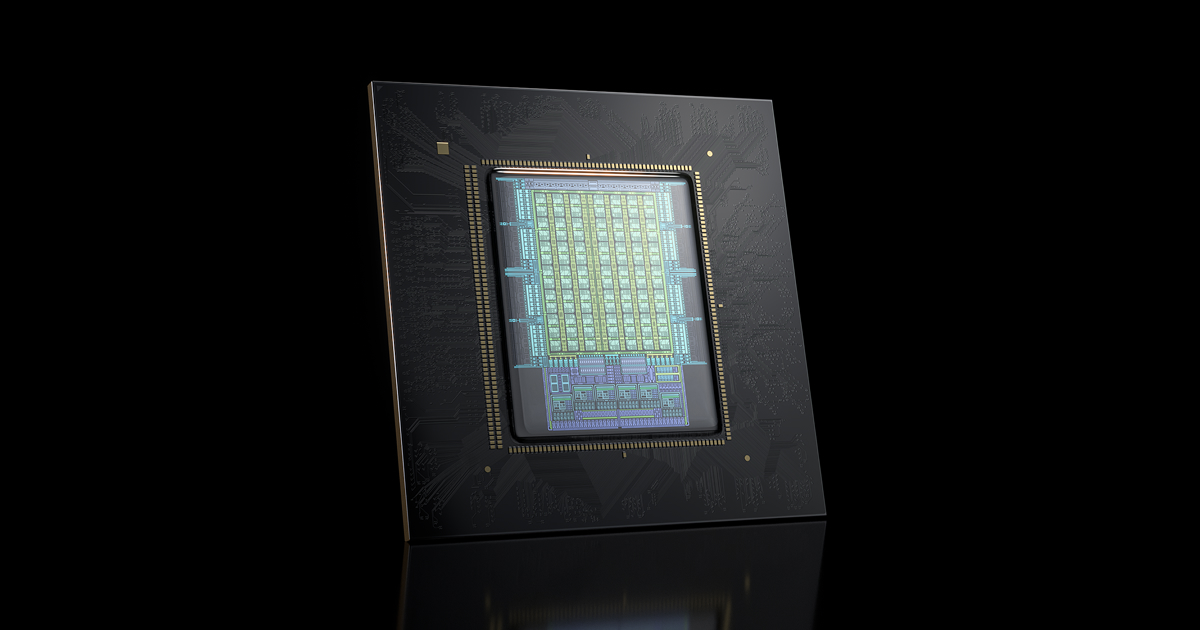
Semiconductors are essential to AI systems, from the processors used to train large models to the chips that power data centers and other computing infrastructure. As a result, semiconductor companies have attracted significant investor attention during the AI investment boom.
However, the same connection can make these stocks vulnerable when confidence in AI spending weakens. If investors begin to question future demand, expected earnings growth or the financial returns from AI infrastructure, semiconductor shares can experience sharp price movements.
Thursday's decline suggests that investors were reassessing the outlook for parts of the technology sector rather than simply reacting to one isolated company announcement.
Rising Oil Prices Add to Market Uncertainty
Energy prices provided another source of concern for investors.
Oil prices climbed amid escalating geopolitical tensions in the Middle East, raising questions about potential effects on energy supplies and inflation. Higher oil prices can increase transportation and manufacturing costs, putting pressure on businesses and household budgets.
If energy prices remain elevated, inflation could prove more difficult to control. That may complicate the outlook for US interest rates and increase uncertainty around corporate borrowing costs and future economic growth.
Treasury yields declined as investors moved toward the relative safety of government bonds. Such movements can indicate greater caution, although falling yields alone do not establish the direction of the next stock market session.
What Investors Should Watch on October 23
Several developments could influence the next US stock market session.
Corporate earnings: Investors will continue examining company results for evidence that AI investments are generating sustainable revenue, cash flow and profits.
Technology and semiconductor shares: Further movements in major chipmakers and large technology companies could have an outsized effect on the Nasdaq and S&P 500.
Oil prices and geopolitical developments: Any further escalation affecting energy supplies could influence inflation expectations and overall market sentiment.
Interest rates and Treasury yields: Changes in bond yields may affect stock valuations, particularly for companies whose market prices depend heavily on expected future growth.
Market breadth: Investors may also look beyond the headline indexes to see whether selling remains concentrated in technology stocks or spreads to other sectors.
These factors provide a useful framework for understanding market movements, but they do not guarantee whether stocks will rise or fall in the next session.
US Stock Market Outlook: What Comes Next?
Thursday's selloff demonstrates how quickly sentiment can change when investors reassess the financial expectations surrounding popular technology themes. The long-term development of AI continues to attract substantial investment, but companies must also convince the market that their spending can produce sustainable economic benefits.
The Nasdaq's 2.6% decline was particularly significant because of its concentration of technology and growth-oriented companies. Meanwhile, the Dow's modest gain suggests that the day's weakness was not equally distributed across all major US stocks.
For investors following the market on Friday, October 23, the key question is whether technology shares stabilize or whether concerns about AI spending, energy prices and inflation continue to influence trading.
The next session's direction remains uncertain. Investors should distinguish confirmed market data from forecasts and avoid treating a single day's decline as proof of a lasting market trend.
Sources
- Associated Press — How major US stock indexes fared Thursday, October 22, 2026
- Reuters — S&P 500, Nasdaq end sharply lower as revived AI doubts ignite tech selloff
- The Wall Street Journal — What's Moving Markets Today?
What's Your Reaction?
 Like
0
 Dislike
0
 Love
0
 Funny
0
 Angry
0
 Sad
0
 Wow
0