























iPhone Duo Hands-On Review: Apple’s First Foldable Is Finally Here — But Is It Worth $1,999?
Apple has finally entered the foldable smartphone market with the iPhone Duo, bringing a 7.6-inch folding display, A20 Pro chip, dual 48MP cameras and a redesigned iOS 27 experience. Starting at $1,999, it is one of Apple’s most expensive iPhones ever. Early hands-on impressions praise its hinge, display and software polish, while its 254-gram weight, lack of a dedicated telephoto camera and extremely high price raise some important questions.

Apple Finally Has a Foldable iPhone
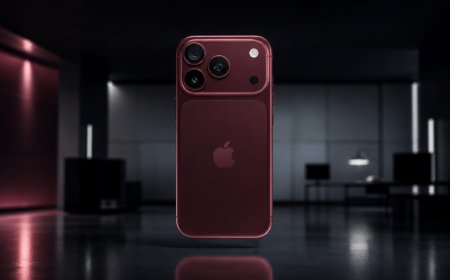
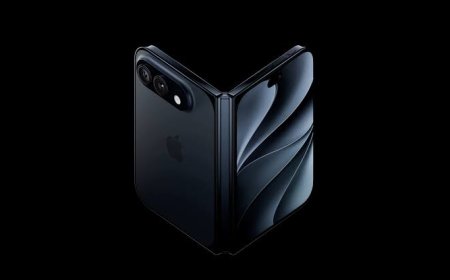
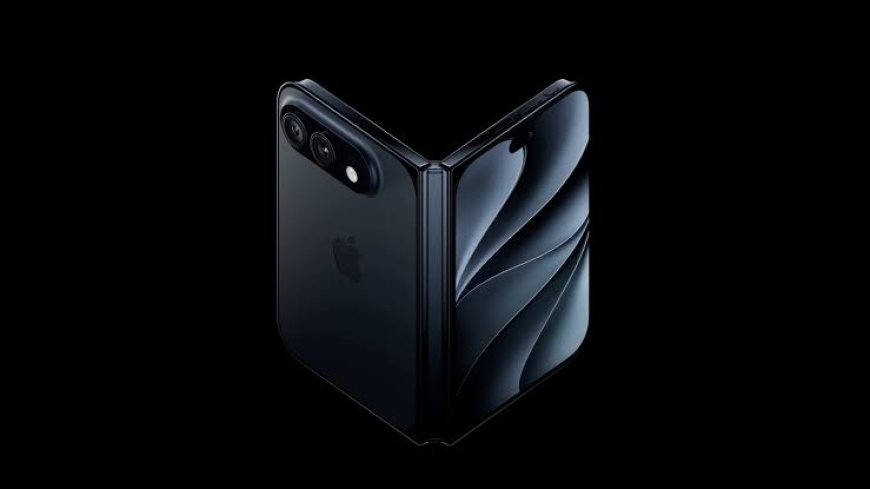
For years, Apple watched Samsung, Google and other smartphone makers experiment with foldable phones while iPhone users waited for the company to make its own move. That wait is now over. Apple has officially introduced the iPhone Duo, its first foldable iPhone, and the company has taken a noticeably different approach from simply making a larger iPhone that folds in half.
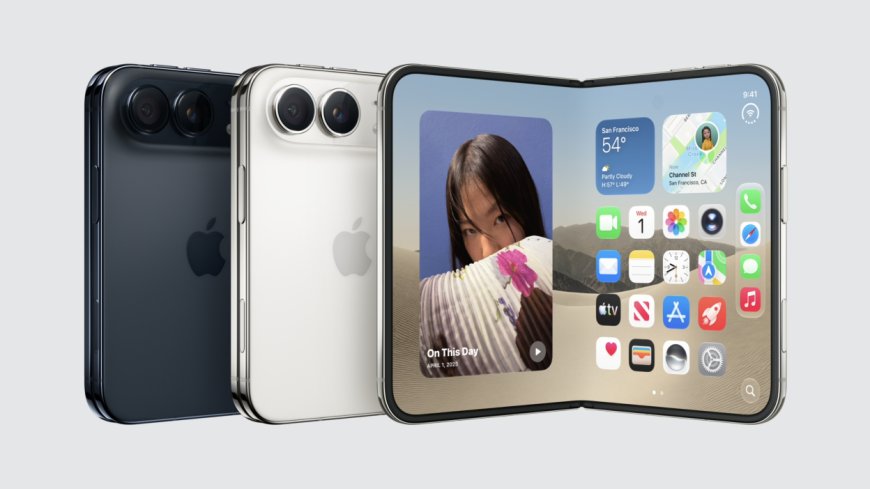
The Duo opens into a 7.6-inch Super Retina XDR OLED display and closes into a compact 5.4-inch outer display. Both screens support ProMotion up to 120Hz, Always-On functionality and up to 3,000 nits of outdoor peak brightness. The inner screen also gets a special nano-texture finish designed to reduce glare and make the physical crease much less distracting. Apple says the inner display is 50% larger than the iPhone 18 Pro Max.
And this is where the Duo starts to feel different. Early hands-on reviewers repeatedly mention that the crease is still physically there, but it is surprisingly difficult to notice during normal use. The nano-texture surface and Apple's hinge design appear to work together particularly well. Tom's Guide described the transition between phone and tablet as remarkably seamless, while other hands-on reports have praised the smooth, stable hinge.
iPhone Duo Specifications
| Feature | iPhone Duo |
|---|---|
| Inner display | 7.6-inch Super Retina XDR OLED |
| Outer display | 5.4-inch Super Retina XDR OLED |
| Refresh rate | ProMotion, up to 120Hz |
| Processor | Apple A20 Pro |
| RAM | 12GB |
| Storage | 256GB / 512GB / 1TB / 2TB |
| Rear cameras | 48MP Fusion Main + 48MP Fusion Ultra Wide |
| Front cameras | 12MP Center Stage outer + under-display inner camera |
| Video | Up to 4K Dolby Vision at 120fps |
| Battery | Dual-battery architecture |
| Video playback | Up to 44 hours outer / 31 hours inner |
| Charging | Up to 50% in around 20 minutes with 60W+ wired charging |
| Connectivity | Wi-Fi 7, Bluetooth 6, Thread |
| Security | Touch ID in side button |
| Stylus | Apple Pencil USB-C support coming later |
| Water resistance | IP68 |
| Weight | 254g |
| Thickness | 5.2mm open / 11.3mm closed |
| Colors | Night Sky, Star White |
| Operating system | iOS 27.1 |
| Starting price | $1,999 |
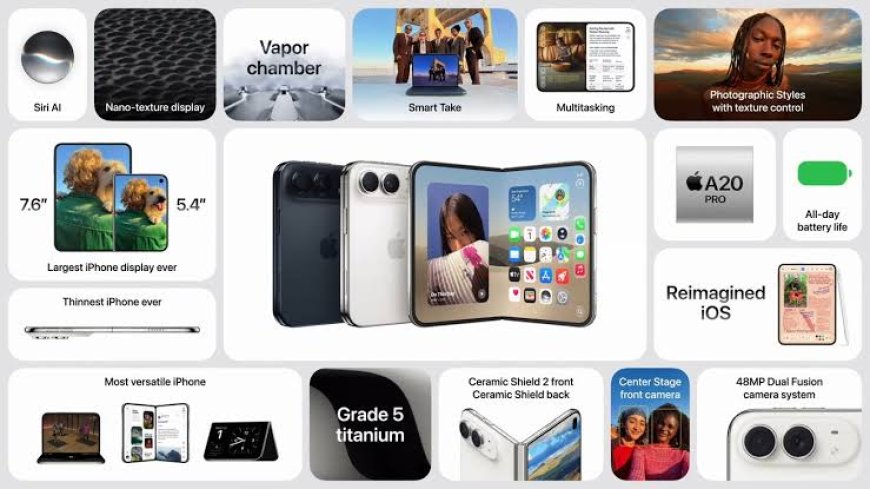
Apple's official specifications confirm the 7.6-inch/5.4-inch displays, titanium foldable construction, A20 Pro processor, dual-battery design, 254g weight and up to 2TB storage.
The $1,999 Price Is the First Big Shock
There is no way around it: the iPhone Duo is expensive.
Apple's U.S. starting price is $1,999 for 256GB. The 512GB model costs $2,199, 1TB costs $2,599, and the enormous 2TB version reaches $3,199. Pre-orders begin October 16, with availability scheduled for October 23, 2026.
That price puts the Duo firmly into premium foldable territory. But it also changes the question potential buyers have to ask. This isn't simply an iPhone upgrade. You're paying for an entirely different form factor — essentially a phone and small tablet experience combined into one device.
For someone who already carries an iPhone and an iPad mini, the Duo could potentially replace both. But that depends heavily on how much the user actually benefits from having the large folding screen. Early hands-on reviewers have made essentially the same point: foldables make the most sense when you have a reason to regularly use the big inner display.
A20 Pro Turns the Duo Into a Serious Performance Machine
Inside the Duo is Apple's A20 Pro, the same generation of chip used in the iPhone 18 Pro models. Apple says the chip uses a 2nm process, a 6-core CPU and 7-core GPU, while the new dual 16-core Neural Engine is designed for demanding on-device AI workloads.
The interesting part isn't just peak performance. Apple has added a custom vapor chamber thermal system specifically for the foldable design. Apple claims the Duo can deliver up to 35% better sustained performance than the iPhone 17 Pro, which should matter when running demanding games, multitasking across the large display or performing AI workloads for longer periods.
That makes the Duo more than a novelty foldable. On paper, Apple has built it as a genuine flagship rather than a first-generation experiment that sacrifices performance to achieve the folding design.
The Camera System Is Powerful — But There Is One Big Missing Piece
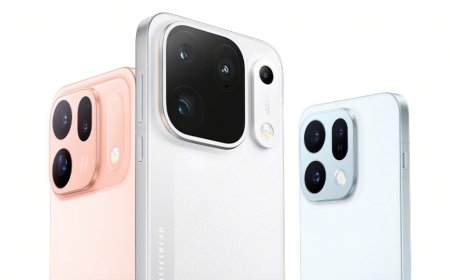
The rear camera system consists of two 48MP Fusion cameras: a Main camera and an Ultra Wide. Apple has added features specifically designed around the folding form factor, including Duo Preview, Smart Take and Duo FaceTime. Video recording goes as high as 4K Dolby Vision at 120fps with the main Fusion camera.
But there is a notable compromise: there is no dedicated telephoto camera.
Apple instead offers up to 2x optical-quality zoom, while the high-resolution main sensor can provide additional digital zoom. That may be perfectly adequate for everyday photography, but people who expect the camera flexibility of Apple's Pro models will notice the difference. Early hands-on reviews have specifically identified the absence of a dedicated telephoto as one of the Duo's compromises.
So the Duo's camera story is interesting: it isn't trying to be Apple's ultimate camera phone. Instead, Apple appears to be prioritizing the foldable experience and clever ways of using the cameras with two screens.
The Battery Story Looks Surprisingly Strong
Foldables traditionally have a difficult battery problem because manufacturers are trying to power multiple displays while keeping the device thin. Apple has responded with a dual-battery architecture.
According to Apple's specifications, the Duo can deliver up to 44 hours of video playback using the outer display and up to 31 hours using the inner display. Wired charging can reach 50% in around 20 minutes when paired with a 60W-capable adapter or higher.
Those figures are Apple laboratory claims rather than a replacement for long-term real-world testing, so the real battery experience will need to wait until the phone reaches customers. Still, the early specifications suggest Apple has taken battery life seriously rather than treating it as an unavoidable sacrifice of the foldable design.
What It Actually Feels Like in the Hand
This might be the most interesting part of the early reviews.
The Duo weighs 254 grams and measures just 5.2mm thick when open, increasing to 11.3mm when closed. That makes it a substantial device. Some reviewers describe the weight as reassuring and solid rather than flimsy, while others point out that it is not particularly light for a modern foldable.
The inner display seems to be the real star. The matte nano-texture surface reduces reflections, which could be particularly useful when reading, browsing documents or working with spreadsheets. Several hands-on reports also note that the display feels remarkably flat despite being a folding panel.
The hinge is another area where Apple appears to have spent considerable engineering effort. Early testers describe the movement as smooth and stable, while the crease is visible under certain conditions but much less distracting during ordinary use. Of course, a few minutes with a demonstration unit cannot tell us how that hinge and display will behave after years of folding.
iOS 27 Is What Could Make or Break the Duo
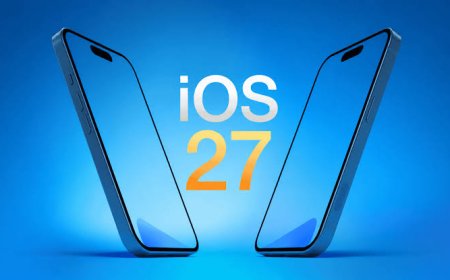
Hardware alone doesn't explain the iPhone Duo. Apple has redesigned parts of iOS 27 around the folding form factor, allowing apps and content to move naturally between the outer and inner displays.
The large screen supports Split View, allowing two apps to appear side by side. The Duo can also stand at different angles for FaceTime or video viewing, while StandBy can use the larger display as a clock, photo frame or information panel. Apple Pencil USB-C support is also coming later this year.
This is where Apple's traditional strength — hardware and software working together — becomes important. Samsung's foldables have had years to develop sophisticated multitasking, so Apple isn't entering an empty field. But early hands-on reports suggest iOS 27 feels unusually polished on the Duo, with the software adapting smoothly as the device changes position and orientation.
The Good and the Not-So-Good
What's impressive: the 7.6-inch display is enormous for an iPhone, the nano-texture finish makes the crease less distracting, the hinge feels refined, A20 Pro provides serious performance, and iOS 27 makes good use of the folding form factor. The 254-gram construction also gives the phone a solid, premium feel according to early hands-on reports.
What's less impressive: $1,999 is a huge starting price, the phone is heavy, there is no dedicated telephoto camera, and long-term durability remains an unanswered question because real-world ownership has barely begun. There is also the simple question of whether someone actually needs a phone that transforms into a mini-tablet.
Final Hands-On Verdict
The iPhone Duo doesn't feel like Apple simply arriving late to the foldable-phone party. The company has clearly spent years watching the category develop and has tried to enter with a product that feels mature from the beginning. The hinge, nano-texture display and iOS 27 experience are the parts that stand out most strongly in early hands-on testing.
But the Duo is not automatically the perfect iPhone for everyone. $1,999 is a serious amount of money, and buyers are accepting compromises in weight and camera versatility in exchange for that spectacular 7.6-inch folding screen.
The most honest conclusion at this stage is that the iPhone Duo looks like a fascinating first-generation Apple foldable, but the real test hasn't happened yet. Once customers have carried it every day, folded it hundreds or thousands of times, tested the cameras properly and pushed the battery through normal life, we'll know whether Apple's first foldable is simply impressive — or genuinely changes what people expect from an iPhone.
What's Your Reaction?
 Like
0
Like
0
 Dislike
0
Dislike
0
 Love
0
Love
0
 Funny
0
Funny
0
 Angry
0
Angry
0
 Sad
0
Sad
0
 Wow
0
Wow
0