












































China Extends Pause on US Gallium, Germanium and Antimony Export Ban to January 27, 2027
China has extended by two months the suspension of its US-bound export ban on gallium, germanium, antimony and superhard dual-use materials, its commerce ministry said on Tuesday, pushing the deadline from November 27, 2026 to January 27, 2027 as the US-China trade truce holds.

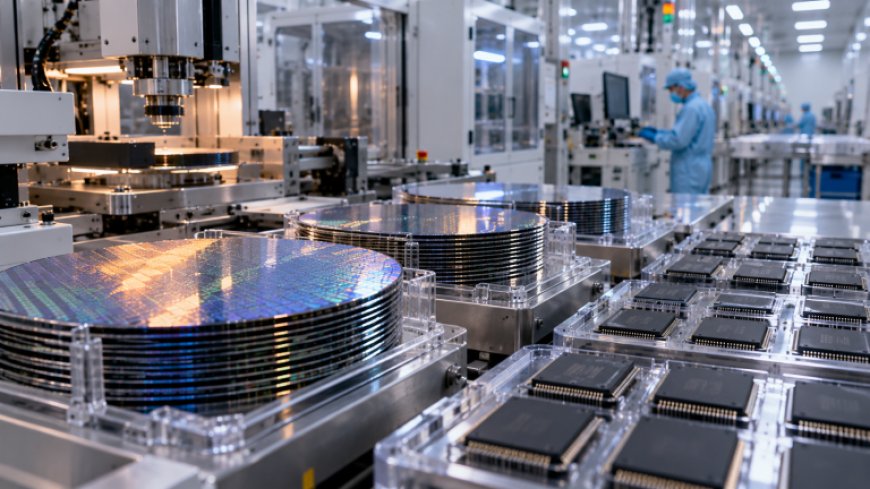
China Extends Pause on US Gallium, Germanium and Antimony Export Ban to January 27, 2027
China has extended by two months the suspension of its effective ban on US-bound exports of gallium, germanium, antimony and superhard dual-use materials, its commerce ministry said on Tuesday, giving American chipmakers, defence suppliers and battery makers breathing room until January 27, 2027.
The suspension had been due to expire on November 27, 2026. Under the new notice, Announcement No. 59 of 2026, it will now run from November 28, 2026 through January 27, 2027, with no gap between the two periods.
The move keeps one of the sharpest tools of the US-China technology standoff on hold for a little longer, but it does not remove it. Export licences are still required, and the underlying ban can return if the suspension is allowed to lapse.
What the extension covers
The suspension applies to the second clause of the commerce ministry's Announcement No. 46 of 2024, issued in December 2024. That clause says exports to the United States of dual-use items related to gallium, germanium, antimony and superhard materials will in principle not be permitted, and it applies stricter end-user and end-use reviews to graphite shipments.
Both parts of that clause stay paused under the new notice, including the tighter graphite reviews. The first suspension of the clause was announced in November 2025 and was originally scheduled to run through November 27, 2026.
The extension was signed on November 23 and published on November 24, according to Chinese state media and trade press reports of the ministry notice.
What stays in force
The pause is narrow. The first clause of the same 2024 announcement, which bars exports of dual-use items to US military users or for military purposes, remains in force and was never suspended.
Licensing requirements also remain. The extension preserves a legal presumption against approving US-bound shipments rather than reopening trade outright, and analysis by the Center for Strategic and International Studies, cited by Tech Times, found that US-bound gallium exports had not meaningfully resumed under the earlier pause. Xu Tianchen, a senior economist at the Economist Intelligence Unit, told the South China Morning Post that although China nominally eased the restrictions, shipments had not actually resumed according to Chinese customs data.
Organisations and individuals in any country also remain liable for passing China-origin dual-use items on to US entities.
Why these minerals matter for chips and batteries
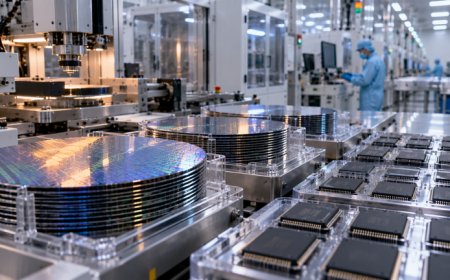
Gallium and germanium are essential to semiconductor manufacturing, telecommunications and advanced defence technology. Germanium is also used in infrared technology, fibre optic cables and solar cells. Antimony is widely used in ammunition, flame retardants and batteries, while graphite is the largest component by volume of electric vehicle batteries.
China restricted exports of the critical minerals between August 2023 and September 2024, before singling out the United States for an outright ban in December 2024 in response to curbs Washington imposed on its chip sector. The ban caused shortages among US users, and some importers resorted to workarounds such as routing shipments through third countries to get hold of the materials, Reuters reported.
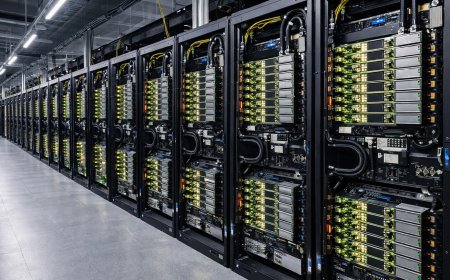
The stakes reach well beyond the minerals themselves. Gallium and germanium sit at the heart of the semiconductor supply chain, and demand for both has been rising as artificial intelligence data centres expand. Innopark IT recently examined how that build-out is reshaping demand for the same metals in AI data centres are reshaping metals demand.
The trade-truce backdrop
The announcement followed similar extensions in recent weeks that effectively stretched Beijing's trade truce with Washington by two months. US Treasury Secretary Scott Bessent said in September that a two-month extension would give the two sides "more time to see what we can do on the economic front."
The extension also lands days after President Xi Jinping and President Donald Trump met on the sidelines of the Asia-Pacific Economic Cooperation summit in Shenzhen on November 18-19.
A separate suspension of China's rare earth and graphite anode export controls runs until January 10, 2027, making the minerals waiver the longest-dated element of the current arrangement between the two governments.
What happens on January 27
If Beijing lets the suspension lapse on January 27, the second clause of Announcement No. 46 would apply again, presuming against approving US-bound licences for gallium, germanium, antimony and superhard materials and restoring the stricter review of graphite shipments. The military-user ban applies either way.
For now, the extension moves the next cliff from November 27 to January 27 without adding supply, and the next decision will fall in the middle of a winter in which both governments are still testing whether the truce can hold.
Sources
- Reuters — China extends suspension of ban on US-bound gallium, germanium, antimony exports
- China.org.cn — China continues suspending part of control measures on dual-use items export to US
- Global Times — China extends suspension of dual-use item export control on strategic metals for semiconductors to the US
- South China Morning Post — China approves 2-month suspension extension for select US export restrictions
- Tech Times — China Extends Gallium, Germanium, Antimony Export Ban Pause to January 27; Licenses Still Required
What's Your Reaction?
 Like
0
 Dislike
0
 Love
0
 Funny
0
 Angry
0
 Sad
0
 Wow
0