

























Why a SpaceX-Tesla Merger Would Create Both Synergies and Governance Risks
A SpaceX-Tesla combination could unite AI, robotics, energy, connectivity and manufacturing, but investors would inherit wider regulatory, conflict-of-interest and execution risks.
Why a SpaceX-Tesla Merger Would Create Both Synergies and Governance Risks
Elon Musk’s public support for a SpaceX-Tesla merger raises a question that is separate from SpaceX’s quarterly earnings: what would the combination actually accomplish, and what risks would it impose on investors? Reuters said a merged company could be worth about $3.5 trillion and would bring automobiles, launch services, satellite communications, energy storage, robotics and artificial-intelligence infrastructure under one corporate roof.
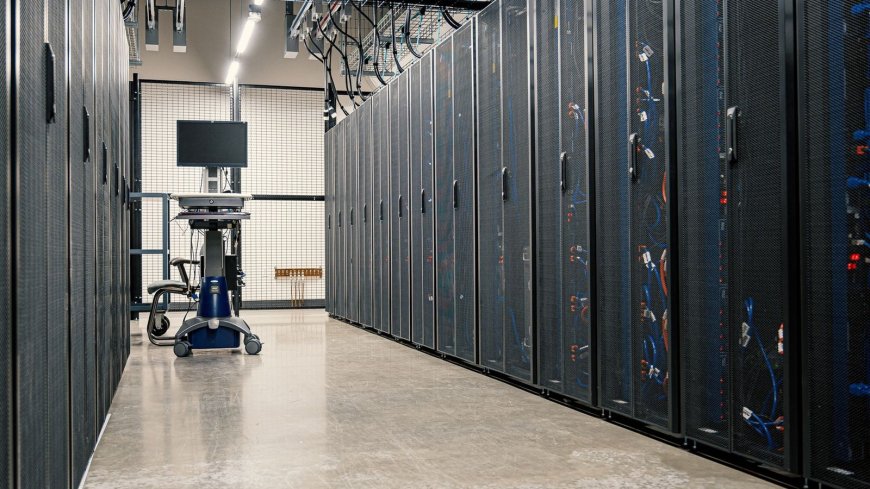
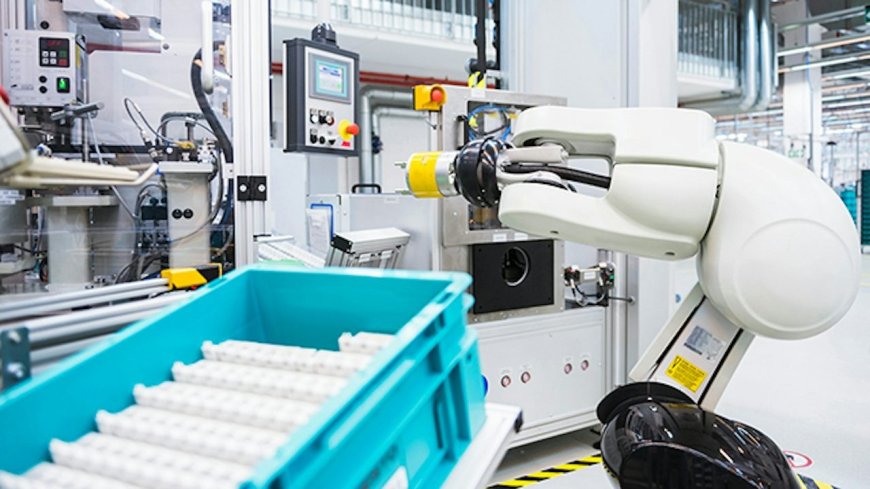
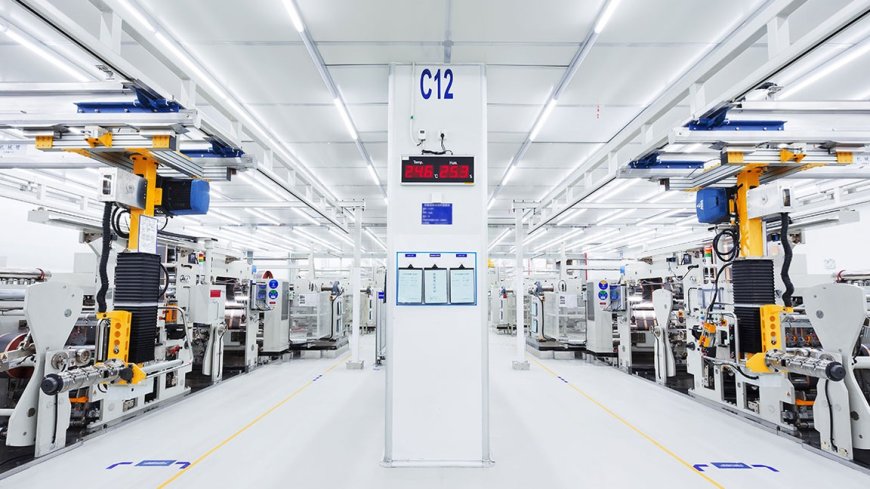
The strategic case rests on businesses that are increasingly connected in Musk’s plans. SpaceX’s Starlink network could support Tesla robotaxis and autonomous systems. Tesla batteries could help power SpaceX data-centre projects. Tesla’s factory-automation expertise could assist Starship production, while the Terafab project is intended to supply advanced chips for Tesla vehicles and robots as well as SpaceX’s AI and computing ambitions. Combining the companies could also let management move capital, engineers and infrastructure without negotiating across separate boards and shareholder groups.
There is a control argument as well. Musk owns nearly a fifth of Tesla and has voting control at SpaceX. A merger could give him greater influence over Tesla’s AI and robotics strategy while simplifying decisions across projects that already span both companies.
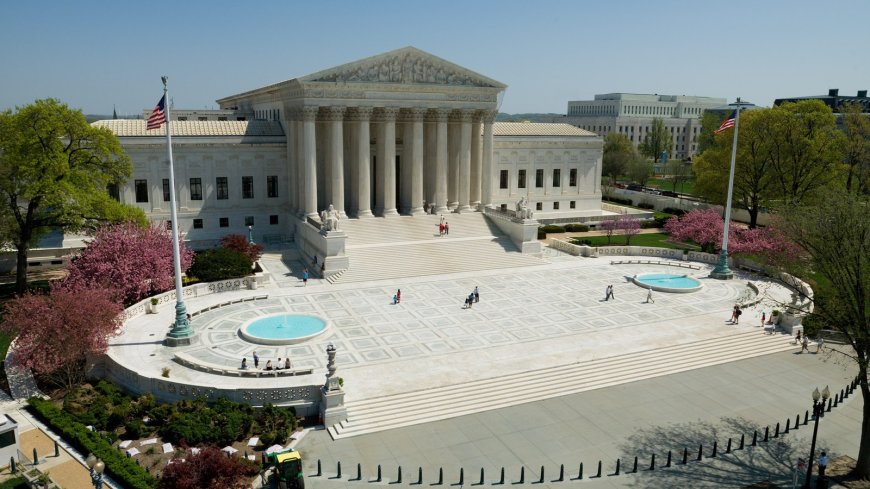
Investors would not receive synergies for free. Tesla shareholders would gain exposure to Starlink, launch and future space ventures; SpaceX investors would take on vehicle, energy and autonomous-driving businesses. The broader portfolio could spread opportunity, but it would also combine unrelated technical and regulatory risks. SpaceX’s military and NASA contracts, Tesla’s dependence on China through its Shanghai plant, and Musk’s overlapping interests could trigger scrutiny in Washington and Beijing.
Shareholders would still have to assess valuation, voting control, conflicts and capital allocation. A merger would not eliminate the execution risk surrounding Starship, robotaxis, humanoid robots, AI data centres or orbital infrastructure. It would place those expensive bets under one roof.
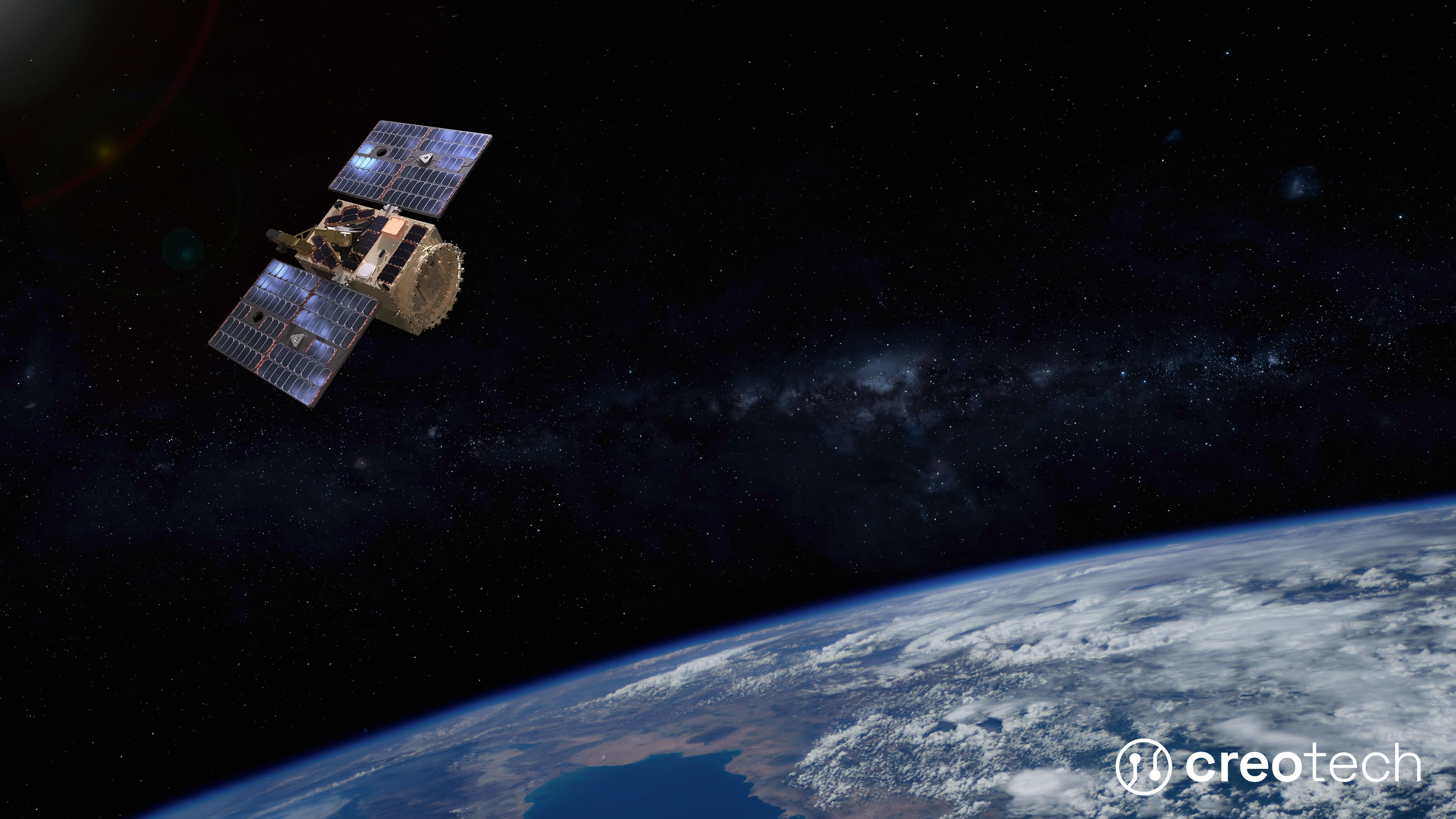
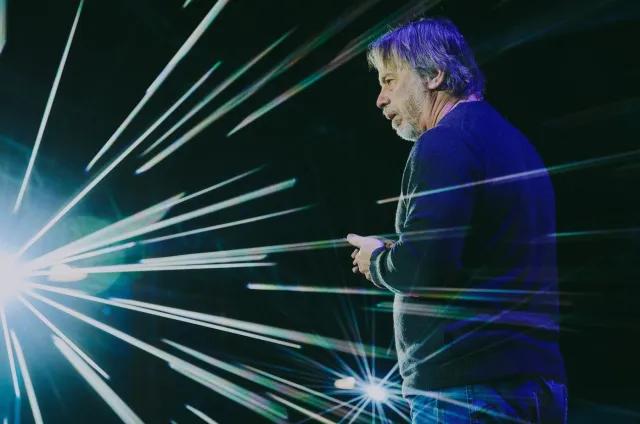
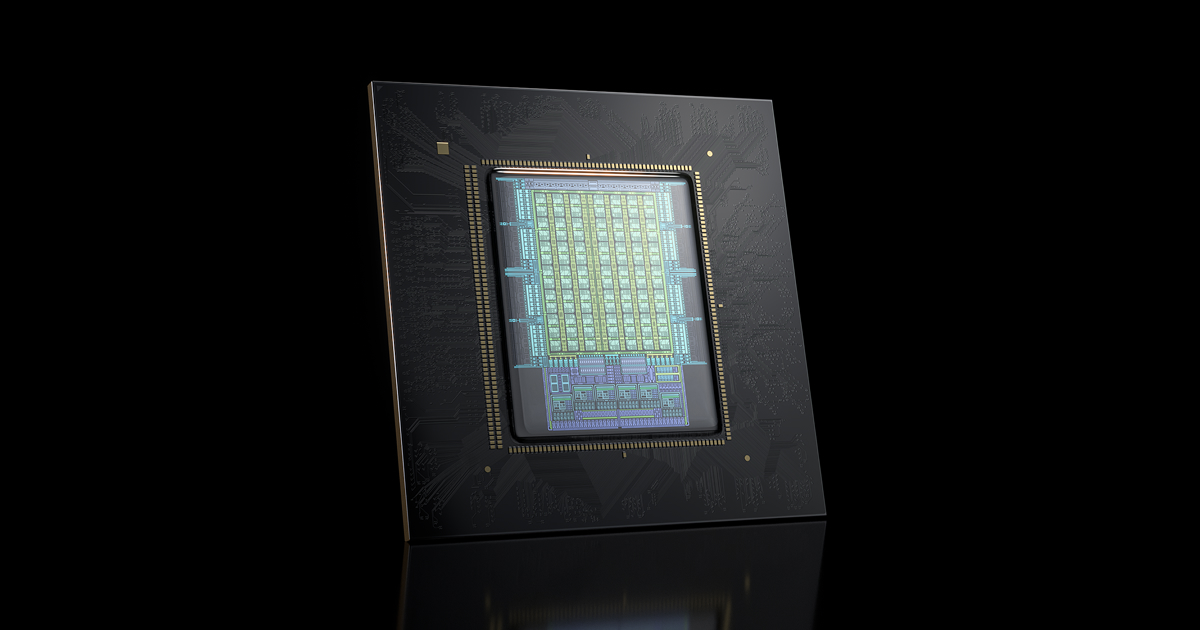
Image: SpaceX.
Sources
Reuters (Oct. 21, 2026)
What's Your Reaction?
 Like
0
 Dislike
0
 Love
0
 Funny
0
 Angry
0
 Sad
0
 Wow
0