




























































Japan’s Chip Reboot Is Being Pulled Toward U.S. Manufacturing
Japan’s planned $21 billion investment in two New York chip factories may support its U.S. alliance more than the domestic manufacturing base Tokyo wants to rebuild.
Japan’s Chip Reboot Is Being Pulled Toward U.S. Manufacturing
Japan’s effort to revive its semiconductor industry is increasingly tied to the demands of its most important economic and security partner. Tokyo plans to invest up to $21 billion in two GlobalFoundries factories in New York, part of a wider $550 billion U.S. investment pledge negotiated in exchange for lower tariffs. Reuters’ analysis shows that the headline investment is not simply an overseas extension of Japan’s domestic chip strategy: the Trump administration can select the projects, leaving Japan to help build capacity on U.S. soil.
The trade-off is central to the story. Experts cited by Reuters said the spending may do little to restore Japan’s own chip industry or materially improve its supply-chain resilience. Japan could fund U.S. semiconductor capacity without acquiring much advanced technology or expanding domestic manufacturing capability. A Japanese government source described the investment as a way to buy time in the U.S.-Japan relationship, while another analyst said Tokyo may have to regard the project as a tax.
The financing also exposes constraints at home. Japan Bank for International Cooperation and commercial banks are expected to provide loans backed by Nippon Export and Investment Insurance, but Japanese lenders have been reluctant to secure the dollars required. Tokyo is looking to JPMorgan and other U.S. banks for help while carrying the developed world’s highest debt-to-GDP ratio.
Japan is still backing domestic projects, including Rapidus, TSMC, Micron and Kioxia facilities, alongside a proposed $2.3 trillion investment across 17 strategic sectors through fiscal 2040. But the analysis raises a sharper question than the investment total: whether integrating U.S.-made chips into Japan’s supply chain is a pragmatic division of labor or a diversion of public capital from the domestic capabilities Tokyo says it needs.
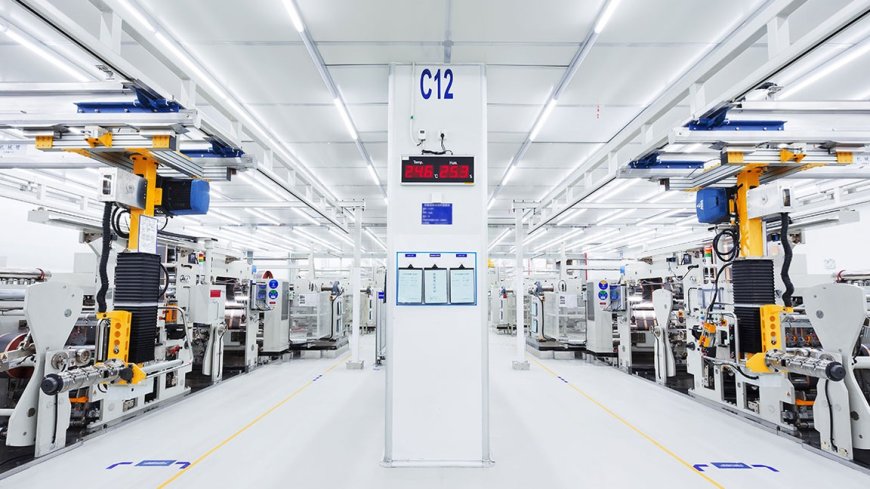
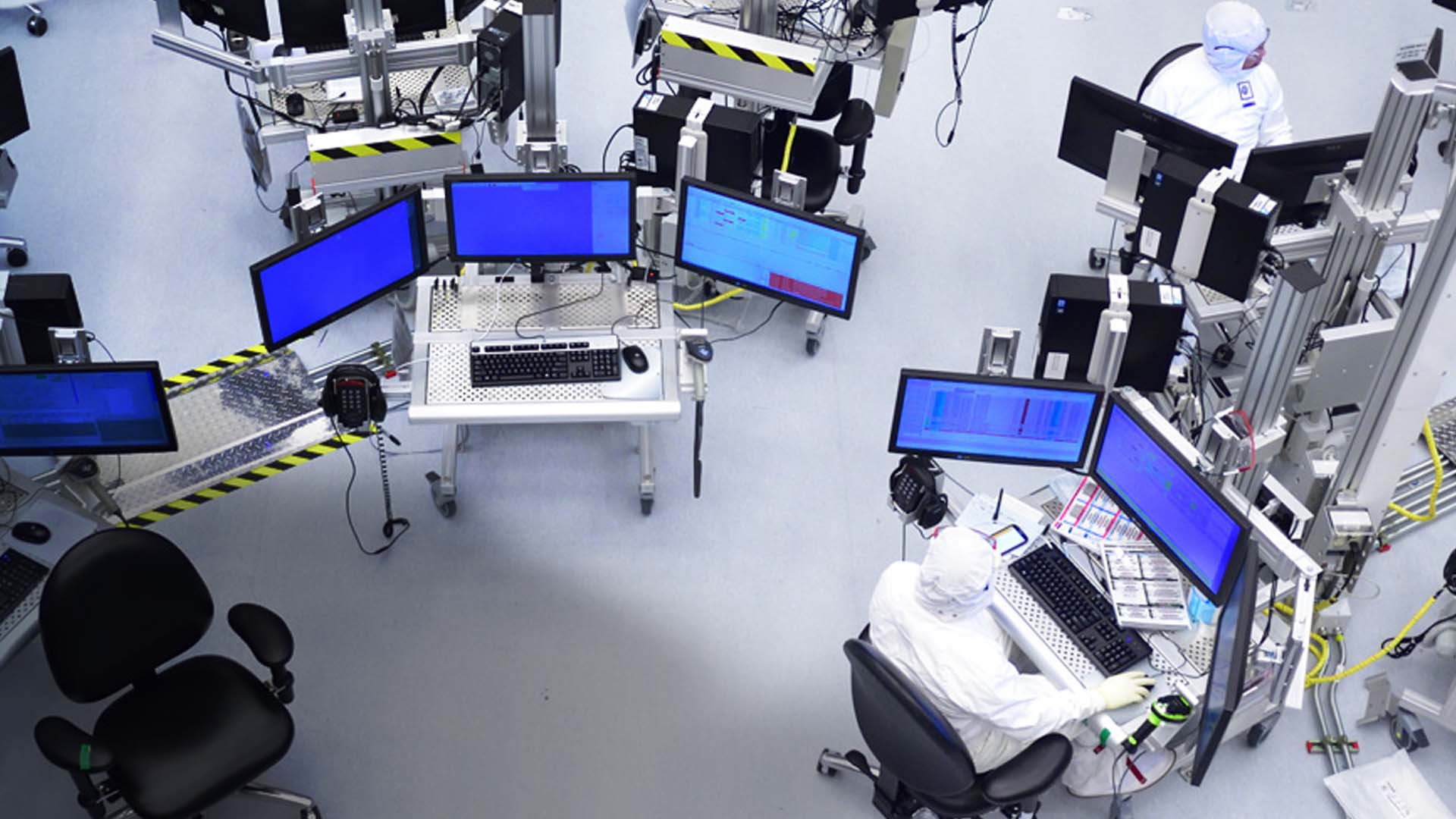
Image: Rapidus official IIM page.
Sources
Reuters (Tokyo, Oct. 20, 2026)
What's Your Reaction?
 Like
0
 Dislike
0
 Love
0
 Funny
0
 Angry
0
 Sad
0
 Wow
0