













































Android Falls to Record-Low Q3 Share as iPhone and HarmonyOS Climb, Counterpoint Reports
Counterpoint Research says Android's share of global smartphone sales fell to 74% in the third quarter of 2026, its lowest third-quarter level on record, as iOS reached a record 21% and Huawei's HarmonyOS climbed to 22% of the Chinese market.

Android Falls to Record-Low Q3 Share as iPhone and HarmonyOS Climb, Counterpoint Reports
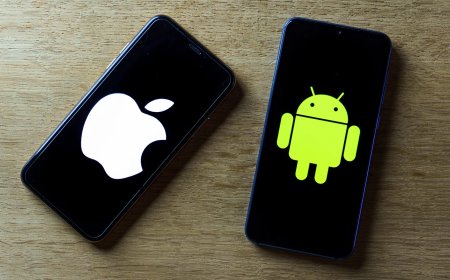
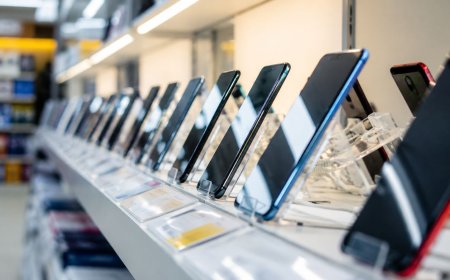
Android's grip on the global smartphone market loosened noticeably in the third quarter of 2026. New figures from Counterpoint Research put Android at 74 percent of smartphones sold worldwide between July and September, down from 79 percent a year earlier — the platform's lowest share ever recorded in a third quarter. Apple and Huawei both moved in the opposite direction, with iOS reaching a record 21 percent and HarmonyOS tightening its hold on China.
The shift came in a shrinking market. Counterpoint says global smartphone sales fell 16 percent year over year in the quarter, as the memory supply crisis hit the cheapest phones hardest and pushed prices up in the higher tiers. Android, present across every price band, felt both effects at once.
Android's weakest third quarter on record
Android's five-point slide is the headline number, but the context matters. Because Android powers phones at almost every price, the memory crisis cut two ways: entry-level models became harder to build and sell profitably, while rising component costs lifted prices further up the range. Counterpoint notes that flagship launches from Oppo, vivo and Xiaomi, along with Samsung's latest foldables, softened the blow — without them, the quarter could have looked worse.
The 74 percent figure is a sales share, not a shipment count: it reflects phones actually sold to buyers during the quarter, which makes it a closer read of what people are choosing at the till. On that measure, Android still sells roughly three out of every four smartphones in the world. Its dominance is intact; its direction of travel is not.
iPhone's best third quarter ever
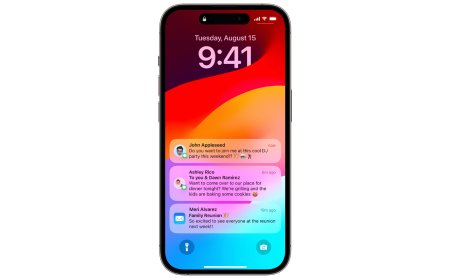
iOS climbed from 17 percent to 21 percent over the same period, its highest-ever third-quarter share. Counterpoint says iPhone sales grew 2 percent year over year in the quarter, with the iPhone 18 Pro series outselling the iPhone 17 Pro series and demand holding up despite price increases across Apple's lineup.
The regional picture was more mixed. In the United States, iOS actually slipped a point to 54 percent, from 55 percent a year earlier, as Android edged up to 46 percent. In India, iOS stood at 8 percent, flat year over year — a reminder that Apple's gains are concentrated in wealthier markets, while Android remains the default choice where price matters most.
HarmonyOS is now a fifth of the Chinese market
HarmonyOS held 5 percent of global smartphone sales, up from 4 percent a year earlier, but the real story is in China. There, Huawei's operating system reached 22 percent of sales, up from 17 percent, while Android accounted for 60 percent and iOS 18 percent. Huawei's own sales grew 12 percent year over year in mainland China even as the overall Chinese market shrank 10 percent.
Counterpoint sounds a note of caution, though. Huawei raised prices in September, and the firm thinks that may slow the company's momentum in the coming quarter. Whether HarmonyOS keeps climbing in China — or whether the price rises hand some of that ground back — is one of the numbers to watch in the next report.
Why the memory crisis is reshaping the market
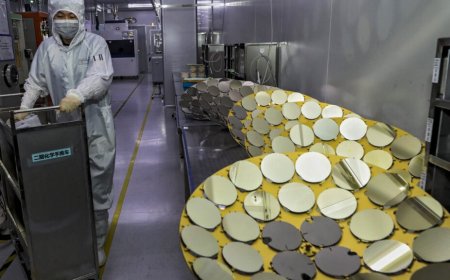
The operating-system numbers are the latest sign of how deeply the memory shortage is reshaping the phone business. With RAM scarce and expensive, the cheapest phones — almost all Android — are the first to suffer, while buyers who can still afford a phone are pushed toward higher-priced models, where Apple and Huawei's premium devices compete hardest. Counterpoint has separately warned that smartphone shipments are heading for a record drop in 2026 as the memory squeeze bites, and the Q3 sales figures fit that picture.
None of this means Android is in trouble as a platform. It remains the operating system of the vast majority of the world's phones, and its share in any single quarter says more about component supply and pricing than about the software itself. But the direction is clear: the market is getting tougher at the bottom, and the winners of the current squeeze are the brands selling premium phones at the top. For now, that is Apple and Huawei.
Sources
- GSMArena — iOS and HarmonyOS gain ground as Android's Q3 share hits a record low
- Counterpoint Research — Global Smartphone Sales Share by Operating System
- Gadgets 360 — Global Smartphone Sales Fall 16 Percent in Q3 2026; Android Share Drops to 74 Percent, iOS Hits 21 Percent: Counterpoint
- Innopark IT — Smartphone Shipments Head for Record Drop in 2026 as Memory Squeeze Bites, Counterpoint Warns
What's Your Reaction?
 Like
0
 Dislike
0
 Love
0
 Funny
0
 Angry
0
 Sad
0
 Wow
0