


























































Up to 50 Oil Tankers Hit by Cyberattacks as U.S. Probes Suspected Iranian Role
U.S. officials are investigating whether Iran is behind as many as 50 cyberattacks on oil, gas and chemical tankers in recent weeks, according to The Wall Street Journal. The suspected entry point is a flaw in widely used Fortinet routers, and Coast Guard cyber teams have boarded at least four ships approaching American ports.

Up to 50 Oil Tankers Hit by Cyberattacks as U.S. Probes Suspected Iranian Role
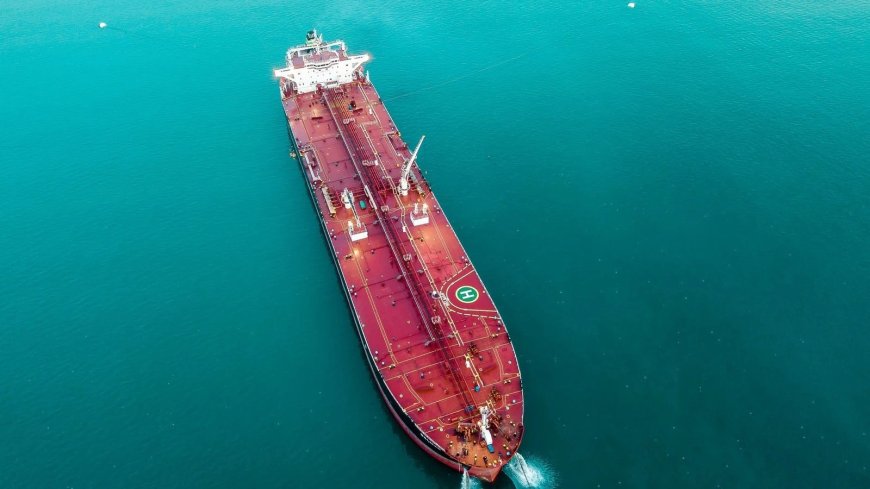
United States officials are investigating whether Iran is behind a wave of cyberattacks that may have hit as many as 50 ships carrying oil, liquefied gas and other explosive chemicals in recent weeks, according to a report by The Wall Street Journal. The scale of the campaign, and the cargo the targeted vessels were carrying, has raised fears that the attacks could be aimed at frightening shippers, disrupting maritime routes, or even causing an explosion at a major port.
The Journal, citing U.S. officials and others familiar with the matter, reported on Monday, November 23, that the vessels were attacked as they travelled across Asia and Europe. Iran is a primary suspect in the attacks, the officials said, although Russia is also seen by U.S. authorities as a possible culprit. TechCrunch relayed the report on Tuesday, November 24.
As many as 50 vessels targeted
The ships believed to have been attacked were carrying oil, liquefied petroleum, chemical products and other explosive substances, according to the officials cited by the Journal. Some of the vessels also received warnings and bomb threats, and in other cases crews received threatening messages in Farsi, the language spoken in Iran, warning them not to load American products.
One vessel named in the reporting, the Vivit Africa, was carrying liquefied natural gas from the United States to Italy when it was attacked and received a bomb threat, according to ship-tracking data and a person familiar with the matter. Another ship received a letter accusing it of illegally carrying Saudi oil to American ports and of being complicit in the organised crimes of the United States and Israel, although the Journal said it could not determine where the letter came from or whether it was sent by the attackers.
The U.S. Coast Guard has deployed cyber protection teams to respond to at least four of the ships as they approached the United States in recent weeks, working to mitigate the threats before the vessels continued on to American ports. The Coast Guard declined to discuss specific attacks but said it is encouraging shipping companies to report suspected problems and to use its free resources to protect their systems.
FortiBleed and the Fortinet routers on board
Investigators believe the attackers exploited a vulnerability in Fortinet routers that are widely used across the maritime industry. The suspected method is linked to a flaw known as FortiBleed, which allows attackers to break into networks by compromising vulnerable Fortinet-made routers.
The maritime connection was flagged months ago. In September, after the first known cyberattacks, the U.S. Coast Guard Cyber Command and the Federal Bureau of Investigation issued a joint alert stating that they had observed a trend of nation-state actors exploiting vulnerabilities in Fortinet FortiGate devices used by shipping companies and other maritime facilities.
Several oil tankers heading toward the U.S. coast in August also had their navigation systems breached, prompting cybersecurity teams from the FBI and the Coast Guard to board the vessels. The Journal reported in September on two of those attacks, involving the VL Prosperity and the Kohaku, which were heading to Texas when they were targeted. Ships carry backup controls that can take over if automated systems are hacked or fail, limiting the immediate physical danger, but the pattern of targeting navigation systems has alarmed officials.
Why investigators suspect Iran, and why it is not confirmed
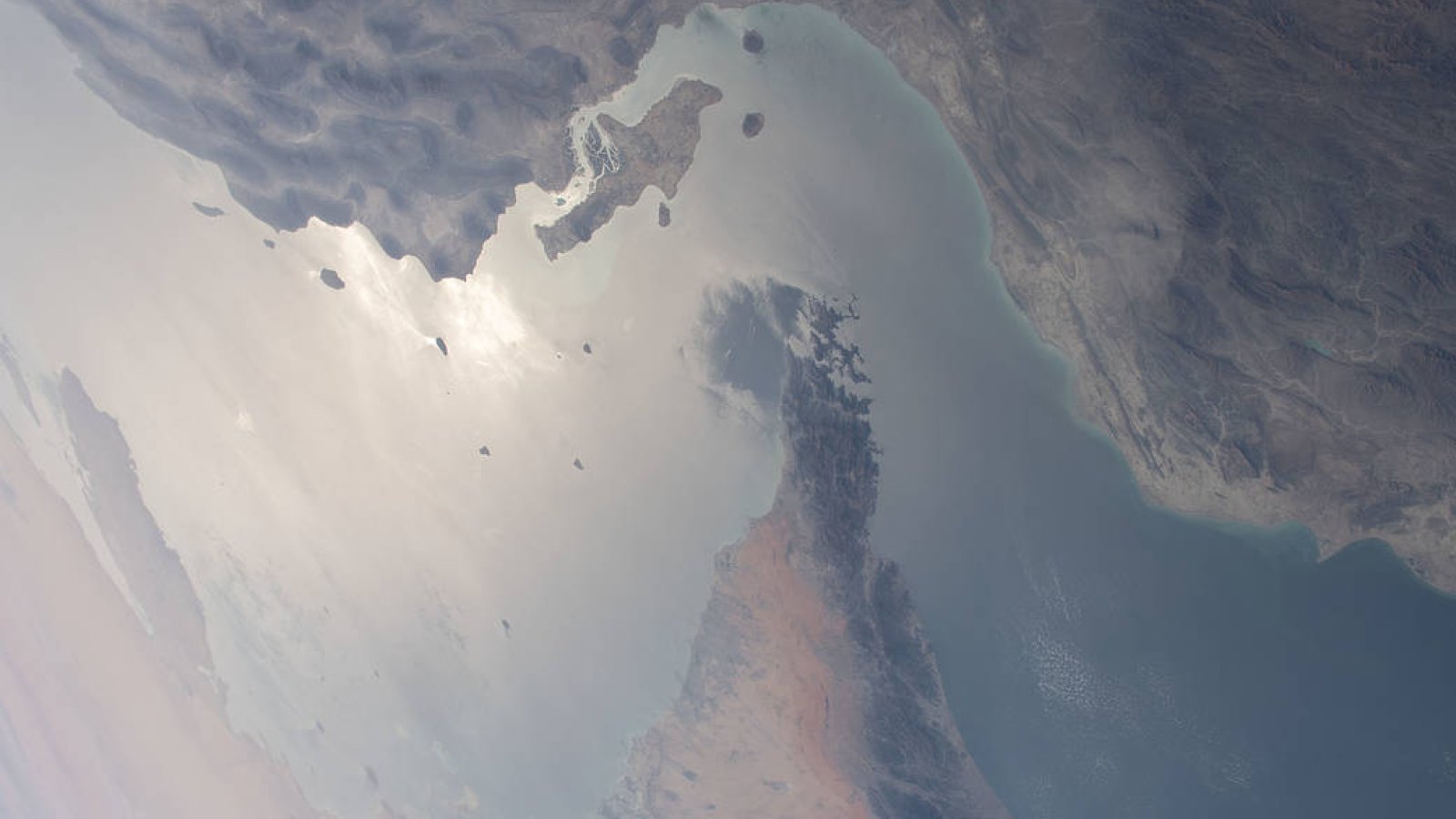
The attacks come as Iran continues to mount physical attacks against ships in the Strait of Hormuz, and as officials examine whether Tehran is widening the conflict with cyber operations and threats against Americans far from the Middle East. Iran has been retaliating on several fronts since the start of the U.S. and Israel-led war earlier this year, which killed the country's supreme leader, and much of that retaliation has taken the form of cyberattacks. U.S. officials have blamed Iran for hacks targeting hundreds of American water providers and U.S. medical technology companies.
But the attribution in the tanker cases is not settled. One administration official told the Journal that investigators had found no evidence of Iranian involvement and described four of the incidents as minor, a reminder that suspicion is not proof and that the inquiry is still open. The FBI did not respond to TechCrunch's request for comment about the shipping hacks or about whether it had a more accurate count of the affected vessels.
The uncertainty matters because the suspected entry point alone cannot identify the attacker. The same Fortinet flaws are exploited by ransomware crews, access brokers and state-backed hackers alike, so closing the vulnerability is urgent for shipowners regardless of who is behind the campaign. For the shipping industry, the message of the last few weeks is blunt: vessels that were once treated as collateral damage in cyber campaigns are now deliberate targets, and the defences on board have to catch up.
Sources
- The Wall Street Journal — U.S. Eyes Iran as Possible Culprit in Dozens of New Cyberattacks Against Ships (November 23, 2026)
- TechCrunch — Dozens of oil and shipping tankers hacked in recent weeks, per report (November 24, 2026)
What's Your Reaction?
 Like
0
 Dislike
0
 Love
0
 Funny
0
 Angry
0
 Sad
0
 Wow
0