















































Smartphone Shipments Face Their Worst Year Ever in 2026 as Memory Prices Surge
Counterpoint Research now expects global smartphone shipments to fall 13.9% in 2026 to 1.08 billion units — the steepest annual drop on record — as a memory supply crisis pushes component costs higher, squeezes affordable phones out of the market and leaves only Apple, Samsung and Huawei standing relatively firm.

Smartphone Shipments Face Their Worst Year Ever in 2026 as Memory Prices Surge
The global smartphone market is heading for its worst year on record. Counterpoint Research now expects worldwide shipments to fall 13.9% in 2026 to 1.08 billion units, a decline that would beat the previous record of 11.3% set in 2022 and leave annual volumes at their lowest since 2013.
The forecast, published in the firm's November 2026 Smartphone Market Outlook Tracker, is a sharp downgrade from the 12.4% drop Counterpoint projected back in February. The reason is not weak demand. It is a memory supply crisis that has tightened faster than almost anyone in the industry expected, pushing up the cost of the chips inside every phone and quietly pushing affordable handsets out of the market altogether.
A supply crisis, not a demand slump
Memory is at the centre of the downturn. Counterpoint's memory service expects mobile LPDDR4 and LPDDR5 prices in the second quarter of 2026 to roughly treble compared with the final quarter of 2025, and the squeeze is expected to last into the second half of 2027, given how long it takes to build new chip capacity.
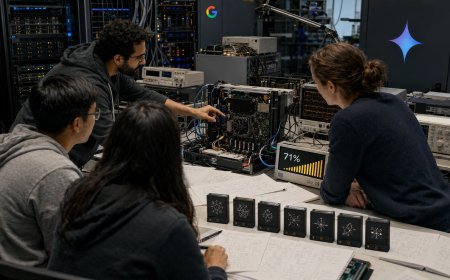
The problem starts with where the memory is going. Chipmakers are shifting production capacity toward high-bandwidth memory and server DRAM for artificial intelligence data centres, where demand and margins are far higher. LPDDR4 supply is expected to fall by more than 40% in 2026 alone. For phone makers, that means less memory available at much higher prices — and the damage falls hardest on the cheapest phones, where there is the least room to absorb the cost.
Wholesale smartphone prices had already risen 14% in the first quarter of 2026, Counterpoint says, and the pressure will continue as stock bought before the price shock runs out. Some price tiers below $150 face what the firm calls effective permanent ejection from the market, and several major Android vendors have already cut the volume of orders they place with suppliers. Inventory levels have fallen in some regions as a result.
Counterpoint principal analyst Yang Wang described the situation bluntly: "The memory crisis is the most disruptive supply-side event the smartphone industry has ever faced. Unlike demand-driven slowdowns, such as seen during COVID and 2022-23, the current contraction will not respond to pricing, channel and product planning adjustments."
Premium phones hold up; budget phones take the hit
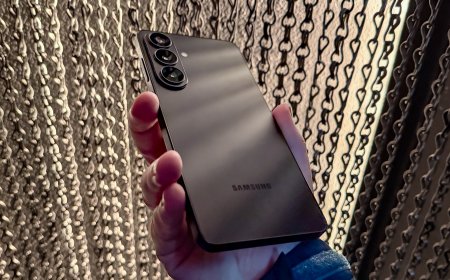
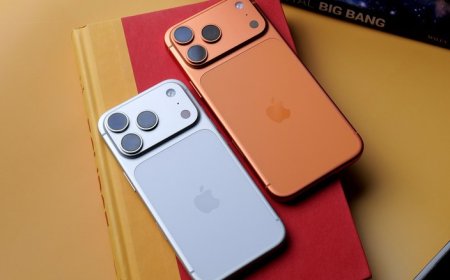
The pain is not spread evenly. Demand for premium phones has stayed resilient, and the two biggest vendors are expected to come through the year almost unscathed in volume terms. Apple is projected to finish 2026 as the world's largest smartphone vendor, with shipments down just 1% on last year, and Samsung is expected to come a close second with the same 1% decline. Samsung's well-received premium and foldable Galaxy models help, but Counterpoint notes they will not be enough to offset falling shipments in the Galaxy A series.
The one vendor expected to grow this year is Huawei, which Counterpoint forecasts will end 2026 with shipments up 12%, helped by strong demand in China, access to domestic components and progress in its HiSilicon chip development.
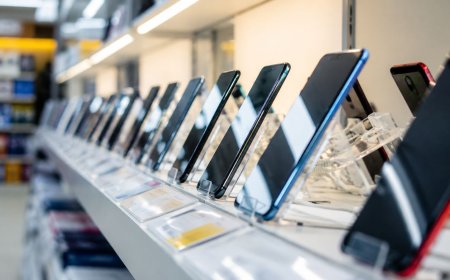
The contrast with the budget end of the market could hardly be sharper. Phones priced below $200 are the most exposed, and some makers have responded by raising retail prices, cutting memory configurations or simply discontinuing models that no longer make money. That is why the downturn matters beyond the shipment figures: the cheapest phones, the ones that brought first-time buyers online in many markets, are the ones disappearing from shelves.
Another down year in 2027, then a recovery in 2028
There is no quick turnaround in the forecast. Counterpoint expects global shipments to fall another 6% in 2027, to around 1.02 billion units, with DRAM and LPDDR pricing and supply remaining the two main bottlenecks for vendors. Apple is forecast to see shipments fall 1% in 2026 and 4% in 2027, while Samsung is projected to fall 1% and then 3%.
The rebound, when it comes, is expected in 2028, with shipments forecast to grow about 6% as memory pricing and availability stabilise and replacement demand returns from consumers who delayed upgrades. Counterpoint expects Chinese brands including vivo, Honor, Oppo and Xiaomi to see strong growth in that recovery year. Even so, total shipments in 2028 would still sit around 14% below 2025 levels — a reminder of how much ground the industry is losing in this downturn.
One corner of the market is already benefiting: the secondary and refurbished phone market, which Counterpoint expects to grow 13% in 2026 as buyers look for cheaper ways to get a working handset. Counterpoint now treats industry consolidation as its baseline scenario, with fewer brands, higher prices and longer replacement cycles. As Yang Wang put it, "2026 will be the year the smartphone industry's growth assumptions were permanently repriced."
For related coverage, see our report on Xiaomi, vivo and Oppo cutting their 2027 shipment targets as memory prices soar, and our earlier piece on DRAM revenue rising 369% as AI demand sends memory prices higher.
Sources
- GSMArena — Counterpoint: Smartphone shipments on track for record drop in 2026 (26 November 2026)
- Counterpoint Research — 2026 Smartphone Shipments to Post Worst Annual Decline on Record (updated 23 November 2026)
- Android Headlines — Smartphone Shipments Face Record 14% Drop in 2026
- Gadgets 360 — Apple, Samsung to Outperform Chinese Rivals as Smartphone Market Slows: Counterpoint
What's Your Reaction?
 Like
0
 Dislike
0
 Love
0
 Funny
0
 Angry
0
 Sad
0
 Wow
0