





















































Nasdaq Brushes Bear Market as Tariff Shock Deepens November's AI Rout
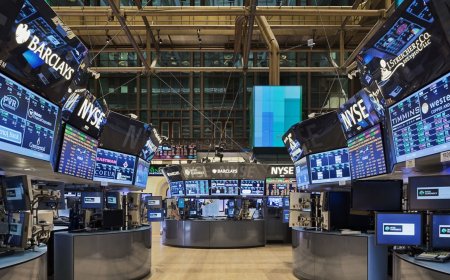
Wall Street endured one of its wildest sessions of the year on Wednesday, November 25, as the Nasdaq plunged as much as 4.6 percent and briefly touched bear-market territory before recovering, while fresh US tariff proposals and deepening doubts over the AI boom pushed market volatility to its highest in months.

Nasdaq Brushes Bear Market as Tariff Shock Deepens November's AI Rout
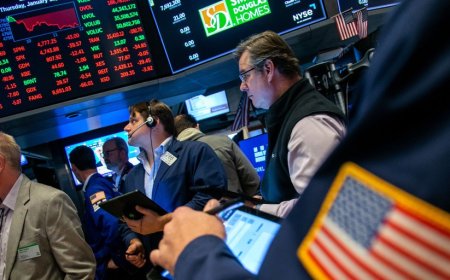
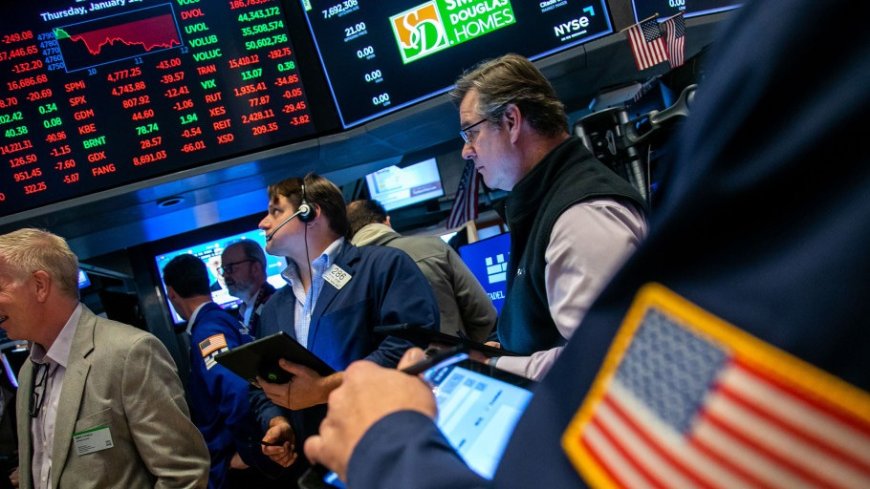
Wall Street endured one of its wildest sessions of the year on Wednesday, November 25, 2026, as the tech-heavy Nasdaq Composite plunged as much as 4.6 percent in early trading and the Nasdaq 100 briefly touched a 20 percent fall from its record closing high, the line that marks a bear market. Bargain hunters then stepped in ahead of the Thanksgiving holiday and pulled the indexes well off their lows, but the damage to November was already done.
By the closing bell, the Nasdaq Composite was down 0.62 percent at 23,585.80, a loss of 147.73 points. The S&P 500 slipped 0.25 percent to 7,182.78, while the Dow Jones Industrial Average recovered from a drop of more than 1,100 points to finish 0.33 percent higher at 50,182.95. The small-cap Russell 2000 rose 0.71 percent to 2,704.06.
Two forces drove the selling: a deepening rout in artificial intelligence stocks and a fresh round of tariff proposals from Washington. Together they left investors questioning whether the AI boom, the engine of the market for two years, can still deliver the returns needed to justify the trillions poured into it.
A month to forget for technology stocks
Wednesday's session capped a brutal November. The Nasdaq is down 7.3 percent for the month and the S&P 500 is down 5.2 percent, leaving both indexes on track for their worst November since 2008, according to Reuters. The Nasdaq Composite now sits about 15 percent below its early-October record high.
The damage is worst in chips. The Philadelphia Semiconductor Index has fallen 50 percent from its June record, including a 21 percent drop in November alone. The Roundhill Magnificent Seven exchange-traded fund, which holds the biggest US technology names, is down 8 percent. Market volatility has exploded alongside the selling: the VIX, Wall Street's fear gauge, has soared more than 60 percent in November, putting it on track for one of its biggest monthly jumps since Covid-19 struck in February 2020. It closed Wednesday at 28.29, up 7.3 percent on the day.
On the Nasdaq, declining stocks outnumbered advancers by almost three to one, and the index recorded 424 new 52-week lows against just 17 new highs.
Tariffs land on an already nervous market
The United States on Wednesday proposed a series of country-specific tariffs on goods from 14 major trading partners, including India, Japan and the European Union, aimed at what it calls structural excess industrial capacity. China faces the highest rates, with a proposed 20 percent excess-capacity levy on top of the roughly 25 percent duties imposed during President Donald Trump's first term.
The announcement revived global trade tensions just as markets were preparing to wind down for the year. Instead of locking in gains, investors rushed toward safe havens. The yield on the benchmark 10-year Treasury note fell 6 basis points to 4.84 percent, the 10-year German bond yield fell 4 basis points to 3.22 percent, and the Swiss franc, a traditional safe haven, strengthened against most major currencies.
"We still have not dealt with the fresh shock of Nvidia and tech and now we have tariffs," said Aneeka Gupta, equity strategist at WisdomTree. "Up until today it felt like we might get a Santa Claus rally ... but the AI trade is faltering and that remains the central pillar for stocks."
Art Hogan, chief market strategist at B. Riley Wealth, said tariff concerns were overshadowing economic data. The US economy grew much faster than initially estimated in the third quarter, while inflation increased further in October, reinforcing expectations that the Federal Reserve will raise interest rates next month and again in early 2027.
Doubts over the AI boom keep building
The AI trade has been under pressure all month. Fears of increased regulatory scrutiny of the sector have grown since the Democratic sweep in the midterm elections, and investors are increasingly sceptical that the enormous capital spending on AI infrastructure will produce the profits the market expects.
"The fundamental support for a year-end rally simply isn't there," Chris Brigati, chief investment officer at SWBC, said in a note. "The AI-inspired rally continues to run out of steam, and without evidence that massive capex spending will deliver the profit and revenue goals the market expects, there is little incentive for a rebound."
Nvidia, the chipmaker at the centre of the AI trade, led the declines. By late morning, its shares were down 8.7 percent and the Philadelphia Semiconductor Index had lost 7.3 percent, according to Reuters. Among other big technology names, Alphabet fell 5 percent, Amazon shed 5.4 percent, Microsoft was down 3 percent and Apple lost 1.7 percent in late-morning trading.
The market's initial euphoria over Jensen Huang's return as Nvidia chief executive on Monday, after he resigned 11 days earlier, has faded fast. Investors are still weighing whether the leadership turmoil, the investigations surrounding the company and the questions over AI spending have done lasting damage to confidence. Read our earlier report: Jensen Huang resigns as Nvidia CEO after 33 years.
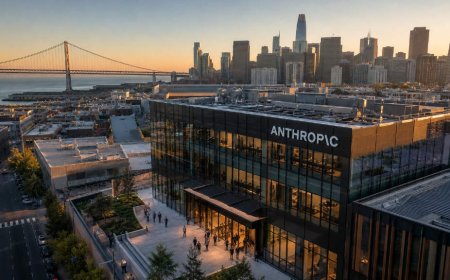
Anthropic, the AI lab whose record listing briefly lifted the market last week, has become a symbol of the fading enthusiasm. Its shares closed Tuesday at 81.90 dollars, below the 83 dollar IPO price, and slipped again on Wednesday. "Some have called Anthropic the silent killer of the AI trade," said Kathleen Brooks, research director at XTB. Read our earlier report: Anthropic shares close 17 percent higher in Nasdaq debut.
There were exceptions to the gloom. Dell Technologies fell 7 percent even after raising its annual revenue and profit forecasts, while rival PC maker HP jumped 11.7 percent after reporting fourth-quarter revenue and profit above analysts' estimates.
What comes next
US markets were closed on Thursday, November 26, for Thanksgiving and reopen for a shortened session on Friday, closing at 1 p.m. Eastern time. Traders will be watching whether Wednesday's late recovery holds, or whether the selling resumes once the holiday break ends. With the Nasdaq flirting with a bear market, volatility at its highest in months and a rate rise expected in December, the year-end rally investors had hoped for now looks a long way off.
Sources
Reuters, "Volatility-weary investors hammered as tariff mayhem adds to tech pain", November 25, 2026
Reuters via Kitco News, "Nasdaq sinks about 4% as AI rout, fresh Trump tariffs spook Wall St", November 25, 2026
Associated Press, "Wall Street recovers most early losses as pullback in AI stocks eases", November 25, 2026
Channel NewsAsia, "Nasdaq, S&P 500 end down, but well off lows as investors buy bargains", November 25, 2026
Investopedia, "Markets News, Nov. 25, 2026: Nasdaq, S&P 500 Close Lower as AI Trade Remains Under Pressure", November 25, 2026
What's Your Reaction?
 Like
0
 Dislike
0
 Love
0
 Funny
0
 Angry
0
 Sad
0
 Wow
0