


























































Bithumb Says October Breach Was Far Bigger Than First Admitted, With IDs, Bank Details and Wallet Addresses Exposed
South Korean crypto exchange Bithumb has admitted its October data breach was far wider than first disclosed. A follow-up investigation found attackers were inside its internal DaouOffice system for more than two weeks, from October 12 to October 27, and stole personal records including passport numbers, bank account details, transaction histories and crypto wallet addresses. No cryptocurrency was stolen, and Bithumb says its trading systems were not directly accessed. The exchange has warned customers about phishing attacks impersonating Bithumb and opened an inquiry service so people can check whether their data was exposed.

Bithumb Says October Breach Was Far Bigger Than First Admitted, With IDs, Bank Details and Wallet Addresses Exposed
South Korean cryptocurrency exchange Bithumb has admitted that a data breach in October was far wider than it first disclosed, after a follow-up investigation found attackers had been inside one of its internal systems for more than two weeks and had taken a much broader range of personal records.
In a revised security notice issued on November 25, Bithumb said the additional findings came from the same incident it first announced on October 29. The exchange has opened an inquiry service so customers can check whether their information was exposed, and it warned that the stolen records could be used for highly targeted phishing attacks.
The intrusion lasted more than two weeks
The most striking correction in Bithumb's update concerns how long the attackers were inside its systems. When the exchange first disclosed the breach, it said the hacking had lasted about an hour on October 27, from 11:28 a.m. to 12:27 p.m., and that it had spotted the incident at 12:14 p.m. that day.
The follow-up review found something very different. Investigators determined that an unauthorised outsider had accessed Bithumb's internal mobile groupware system, DaouOffice, from 1:49 p.m. on October 12 until 3:22 p.m. on October 27 — a period of more than 15 days. That means Bithumb failed to detect the intrusion for over two weeks, and the attacker's access continued for about three hours even after the company first identified the incident.
DaouOffice is an internal collaboration platform built by South Korean software company Daou Technology. Bithumb said it stopped using the system once it noticed the suspicious activity, blocked the attacker's IP addresses and formed an incident response team.
More people affected, but no new total given
Bithumb initially reported that personal information belonging to 7,159 people had leaked — 6,444 customers and 715 executives and employees. The November update says more people were affected, including additional customers and employees of partner companies, as well as current and former Bithumb staff.
The exchange did not publish a revised total for the number of affected individuals, so the full scale of the incident remains unclear. What it did disclose is the range of records involved: 19 categories of personal information, with the exact records varying from person to person.
What data was exposed
According to Bithumb's revised notice, the stolen records may include membership numbers, names, telephone numbers, email addresses, dates of birth and home addresses, along with South Korean resident registration numbers — the national identification numbers used in everyday life in South Korea.
The exposure also reaches into more sensitive territory. The compromised data may include passport numbers, driver's licence information, bank account numbers and copies of identification documents, as well as transaction histories and cryptocurrency wallet addresses. Employment-related information was also taken, including job titles, employer names, workplace locations and business phone numbers.
Bithumb said it will contact affected customers individually by email and text message, telling them which of their records were compromised and how to protect themselves against identity theft and financial loss.
Trading systems untouched and no crypto stolen
Despite the scale of the personal data theft, Bithumb stressed that the breach did not reach the heart of its exchange. The company said DaouOffice operates separately from the systems used for cryptocurrency trading and from the systems holding customer asset information, and investigators found no sign that the attacker gained direct unauthorised access to the trading service or the customer database.
No cryptocurrency was stolen in the incident. That distinction matters, but it does not remove the risk. The personal information the attackers obtained — identity documents, transaction records and wallet addresses — can help criminals identify likely targets and impersonate exchange employees to obtain passwords or trick customers into transferring funds.
Phishing warning for customers
Bithumb warned customers on November 25 about fake websites, emails and text messages impersonating the exchange, designed to steal personal information and cryptocurrency wallet credentials. The exchange said it is monitoring suspicious logins and withdrawals more closely and requiring additional identity checks, and it promised compensation for losses caused by the breach.
The warning reflects a wider problem in crypto security. Impersonation scams surged 1,400 percent in 2025, according to blockchain analytics firm Chainalysis, as criminals increasingly posed as exchange employees and trusted contacts to trick crypto holders into transferring funds. A separate breach at Gnosis Pay in November exposed customers' home addresses and crypto wallet details, leaving them vulnerable to targeted scams even though no funds were reported lost.
Bithumb's disclosure also follows other October crypto incidents, including Binance's move to cover the $6.34 billion stolen in its record October hack. Bithumb's October breach also came during a wave of cybersecurity attacks on other South Korean financial firms, including Daishin Securities and Mirae Asset Securities. For Bithumb customers, the practical advice is unchanged but urgent: treat any unexpected message claiming to be from the exchange with suspicion, check exposure through Bithumb's official inquiry service, and never share login credentials or wallet details through links in emails or texts.
Sources
- Gadgets360 — Bithumb Confirms Wider Data Breach Affecting IDs, Bank Details and Wallet Addresses
- CoinDesk — South Korean Crypto Exchange Bithumb Warns of Phishing After Deeper October Breach Probe
- The Cryptonomist — Bithumb Security Breach Exposes Customer Data
- DigitalToday — Bithumb hack damage larger, failed to detect breach for over two weeks
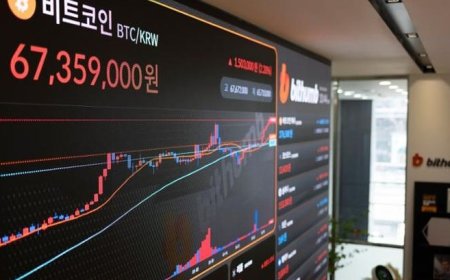
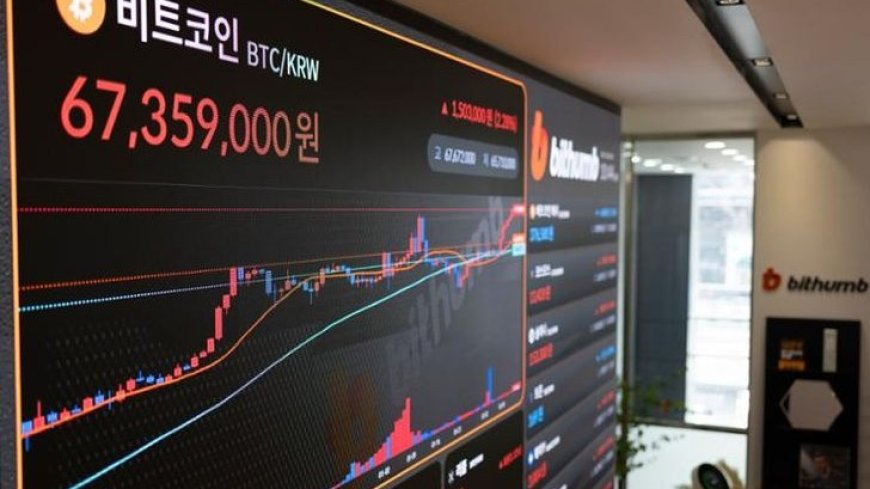
Photo: a Bitcoin price display inside a Bithumb office in Seoul (file photo).
What's Your Reaction?
 Like
0
 Dislike
0
 Love
0
 Funny
0
 Angry
0
 Sad
0
 Wow
0