



















































AI-Powered Cyberattacks Threaten Retailers This Black Friday — and Most Small Shops Have No Insurance
Retailers face a surge of AI-accelerated ransomware attacks heading into Black Friday 2026, with November attacks on the sector running 50% above the monthly average — yet only 43% of small and medium-sized retailers carry cyber insurance, leaving many exposed at the busiest trading weekend of the year.
AI-Powered Cyberattacks Threaten Retailers This Black Friday — and Most Small Shops Have No Insurance
Retailers heading into the Black Friday shopping period face a growing cyber threat as artificial intelligence makes attacks faster and more potent — at a time when the sector has some of the lowest levels of cyber insurance protection of any major industry.
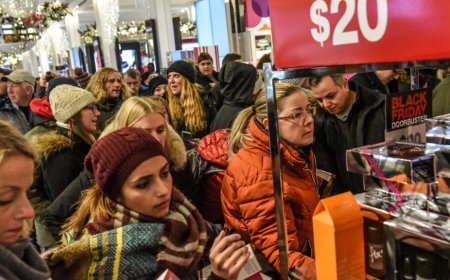
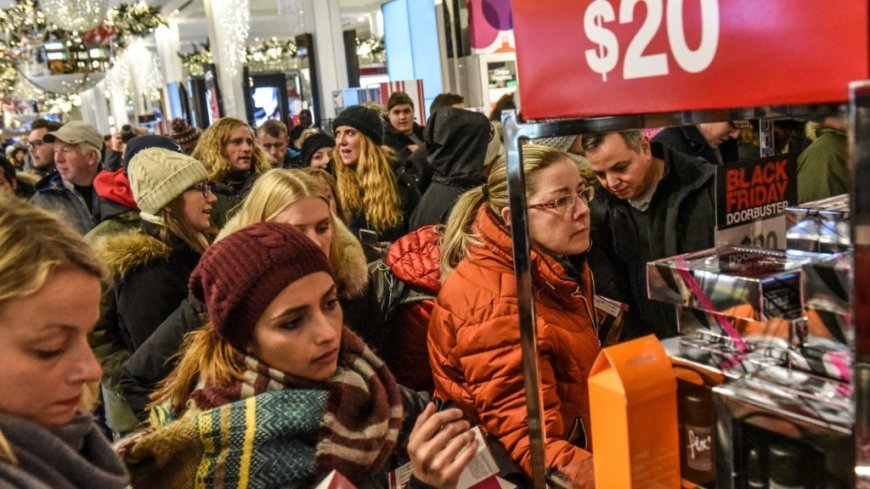
Black Friday, which falls on 27 November this year, has long been one of the most lucrative sales opportunities in the retail calendar. But as shoppers hunt for deals, criminals see an opening too: more frequent and more sophisticated cyberattacks are increasingly testing retailers' ability to keep trading through the peak.
November is peak season for retail ransomware
Ransomware attacks on retail, leisure and hospitality businesses are 50% more frequent in November than the monthly average, according to claims data from insurer CFC. The pattern is no accident. Attackers know that a system outage in the final days of November costs a retailer far more than the same outage in a quiet month — and that the pressure to pay up and restore trading quickly is at its highest.
Black Friday and Cyber Monday bookend one of the retail sector's busiest periods of the year, with consumers searching for deals and retailers often offering heavy discounts. UK shoppers looking to snap up bargains are set to spend £235 ($307) each this Black Friday, with UK spending expected to reach its highest since 2022, according to research from PwC.
That concentration of revenue is exactly what makes the weekend so attractive to attackers — and so dangerous for retailers that are caught unprepared.
Most small retailers are uninsured
Only 43% of small and medium-sized retailers carry cyber insurance, compared with 81% in financial services and 71% in technology, according to CFC's data. The gap matters because a cyber incident during peak trading can turn from an operational headache into a serious financial loss within hours.
"Retailers spend months making sure their websites, stock and logistics can withstand the surge in customers. But Black Friday should be treated as a resilience exercise as much as a revenue opportunity," said Lindsey Maher, CFC's head of global cyber development.
Retailers do not generally buy additional cyber insurance for a single weekend, said David Molony, Europe, Middle East and Africa head of cyber and financial sponsors at Aon. Instead, they focus on testing and strengthening their resilience — a strategy that matters most at a time of year when revenue depends so heavily on technology working without interruption.
"A cyber incident that interrupts the ability to trade during peak season can move very quickly from an operational issue to a material financial loss," Molony said.
AI is speeding up attacks — and defences
Artificial intelligence is changing the tempo of the threat. Francisco Donoso, chief product and technology officer at Beazley Security, said AI was speeding up attacks, and the number of vulnerabilities being exposed was almost six times higher than a year ago.
"It's really hard for organisations to keep up," Donoso said.
The same technology is also improving defences, said Sydonie Williams, head of international cyber risks at Beazley. But the retail sector's exposure is unusually broad: complex supply chains, vast stores of credit card records and the sheer intensity of the shopping period mean retailers are primed for maximum chaos and interruption when something goes wrong. The warning echoes the UK's National Cyber Security Centre, which has also cautioned that AI-driven attacks are becoming faster and harder to stop — see our earlier report on the NCSC warning on AI-powered cyberattacks.
The Target lesson, thirteen years on
The cautionary tale for the industry remains Target. The US retailer incurred net cumulative expenses of $202 million after a 2013 breach during the holiday shopping season that compromised at least 40 million credit cards, the company has said.
That breach happened before AI tools could automate the discovery of vulnerabilities or craft convincing phishing messages at scale. Today's attackers have far more powerful instruments — and, as the insurance figures show, many of the smaller retailers they now target have far less protection than the giants.
For shoppers, the advice is familiar but worth repeating: stick to retailers you trust, use card payments with fraud protection, and be wary of deals that arrive by unexpected email or text message. For retailers, the message from the insurers is blunt — Black Friday is a resilience test as much as a sales event, and the time to find out whether systems hold up is before the doors open, not after they go down.
Sources
- Reuters — "Retailers face rising AI cyberattack threat ahead of Black Friday, many uninsured" (25 November 2026)
- CFC — claims data on November ransomware frequency and cyber insurance uptake
- PwC — UK Black Friday spending research
- Aon and Beazley — industry commentary on retail cyber resilience
What's Your Reaction?
 Like
0
 Dislike
0
 Love
0
 Funny
0
 Angry
0
 Sad
0
 Wow
0