

























































Samsung, SK Hynix upgrade China plants to make more advanced chips, sources say
Samsung Electronics and SK Hynix are upgrading their China factories to make more advanced NAND memory chips, according to four people familiar with the plans cited by Reuters.

Samsung, SK Hynix upgrade China plants to make more advanced chips, sources say
Samsung Electronics and SK Hynix are upgrading their factories in China to produce more advanced NAND memory chips, according to four people familiar with the plans cited by Reuters. The companies are seeking to keep pace with rising artificial-intelligence demand while competing with China’s Yangtze Memory Technologies, or YMTC.
Both companies told Reuters that upgrades were under way and were being conducted in close consultation with Washington, but they did not disclose the production plans reported by the sources. Reuters could not determine how far U.S. authorities had approved the export licences needed for the planned equipment.
Samsung is converting its Xi’an facility, which accounts for about 40% of its global NAND output, to make 286-layer V9 NAND chips. The project aims for monthly output of 5,000 wafers in December 2026 and 40,000 wafers by December 2027, according to one source. Samsung said the upgrade is intended to meet global customer demand and does not expand production capacity or add a new factory.
SK Hynix is looking to produce NAND chips with 240 layers or more at its Dalian facilities, up from products with 192 layers, the sources said. The company may seek permission for research on chips with more than 300 layers as it discusses a possible U.S. NAND factory. These reported plans do not establish that all required licences have been granted.
YMTC held 38.5% of China’s NAND market in the second quarter, according to Omdia, while Samsung and SK Hynix had 33.5% and 17%, respectively. The figures underline the competitive pressure behind the upgrades, but Reuters said YMTC did not respond to a request for comment.
The reported projects are upgrades inside existing facilities rather than announcements of new plants. Samsung said its Xi’an work is intended to meet customer demand without expanding capacity, while the reported SK Hynix plan would move Dalian output beyond its current 192-layer products. Whether equipment can be licensed, installed and brought to volume production will determine how quickly the competitive balance changes.
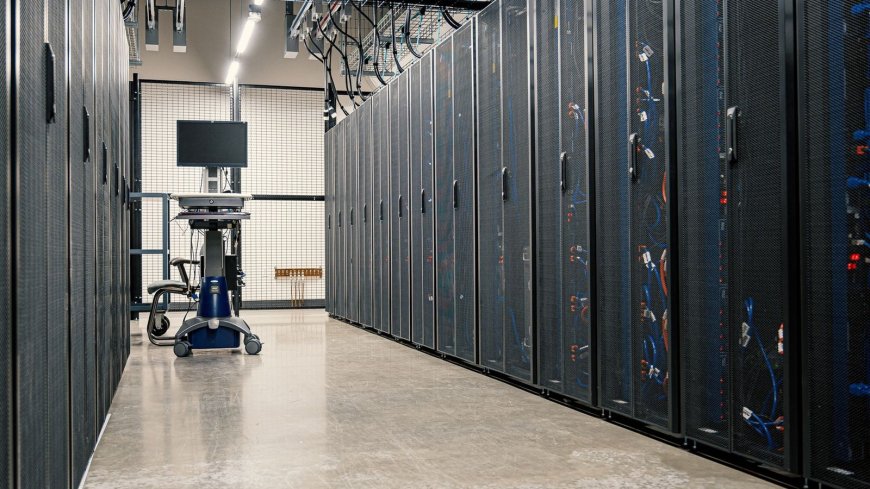
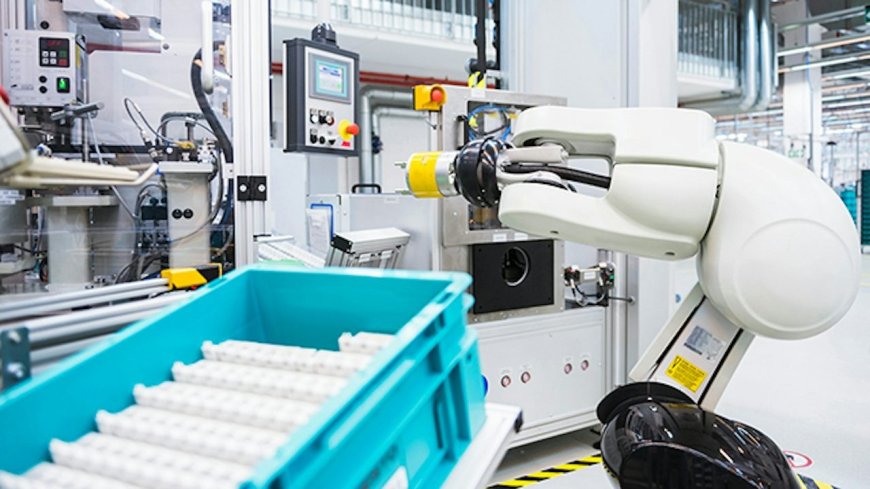
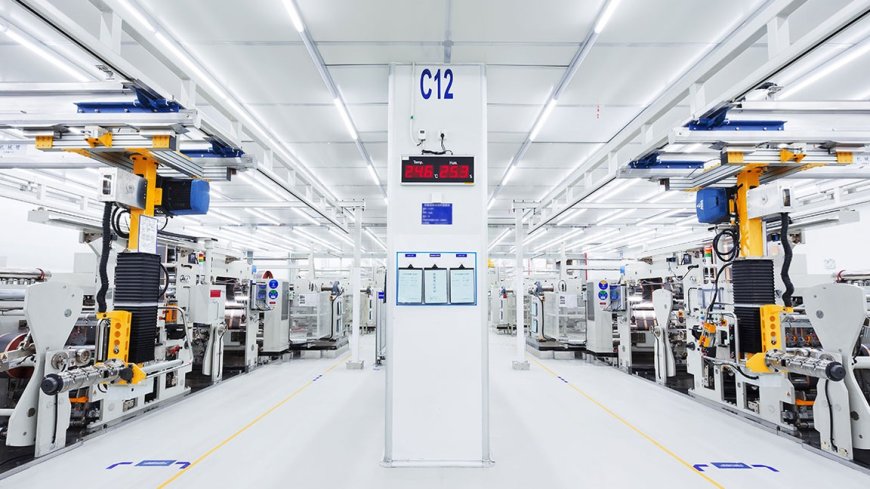
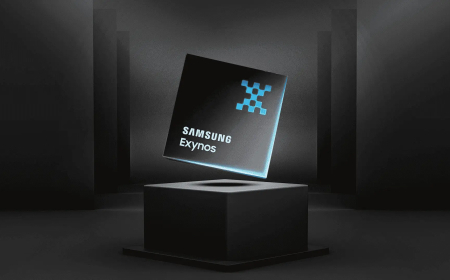
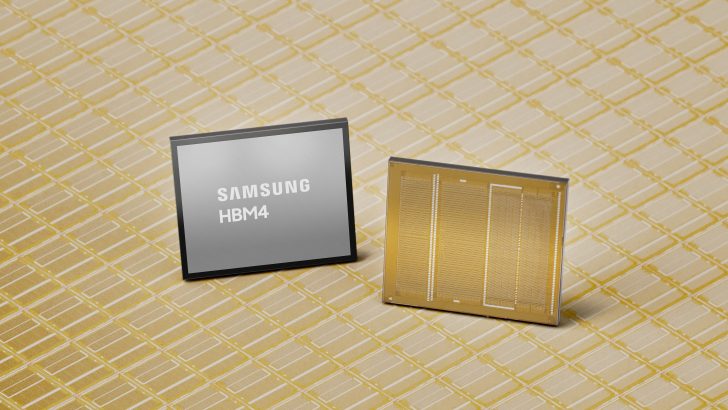
Image: Samsung Semiconductor official.
Sources
What's Your Reaction?
 Like
0
 Dislike
0
 Love
0
 Funny
0
 Angry
0
 Sad
0
 Wow
0