



















































China's STAR50 loses 40% as AI shares face a valuation reset
China's STAR50 index has lost 40% in less than four months and erased about $480 billion in market value, as valuations, trade risks and funding concerns force investors to reassess an AI-led rally.

China's STAR50 loses 40% as AI shares face a valuation reset
China's artificial-intelligence and semiconductor shares have suffered a sharp valuation reset, with the mainland STAR50 index down 40% in less than four months and about $480 billion in market value erased, according to Reuters. The decline highlights risks in prices, concentration and market funding; it does not by itself establish that China's AI technology has failed.
The episode shows how quickly expectations can outrun earnings, especially in a market where retail investors play a large role. It also complicates Beijing's effort to encourage household savings into equities and build a “slow bull” market with more reliable returns.
A concentrated rally reverses
The selloff has interrupted a two-year rally that accelerated after promises of economic stimulus lifted Chinese shares. China's broad CSI300 blue-chip index has fallen about 20% from highs reached in June. US AI stocks have suffered a smaller setback: the Nasdaq has drawn down 6% from a record reached three weeks before the Reuters report.
Reuters said there was no single obvious trigger for the Chinese decline. Traders pointed to expensive valuations, tax bills and the possibility that the United States or other countries could ban Chinese equipment from data centers. Goldman Sachs estimates that AI stocks had grown to 42% of China's market capitalization and 57% of turnover across mainland-listed A-shares and Hong Kong H-shares, leaving few investors insulated from the reversal.
Beijing-based fund manager Dong Baozhen described the market's earlier phase as a speculative bull run and said the bubble was now bursting. His assessment concerns the pricing of the investment theme, not the underlying scientific or commercial potential of AI.
Retail favorites absorb the damage
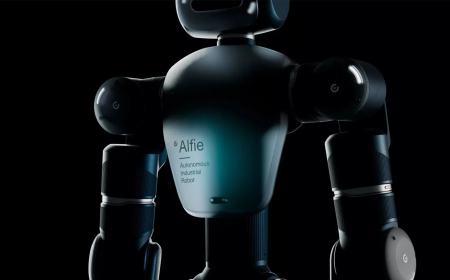
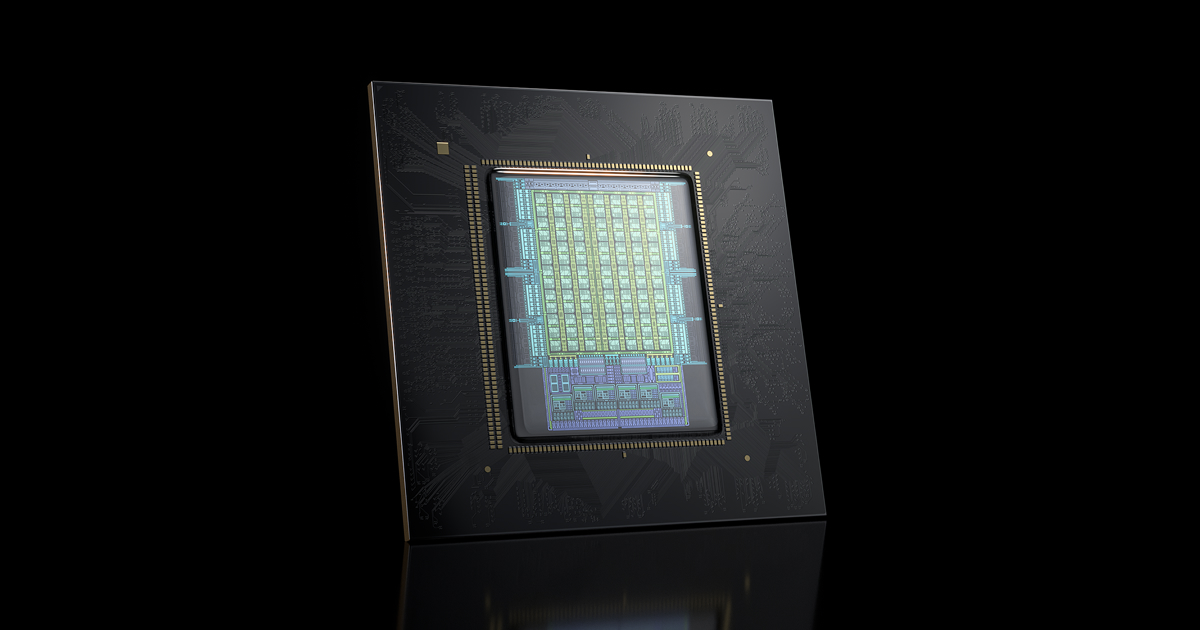
Robot maker Unitree was 8,000 times oversubscribed by retail buyers at its listing and has lost half its value since beginning to trade in August. Chipmaker CXMT has declined more than a quarter over the past month. MetaX Integrated Circuits and Moore Threads Technology, which rose 700% and 400%, respectively, on their market debuts last year, have each fallen by half since July.
Chen Wensheng, a small-business owner and investor in southern Hainan, told Reuters that he bought into the rally partly because he viewed official backing of companies such as Unitree as supportive. He and friends are now facing losses. The disappointment has pushed some investors toward defensive assets and is likely to slow equity fundraising by technology companies.
Optical-components makers Zhongji Innolight and Eoptolink Technology have fallen roughly 60% from highs in June and July. Reuters linked part of that decline to Washington's move toward banning the companies from supplying US data centers.
Valuations and listings under pressure
Even after the fall, the STAR50 was trading at around 100 times trailing earnings, down from a peak near 250. Investors have compared that multiple with roughly 30 times for the Nasdaq 100 and questioned whether the Chinese selloff has further to run.
Hong Hao, managing partner and chief investment officer at Lotus Asset Management in Hong Kong, said the decline would halt listing plans for many companies. That would affect the flow of capital to new technology listings even as demand for AI products and chips develops over a longer horizon.
Reform debate continues after the reset
The reversal contrasts with regulators' efforts to improve returns and reduce volatility, including curbs on leverage and high-frequency trading. State-backed investors sold into rallies to restrain gains. The China Securities Regulatory Commission did not immediately respond to Reuters' questions; its chairman, Wu Qing, met market participants earlier in the month to hear proposals on improving capital markets.
Some investors argue that an oversized technology weighting distorted capital allocation and drained other sectors. Leo Wang, a partner at Beijing-based Qianchuang Capital, said emphasizing the technology content of major indexes had created severe bubbles in some areas and a serious drain on others.
There are also more constructive readings. Some participants see lower prices as compatible with long-term reforms. HSBC research said Asia funds remained overweight on China despite selling over the prior three months. Goldman Sachs included Innolight and CXMT among dozens of Chinese AI stocks on a revised recommendation list, while BNP Paribas strategist William Bratton said careful investors could find opportunities.
The immediate mood remains cautious. Mainland investors are looking at other sectors or waiting for lower valuations. Fund manager Wang Zhuo warned that Chinese chipmakers and AI suppliers could eventually face price competition like other manufacturers. AI remains an important industrial and policy theme, but listed companies face pressure to justify valuations with durable business performance.
Sources
What's Your Reaction?
 Like
0
 Dislike
0
 Love
0
 Funny
0
 Angry
0
 Sad
0
 Wow
0