











































ASML’s AI Boom Is Strengthening the Netherlands—and Its Dependence on One Company
ASML could account directly for up to 1.6% of the Dutch economy in 2026, according to an ING estimate reported by Reuters. The chip-equipment leader’s growth is bringing investment and high-value work to the Netherlands, but it is also reviving concerns about concentration, geopolitics and the supply of skilled workers.

ASML’s AI Boom Is Strengthening the Netherlands—and Its Dependence on One Company
ASML’s central role in advanced chip production is becoming a larger part of the Dutch economic story. Economists at ING estimate that ASML could account directly for up to 1.6% of the Dutch economy in 2026, up from 1.3% in 2025, Reuters reported. The estimate is ING’s analysis, not an ASML forecast.
A national benefit from global AI demand
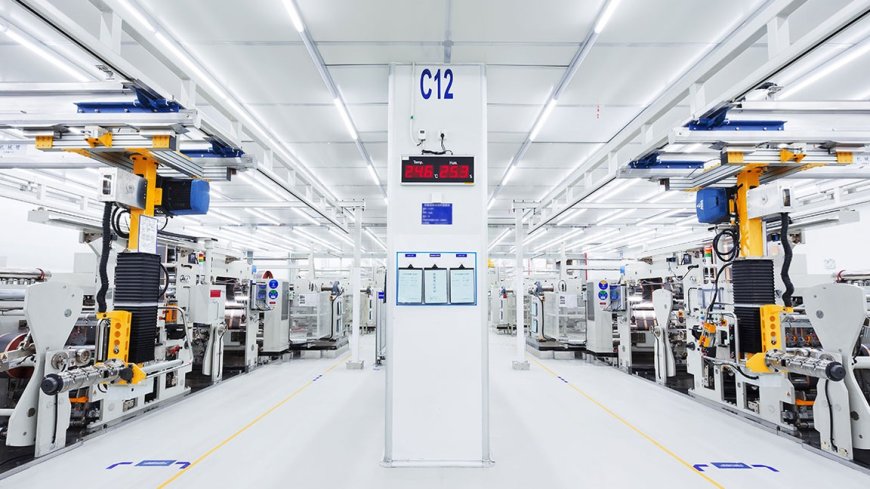
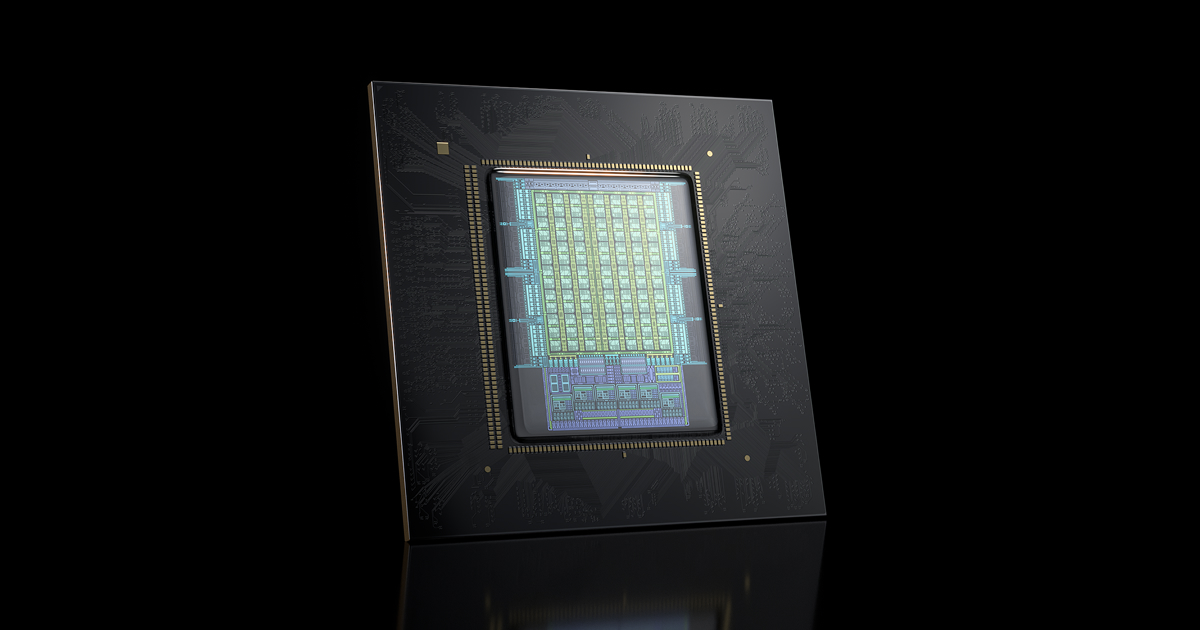
ASML makes the lithography systems used by chipmakers to produce advanced integrated circuits. Reuters said booming AI demand has helped make it Europe’s most valuable company by market capitalization, while the company’s research and production base remains in the Netherlands. ING’s analysis also includes indirect benefits from ASML’s domestic supplier ecosystem.
ASML’s own third-quarter update supports the demand backdrop. The company reported €11.7 billion in third-quarter sales and said customer equipment forecasts were rising because of AI-related investment. It said its currently planned supply for 2027 and 2028 would not fully meet customer demand, and that it was investigating capacity expansion beyond a previously communicated 30% increase for 2028.
Capacity growth creates a workforce requirement
The growth story is not only about factory output. ASML’s official release says the company had more than 45,500 full-time-equivalent employees, while Reuters reported that the company had broken ground on a Dutch expansion expected eventually to provide space for up to 20,000 workers. ING warned that shortages of skilled workers could constrain further growth.
That makes labor availability a strategic input alongside optics, precision engineering and specialized suppliers. If the Netherlands is to capture more value from the AI equipment cycle, it must be able to staff the research, manufacturing, installation and support activities that expansion requires.
The Nokia comparison is a warning, not a forecast
ING’s researchers compared the concentration risk with Nokia’s former weight in Finland. Reuters reported that Nokia once represented 3.8% of the Finnish economy before falling to 0.5% a decade later after missing the smartphone transition. The comparison illustrates the potential shock from a dominant company’s decline; it does not mean ASML faces the same outcome.
ASML also faces risks outside its control. Reuters cited export restrictions affecting its most advanced tools in China and possible further measures, while the company’s own risk language points to geopolitical developments, supply-chain capacity and access to qualified employees.
The Netherlands is benefiting from its position at the center of the AI hardware boom. The policy challenge is ensuring that this success builds a broader technology ecosystem rather than making national growth too dependent on a single irreplaceable supplier.
Sources
What's Your Reaction?
 Like
0
 Dislike
0
 Love
0
 Funny
0
 Angry
0
 Sad
0
 Wow
0