




















































SpaceX’s $40 Billion GPU Debt Raises the Stakes in AI Infrastructure
Elon Musk says SpaceX closed $40 billion of debt for GPU purchases, while warning that AI-focused cloud companies without substantial non-AI revenue may struggle to access funding. The deal illustrates how AI infrastructure is moving from a technology race into a capital-structure test.
SpaceX’s $40 Billion GPU Debt Raises the Stakes in AI Infrastructure
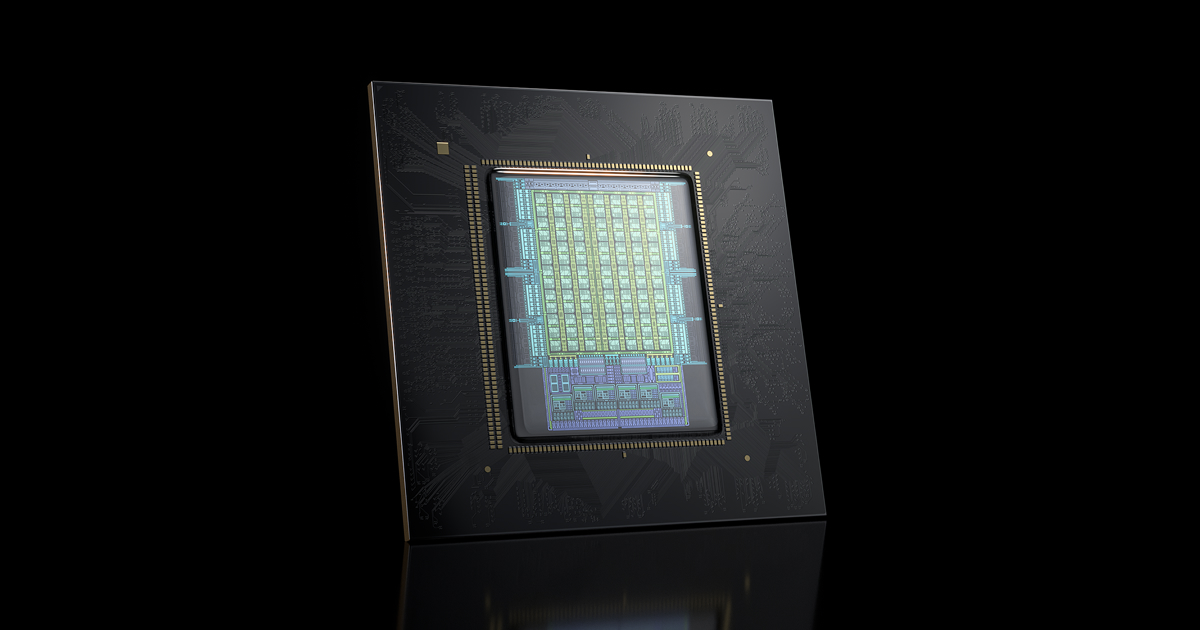
Elon Musk says SpaceX has closed $40 billion in debt financing for graphics processing units, putting a very large number on the cost of building AI computing capacity. In a post on X, Musk said the borrowing was possible because SpaceX is investment grade and has substantial revenue from Starlink and its launch business.
A financing claim with important limits
Musk described the borrowing as primarily callable debt for GPUs expected to arrive in the first and second quarters. He also said it would not be a major factor in the current quarter. His post did not disclose the lenders, pricing, maturity, covenants or whether the entire facility had been drawn. Reuters likewise reported that the precise meaning of “closed” and the final debt pricing were not immediately clear.
That distinction matters. A committed or callable facility gives SpaceX purchasing capacity, but it is not the same as a disclosed cash outlay or a completed delivery schedule. The public record supports the size and intended use that Musk stated. It does not support assumptions about SpaceX’s eventual GPU inventory, financing cost or return on the investment.
Why the debt matters beyond SpaceX
Musk’s broader argument was that debt markets have largely shut access to companies without meaningful revenue independent of AI data centers. He predicted consolidation and failures among “neocloud” providers that focus on AI customers, while saying SpaceX would not buy such companies.
The contrast is the central business angle. SpaceX can point to Starlink and launches as revenue streams outside AI, while specialist compute providers are more directly exposed to chip prices, utilization, customer concentration and refinancing conditions. The same AI demand that supports higher capacity prices can therefore make the financing model more fragile when debt is used to build capacity ahead of contracted demand.
Spending arrives alongside a much larger buildout
SpaceX’s chief financial officer has forecast fourth-quarter capital expenditure of $35 billion to $40 billion, according to Reuters. The company’s public offering documents also list manufacturing its own GPUs among substantial planned expenditures.
SpaceX’s debt raise is consequently more than a chip-purchasing headline. It is a test of whether diversified operating revenue can support the leverage required to compete in AI infrastructure. It also leaves investors with unanswered questions about repayment terms, GPU deployment and how quickly AI-related revenue can turn hardware spending into durable cash flow.
Sources
- Reuters: Musk says SpaceX raised $40 billion in debt for GPUs
- Elon Musk’s X post on SpaceX’s debt financing
- Space Exploration Technologies S-1, SEC
What's Your Reaction?
 Like
0
 Dislike
0
 Love
0
 Funny
0
 Angry
0
 Sad
0
 Wow
0