



















































Nvidia's Jensen Huang and the China Chip Spy Scandal: A Timeline of How It Unfolded
The scandal engulfing Nvidia CEO Jensen Huang began with an FBI and Justice Department investigation into a Chinese smuggling ring, moved through the arrest of a Chinese spy and the firing of an Nvidia engineer, and has now reached the company's own boardroom. This timeline explains how a chip-smuggling investigation, an alleged affair with a former Nvidia employee, and pressure from Congress and the White House converged into the biggest crisis of Huang's career — and what could happen next.
Nvidia's Jensen Huang and the China Chip Spy Scandal: A Timeline of How It Unfolded
In less than a week, the most admired CEO in the technology industry has become the subject of a board inquiry, a congressional subpoena threat and a criminal investigation that reaches from Silicon Valley to Beijing. Jensen Huang, the founder and chief executive of Nvidia, built the company into the most valuable in the world on the back of the artificial intelligence boom. Now, a scandal involving an alleged affair, a Chinese spy and smuggled AI chips has put his job in question.
The story is complex, with several threads that developed separately before converging. Here is how it unfolded, in order.
The investigation begins: the Megaspeed smuggling ring
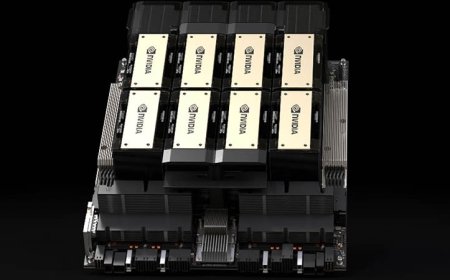
The earliest thread dates back to an FBI and Justice Department investigation into a Chinese smuggling operation that allegedly diverted advanced Nvidia AI chips to China in violation of US export controls. According to court filings and reporting by Reuters, the operation centred on a company called Megaspeed, which allegedly used a network of intermediaries to move Nvidia's most powerful AI processors — including the H100 and H200 — through Hong Kong and other jurisdictions to Chinese buyers, including entities linked to the People's Liberation Army.
The investigation was not public knowledge for months. But by the autumn of 2026, federal prosecutors were preparing charges, and the case had begun to touch people close to Nvidia itself.
October 2026: the spy is arrested
The investigation became public in October 2026, when US authorities arrested a Chinese national accused of acting as an agent of the Chinese government and of involvement in the chip-smuggling network. The arrest was reported by Reuters and other outlets, and it put the spotlight on the lengths to which China was going to obtain Nvidia's most advanced chips despite export controls.
Around the same time, Nvidia fired an engineer who had been under investigation in connection with the case. The company said the employee had violated its policies, but did not publicly elaborate on the nature of the violation. The firing was the first indication that the scandal had reached inside Nvidia's own workforce.
November 2026: the affair allegation surfaces
The story took a sharp turn in early November 2026, when the New York Times reported that Huang had had an affair with Kimberly Powell, a former Nvidia employee who had worked closely with him. The report, based on interviews with people familiar with the matter, said the relationship had begun years earlier and had continued while Powell was at the company.
The Times report also raised questions about whether the affair was connected to the smuggling investigation. Powell had left Nvidia in 2024, and the report did not allege that she was involved in the chip-smuggling operation. But the combination of a personal scandal and a criminal investigation involving the company's most sensitive technology created a crisis that Nvidia's board could not ignore.
November 11, 2026: the board meets
On November 11, Nvidia's board of directors held an emergency meeting to discuss Huang's future. According to reporting by the Wall Street Journal, the board was weighing whether to remove Huang as chief executive, a step that would have been unthinkable only weeks earlier. The Journal reported that the board had hired an outside law firm to investigate the affair and the circumstances surrounding it, and that directors were split on the right course of action.
The board meeting was not the only pressure Huang faced that day. Senator Kevin Cramer, a Republican from North Dakota, publicly called on Huang to resign, saying the scandal had damaged the company's credibility and its relationship with the US government. Cramer's statement was the first public call for Huang's resignation from a member of Congress.
November 11, 2026: Congress and the White House get involved
On November 11, the crisis escalated further. House Republicans on the Select Committee on China demanded that Huang testify before Congress, floating a subpoena if he refused. The committee said it wanted to question Huang about the smuggling investigation, the affair and Nvidia's compliance with export controls. The demand put Huang in the position of having to answer to Congress while his own board was deciding his fate.
The same day, reporting by Axios revealed that Commerce Secretary Howard Lutnick had stalled the Trump administration's effort to tighten restrictions on Nvidia's chip sales to China. According to Axios, Lutnick had intervened to delay a crackdown that the White House had been preparing, arguing that it would harm US companies. The report raised questions about the administration's relationship with Huang, who had cultivated close ties with President Trump.
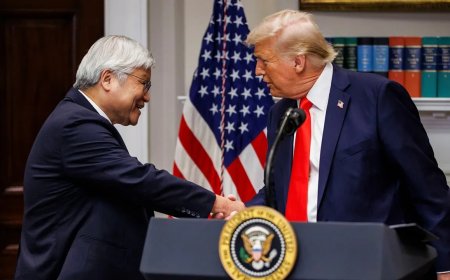
President Trump himself weighed in on November 11, saying he had spoken with Huang and that the Nvidia chief had his support. But Trump's comments did little to calm the situation, and by the end of the day, Nvidia's stock had fallen sharply, with the company's market value dropping by hundreds of billions of dollars in a matter of days.
What happens next
As of November 12, no decision has been announced by Nvidia's board. The board has not said when it will reach a conclusion, and Huang has not publicly commented on the affair allegation or the investigation. The House committee has given Huang a deadline to agree to testify, and the Justice Department's investigation into the smuggling ring is continuing.
The stakes could hardly be higher. Nvidia is the most valuable company in the world, and Huang is its founder, its public face and the architect of its AI strategy. His removal would be one of the most dramatic corporate oustings in history, and it would come at a moment when the AI boom that made Nvidia so valuable is facing its first serious test. For now, the board's deliberations continue, and the technology industry waits to see whether the man who built the AI era will survive the scandal that has engulfed it.
For the story so far, see our earlier reports on the Nvidia board weighing Huang's future, the New York Times report on Huang and Kimberly Powell, the House demand for Huang to testify, Lutnick stalling the chip crackdown, Trump's ties to Huang and Senator Cramer's call for Huang to resign.
Sources
- Reuters — Nvidia board meets on fate of CEO Jensen Huang after affair reports
- The New York Times — Jensen Huang, Nvidia Chief, Had Affair With Former Employee, Report Says
- The Wall Street Journal — Nvidia Board Weighs Ousting CEO Jensen Huang
- Axios — Lutnick stalled Trump's Nvidia chip crackdown
- Reuters — House Republicans demand Nvidia CEO testify
What's Your Reaction?
 Like
0
 Dislike
0
 Love
0
 Funny
0
 Angry
0
 Sad
0
 Wow
0