




























































US Puts Megaspeed on Trade Blacklist Over Alleged Nvidia Chip Diversion to China
The US Commerce Department has added Singapore-based Megaspeed International and six affiliated companies to its Entity List, cutting off their access to advanced American technology including Nvidia AI chips without a government licence, after a two-year investigation into alleged diversions to China.

US Puts Megaspeed on Trade Blacklist Over Alleged Nvidia Chip Diversion to China
The United States has formally blacklisted Megaspeed International, the Singapore-based cloud company at the centre of the Nvidia chip scandal, cutting off its access to advanced American technology after weeks of public argument inside the Trump administration over why the move had taken so long.
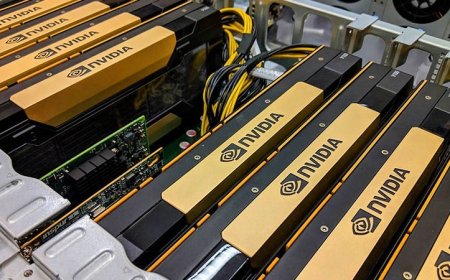
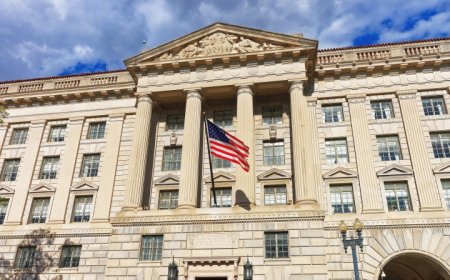
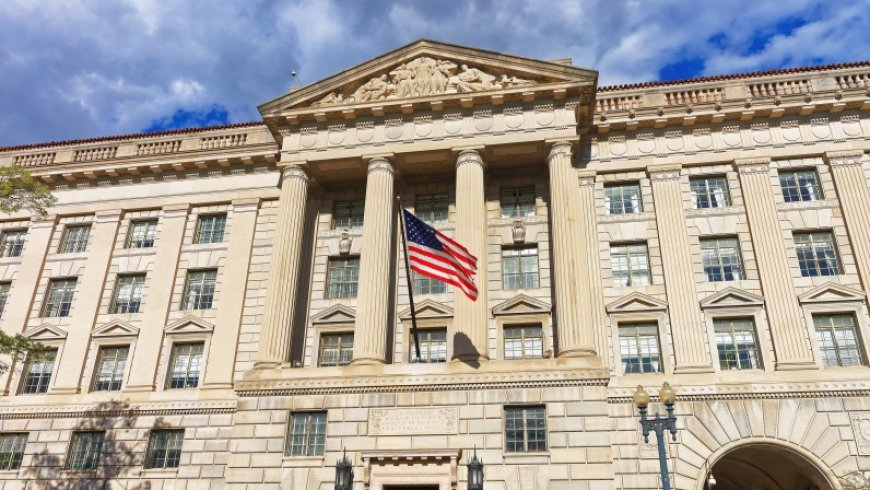
The Commerce Department's Bureau of Industry and Security added Megaspeed and six affiliated companies to its Entity List in a filing on Monday, November 23. From now on, any American firm that wants to ship them advanced technology — including Nvidia's top-end graphics processors used to train artificial intelligence systems — must first obtain an export licence, which is likely to be denied.
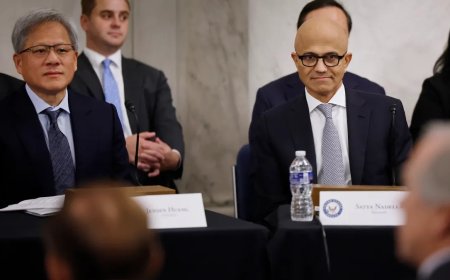
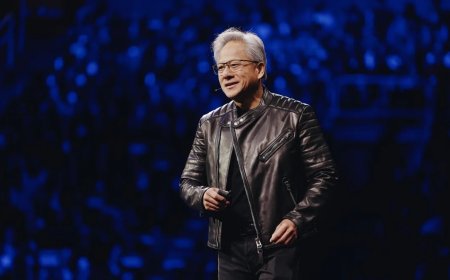
The decision landed hours after Nvidia's board reinstated Jensen Huang as chief executive, reversing his resignation less than two weeks earlier in one of the most dramatic boardroom turnarounds in the chip industry's history.
Seven companies named in the filing
Alongside Megaspeed International, the listing covers MSFusion, PT Megaspeed International and Speedmatrix in Malaysia; Apex Enterprise Solutions and Swiftdata in Singapore; and Megaspeed in Thailand. The Bureau of Industry and Security said the additions were made "because of the significant risk of these entities being or becoming involved in the diversion of advanced computing commodities to unauthorised end uses or end users."
Malaysia's Ministry of Investment, Trade and Industry later said that, based on official records, PT Megaspeed International is not a Malaysian entity — a detail that underlines how murky the corporate web around Megaspeed remains.
In one notable departure from recent listings, the interim rule left out the footnote that usually extends export controls to foreign-made products containing American technology. The omission narrows the practical reach of the ban, though the companies themselves are now barred from buying US technology directly.
Alibaba's subsidiary caught in the net
The most surprising name on the list is Apex Enterprise Solutions, a Singapore subsidiary of Alibaba. Megaspeed used its relationship with Alibaba to secure its designation as an official Nvidia cloud partner, and Apex paid around US$4.2 billion to Megaspeed and other companies as a prepayment to rent computing capacity in Southeast Asia, securing some of their assets as collateral in return.
Speedmatrix, the Malaysian subsidiary, pledged its entire business as collateral to Apex as part of that deal. Corporate filings show the company held assets of about 8.8 billion ringgit, roughly US$2.14 billion, at the end of 2024.
Alibaba rejected the listing outright. "Adding Apex Enterprise Solutions to the Entity List is erroneous because Apex has never diverted advanced computing chips subject to US export restrictions," the company said in a statement, adding that it would "seek all legal avenues to protect our rights and reputation."
A two-year investigation, and a scandal that would not wait
Megaspeed has been under investigation by US authorities since 2024 over whether it helped Chinese customers obtain advanced Nvidia chips that Washington bars from sale to China. In June 2025, Nvidia placed the firm on its own "no sell" list, but the Commerce Department never followed with its own blacklist — a delay that became a public fight inside the administration.
On November 13, Treasury Secretary Scott Bessent openly complained that Commerce had still not acted, saying his department, the State Department and the US Trade Representative had supported adding Megaspeed to the list for months. Bessent later blamed Commerce Secretary Howard Lutnick for the delay, and the two men reportedly confronted each other over the issue.
The affair at the heart of the scandal broke into the open about two weeks ago, when news emerged that Jensen Huang had been romantically involved with Alice Huang, Megaspeed's controlling shareholder and former top executive, whom US authorities suspect of working with China's Ministry of State Security. The New York Times reported last month that US officials had concluded she was a Chinese intelligence asset who passed information to Beijing — an allegation Reuters said it could not independently verify, and which China has called "groundless".
Megaspeed has said Alice Huang left the company in August 2025, and a week ago it issued a statement saying it conducts legitimate and lawful business, including complying with US export controls. It did not immediately respond to requests for comment on the blacklisting.
Congress wants answers anyway
The listing has not quieted the political fallout. Senator Pete Ricketts, a Nebraska Republican, said the Commerce Department "still needs to explain to Congress why this took so long," while Senator Maria Cantwell, a Democrat from Washington, called for a broader investigation into how the department handled export controls and said the blacklisting "does not absolve Commerce from answering to Congress."
Democrats in the House of Representatives opened a probe last week into whether Nvidia exerted influence over the Commerce Department's handling of the Megaspeed investigation. The Justice Department, which is investigating whether Megaspeed broke federal export control laws, said last week alongside Commerce that it would "bring the full extent of the law against Megaspeed for any criminal conduct that may have occurred."
Singapore, where Megaspeed is based, is running its own investigation. Prime Minister Lawrence Wong said on Tuesday that Singapore would continue its probe, after US and Singapore law enforcement conducted an on-site visit in 2025 and interviewed Alice Huang. Singapore said earlier this month it had received "limited" assistance from the US in its investigation, despite repeated requests to the FBI and the Justice Department.
The blacklisting is the first time the Commerce Department has added any entities to the list since October 2025. It also comes as the administration has held off adding more than 100 other companies flagged as national security risks — including China's AI startup DeepSeek and memory chipmaker CXMT — in an effort to avoid escalating tensions with Beijing.
Whether the listing closes the Megaspeed affair is far from clear. The Justice Department investigation continues, Congress is demanding testimony, and Nvidia itself has said it recently formed an export control committee to oversee trade compliance and national security risks. For now, though, the company at the centre of the scandal can no longer buy the chips that made it valuable.
Sources
- Channel News Asia — US blacklists Alibaba subsidiary and Megaspeed over Nvidia scandal
- Reuters — US to blacklist Megaspeed chip firm linked to Nvidia scandal, source says
- Al Jazeera — US adds Megaspeed to trade blacklist as Nvidia's Huang returns as CEO
- Business Standard — US blacklists Megaspeed, firm at centre of Nvidia chip-smuggling probe
- New York Post — Commerce Department blacklists Megaspeed after Nvidia reinstates Jensen Huang as CEO
What's Your Reaction?
 Like
0
 Dislike
0
 Love
0
 Funny
0
 Angry
0
 Sad
0
 Wow
0