





















Xiaomi 18 Pro Takes Aim at Samsung With a Privacy Display That Knows When Someone Is Looking
Xiaomi is preparing to launch the Xiaomi 18 Pro and 18 Pro Max in China on September 23, bringing a new hardware-based Smart Privacy Display that takes Samsung’s Galaxy S26 Ultra concept a step further. Alongside the privacy technology, Xiaomi has teased a 2nm flagship chipset, 4,000-nit display, dual 200MP Leica cameras, huge batteries and a secondary rear display.

Xiaomi Is About to Launch Its Most Interesting Flagship Yet
Xiaomi is getting ready to unveil its next flagship generation, and the Xiaomi 18 Pro is arriving with a feature that could make everyday smartphone use noticeably more private. The company has confirmed that the Xiaomi 18 Pro series will launch in China on September 23 at 7:00 p.m. local time, with the Xiaomi 18 Pro and Xiaomi 18 Pro Max expected to headline the event.
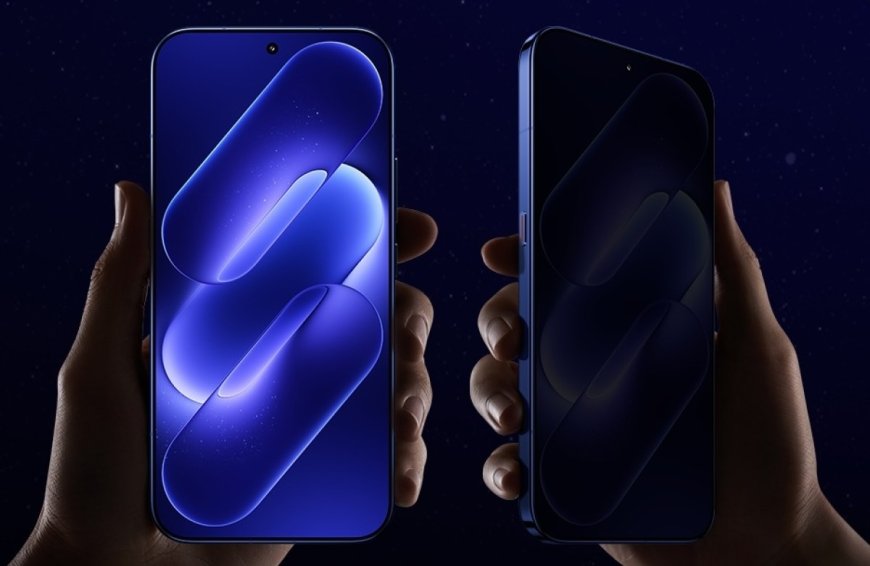
The biggest talking point before launch is the new Smart Privacy Display. Like Samsung's Privacy Display on the Galaxy S26 Ultra, Xiaomi's technology is built directly into the display hardware rather than relying on a privacy screen protector. But Xiaomi says its implementation can do more than simply narrow the viewing angle: the phone can automatically activate privacy protection in certain situations, including selected apps, locations and when its front camera detects someone looking over the user's shoulder.
A Privacy Screen That Actually Changes How the Display Works
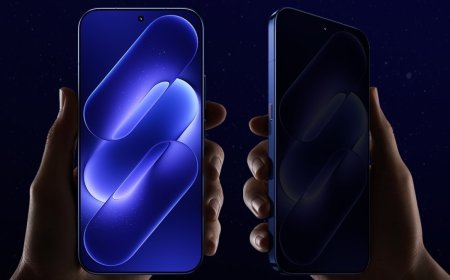
The technology is part of Xiaomi's new Super Pixel 2.0 display system. Xiaomi says the panel combines normal pixels with dedicated privacy pixels containing microscopic physical structures that restrict the direction of emitted light. When privacy mode is switched on, the regular pixels are turned off and the privacy pixels remain active. From directly in front, the user can continue viewing the screen, while Xiaomi says brightness at angles beyond 60 degrees can fall to roughly 1% of the front-facing output.
The more interesting part is how Xiaomi plans to control it. Users can activate privacy mode from Quick Settings, through the phone's AI key or voice commands, while software rules can reportedly enable it automatically for specific apps or pages. Xiaomi also says the front-facing camera can detect a potential “shoulder surfer” and trigger privacy protection. That could be particularly useful for banking apps, private messages and other information people don't necessarily want visible to someone sitting beside them.
Xiaomi Is Trying to Avoid Samsung's Main Trade-Off
Samsung's Galaxy S26 Ultra made hardware-level privacy one of its headline features, but privacy displays can come with compromises. Xiaomi is taking a different approach with its full RGB Super Pixel 2.0 architecture. According to Xiaomi's claims, the design uses around 9.5 million subpixels on the larger model and aims to maintain normal viewing quality when privacy mode is disabled, rather than sacrificing everyday screen quality simply to gain privacy.
The display itself is also shaping up to be seriously high-end. Xiaomi has confirmed an M11 luminescent material, up to 4,000 nits peak brightness, improved efficiency and extremely thin 0.99mm bezels. The company says the new panel can offer high visual quality while consuming less power than conventional 2K-resolution displays.
And Then There Are the Cameras
The display isn't the only headline feature. Xiaomi is also pushing hard on photography, with the 18 Pro series expected to feature a Leica-developed triple-camera setup built around two 200MP cameras. Reports indicate a 200MP primary camera will be paired with a 200MP periscope telephoto camera and a 50MP ultrawide camera.
That combination could make the telephoto camera particularly interesting. Instead of treating the 200MP sensor simply as a giant number for marketing, Xiaomi appears to be using high-resolution hardware across both the main and zoom portions of the camera system. The real test, however, will come after launch when reviewers can see how the sensors perform in low light, portrait photography and long-range zoom.
The Battery Numbers Are Getting Serious
Xiaomi is also going big on battery capacity. The Xiaomi 18 Pro is expected to pack a 7,000mAh battery, while the 18 Pro Max could reach 8,500mAh. That's an enormous amount of battery for a flagship smartphone and could become one of the series' biggest practical advantages for heavy users. Reports also point to 100W wired charging, although Xiaomi has yet to reveal every charging detail ahead of the launch.
The Pro Max in particular looks like it is being positioned as a battery monster. A huge battery combined with a more efficient display and a next-generation chip could give Xiaomi plenty of room to compete with other premium phones on endurance rather than simply chasing benchmark numbers.
A New 2nm Chip Will Power the Show
Performance is another major part of the upgrade. Xiaomi has confirmed that the 18 Pro series will use a 2nm flagship mobile platform, although the company had not officially named the processor in the information available before launch. Current reports point toward Qualcomm's upcoming Snapdragon 8 Elite Gen 6 family.
Moving to a 2nm manufacturing process could bring improvements in performance and power efficiency, but the exact real-world gains will depend on the final chip, cooling system and Xiaomi's software tuning. Until the September 23 event, those details should be treated as expected rather than fully confirmed specifications.
The Rear Screen Is Coming Back Too
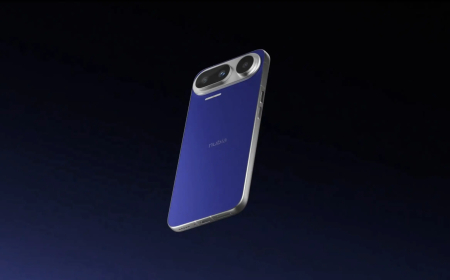
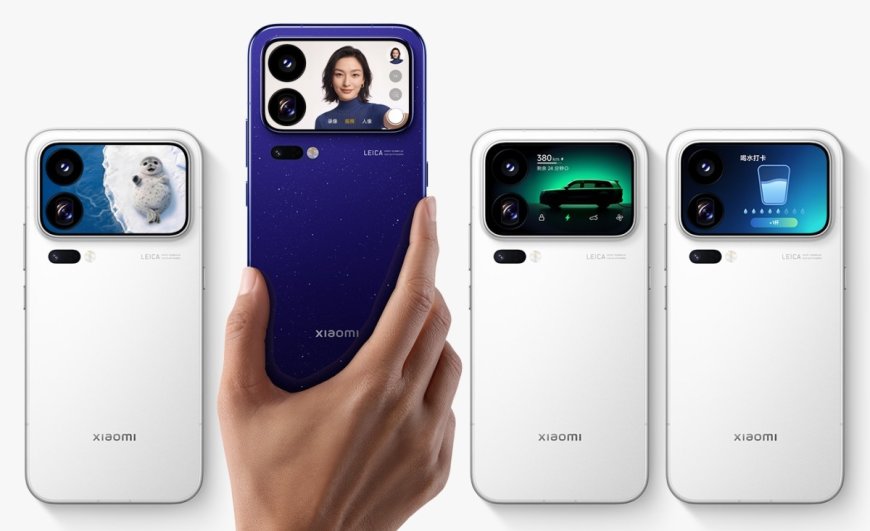
Xiaomi isn't abandoning the unusual secondary display introduced with its recent flagship phones. The 18 Pro series is expected to continue using a display on the rear camera module, with Xiaomi teasing an upgraded “Versatile Back Screen.” The company has suggested that the rear display will offer more functions than simply acting as a viewfinder or decorative screen, with reports pointing toward additional customization and AI-related capabilities.
That gives the Xiaomi 18 Pro a surprisingly long list of headline features before its official unveiling: a hardware privacy display, AI-assisted privacy detection, a 2nm processor, dual 200MP Leica cameras, a huge battery and a rear display.
Xiaomi 18 Pro vs Galaxy S26 Ultra: The Privacy Battle
The comparison with Samsung's Galaxy S26 Ultra is inevitable because Samsung introduced the hardware-based Privacy Display concept to the mainstream flagship market. Xiaomi's approach appears to follow the same basic principle but adds more software controls and automated triggers. Xiaomi is also emphasizing its full-RGB display architecture and claims that normal viewing quality remains intact when privacy mode is switched off.
That doesn't automatically make Xiaomi's implementation superior. The real comparison will depend on brightness, viewing quality, power consumption, activation speed and how accurately the automatic detection works in everyday situations. Those are things specifications alone cannot settle.
The Xiaomi 18 Pro Launch Is Almost Here
With the September 23 event only days away, most of the mystery now surrounds the details Xiaomi has not yet revealed: final processor branding, complete camera specifications, charging capabilities, pricing and availability outside China. The company has confirmed the Chinese launch, while global availability and exact international configurations remain less certain.
What is already clear is that Xiaomi isn't treating the 18 Pro as a routine yearly upgrade. The company is attacking several areas at once — privacy, displays, cameras, battery life, AI features and processing power. And perhaps the most interesting part is that one of its biggest selling points isn't about making the screen brighter or faster. It's about making sure the person standing next to you can't see what's on it.
The Xiaomi 18 Pro officially arrives on September 23, 2026, and that's when the remaining pieces of the flagship puzzle should finally fall into place.
What's Your Reaction?
 Like
0
Like
0
 Dislike
0
Dislike
0
 Love
0
Love
0
 Funny
0
Funny
0
 Angry
0
Angry
0
 Sad
0
Sad
0
 Wow
0
Wow
0