



















































Samsung and WiPQTUS Settle Four-Year Wireless PowerShare Patent Dispute Out of Court
Samsung, chip supplier Renesas and patent holder WiPQTUS have settled the nearly four-year US patent lawsuit over Wireless PowerShare on Galaxy phones, withdrawing all claims on November 10, 2026. The court never ruled on whether the feature infringed WiPQTUS's 2018 patent, and the settlement terms were not disclosed.
Samsung and WiPQTUS Settle Four-Year Wireless PowerShare Patent Dispute Out of Court
Samsung has settled a patent infringement lawsuit over the Wireless PowerShare feature on its Galaxy phones, bringing a legal battle that lasted nearly four years to a quiet end. Samsung, chip supplier Renesas Electronics America and patent holder WiPQTUS submitted a joint agreement on November 10, 2026, withdrawing all patent infringement claims as part of an out-of-court settlement.
Under the agreement, WiPQTUS will not sue Samsung over the same issue again. The court did not issue a formal ruling on whether Wireless PowerShare actually infringed the patent, and the judge is expected to formally close the case within the next few days. The financial terms of the settlement, including whether any licence is involved, were not disclosed.
For Galaxy owners, nothing changes. Wireless PowerShare keeps working exactly as before, and no software update is expected to remove or alter the feature.
What the lawsuit was about
WiPQTUS Inc. filed the lawsuit against Samsung Electronics in February 2023 in the US District Court for the Eastern District of Texas. The company alleged that Wireless PowerShare, the reverse wireless charging feature on Galaxy phones, infringed its 2018 patent titled "Dual Mode Wireless Power Receiver" (US Patent 10,038,339).
WiPQTUS is described as a non-practicing entity, meaning it does not manufacture or sell products. Instead, it generates revenue by asserting the patents it holds against other companies.
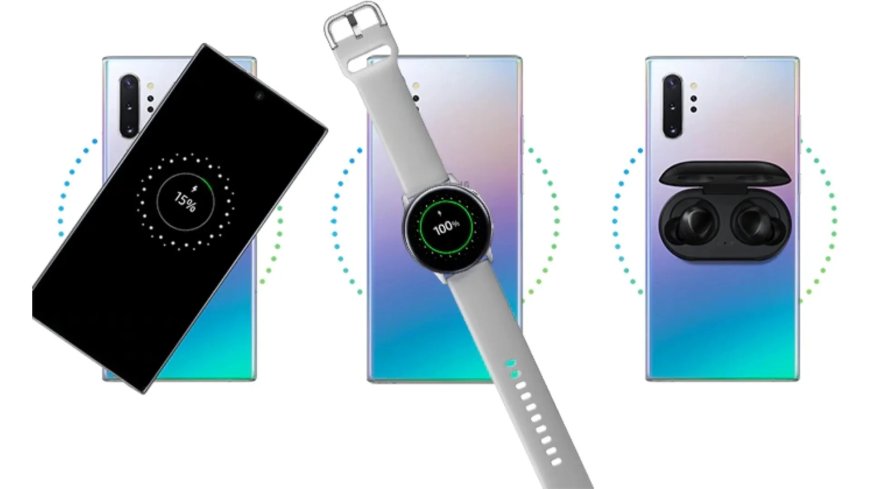
Wireless PowerShare lets Galaxy phone owners charge a second device simply by placing it on the back of their handset. It works with Galaxy Watches, Galaxy Buds, other Galaxy phones and any Qi-compatible device. The feature debuted with the Galaxy S10 in 2019 and has appeared on Samsung flagships ever since.
The Galaxy phones named in the complaint
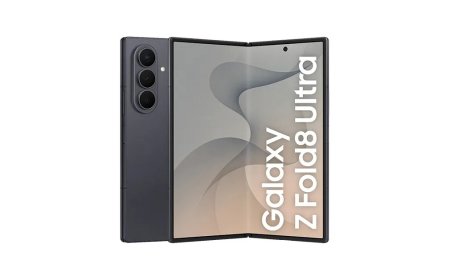
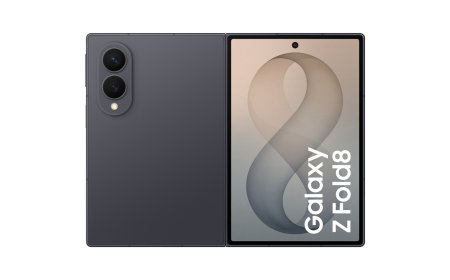
The complaint named a long list of Samsung's premium phones, starting with the Galaxy S10 series and including the Galaxy S20, Galaxy S21 and Galaxy S22 series, the Galaxy Note 10 and Galaxy Note 20 series, and the Galaxy Z Flip and Galaxy Z Fold foldable lines.
That list covers nearly every flagship Samsung sold between 2019 and 2022, which is why the case drew close attention in the smartphone industry. A ruling against Samsung could, in theory, have affected one of the company's most recognisable convenience features.
Renesas joined the fight to defend its chips
After Samsung was sued, the company that supplied the wireless charging chips inside the phones joined the legal battle. Renesas Electronics America Inc. filed a countersuit against WiPQTUS, arguing that its chips did not infringe the patent.
Renesas's involvement turned the case into a three-way dispute. Its countersuit meant the court would have had to weigh not only whether Samsung's feature infringed, but also whether the underlying chip hardware did. With the settlement, none of those questions will now be answered in court.
What the settlement means
The settlement ends the claims without a verdict, so the outcome should not be described as either a finding of infringement or a ruling that Samsung was cleared. That distinction matters: the court never decided whether Wireless PowerShare actually used WiPQTUS's patented technology.
What is settled is the litigation itself. All three parties agreed to drop their claims and not to bring another lawsuit over the same issue, closing a dispute that ran for three years and nine months from filing to settlement.
The case also fits a wider pattern of Samsung resolving patent disputes in the Eastern District of Texas, a court that has become a frequent venue for patent litigation against technology companies. Settling out of court removes the risk of a costly jury verdict and the uncertainty of a long appeals process.
Why it matters for Galaxy users
Wireless PowerShare has become a standard part of Samsung's flagship experience. It is the feature owners reach for when a friend's phone is dying, a watch needs a top-up on the go, or earbuds run low away from a charger. Keeping it unchanged matters more to most owners than the legal arguments behind it.
The settlement also removes a lingering question mark over Samsung's Galaxy phone line-up at a time when the company is pushing foldables and new flagships. With the case closed, Samsung can keep shipping the feature without the threat of an injunction hanging over it.
Sources
What's Your Reaction?
 Like
0
 Dislike
0
 Love
0
 Funny
0
 Angry
0
 Sad
0
 Wow
0