










Meta’s Next Big AI Hardware Bet Could Arrive in 2027
Meta is reportedly preparing Project Phoenix, a new hardware initiative that could become one of the company's biggest bets on AI-powered consumer technology. The project is expected to arrive in early 2027, although Meta has not publicly confirmed a final launch date. If the reports prove accurate, Phoenix could mark another major step in Meta's effort to bring AI deeper into everyday life.

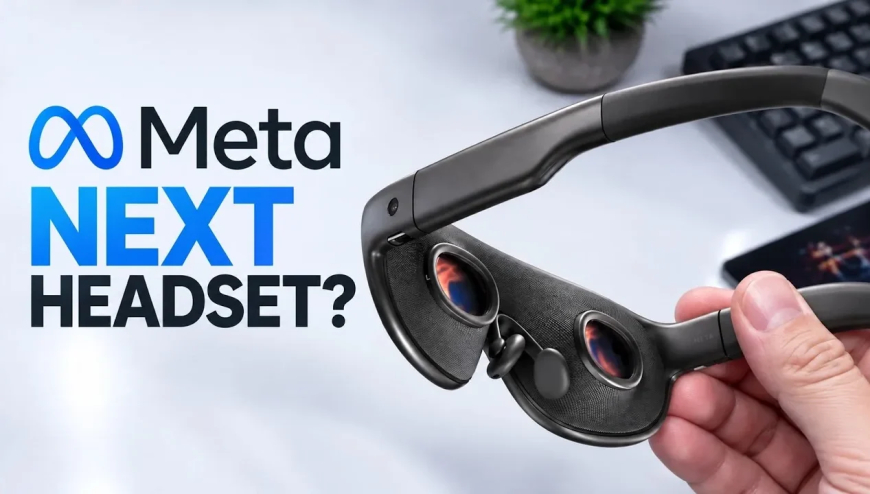
Meta may have another major piece of hardware in the works
Meta has already spent years investing heavily in artificial intelligence, virtual reality and wearable technology. Now, the company could be preparing another major project that brings those technologies even closer together. Known internally as Project Phoenix, the reported device is expected to launch in early 2027, although the company has not officially confirmed the product or a specific release date. If the reports are accurate, Phoenix could become an important part of Meta's broader strategy to make AI something people interact with throughout their daily lives rather than something they only open through an app.
Why Project Phoenix matters
Meta's interest in AI hardware isn't particularly surprising. The company has already demonstrated that people are willing to interact with AI through physical devices, particularly with its Ray-Ban smart glasses. Those glasses have helped Meta explore a different way of using AI: instead of reaching for a phone and typing a question, users can simply speak to an assistant while going about their day. Project Phoenix could represent an attempt to push that idea further, potentially creating hardware designed around AI from the beginning rather than adding AI as just another software feature.
Meta is betting on AI beyond the smartphone
For years, the smartphone has been the center of our digital lives. Almost everything happens through a screen, an app and a touchscreen. Meta appears to believe that the next generation of computing could be more natural and less dependent on traditional screens. AI assistants, smart glasses and other wearable devices could allow people to communicate with technology through voice, cameras and context instead of constantly looking down at a phone. Project Phoenix would fit neatly into that vision if Meta can turn the concept into a product that people actually want to use.
The biggest challenge will be making it useful
Creating impressive AI technology is one thing. Convincing millions of people to carry or wear a new device every day is something completely different. Meta will need to give Phoenix a clear reason to exist. It will have to offer something that smartphones and existing wearables cannot easily provide, while also delivering good battery life, privacy protections, reliable AI responses and a comfortable user experience. If the device feels like an expensive solution searching for a problem, consumers may simply ignore it.
Meta has plenty of competition
Meta is not working in an empty market. Technology companies around the world are exploring AI-powered hardware, while Apple, Google, OpenAI and numerous startups are looking at ways to move AI beyond conventional applications. The race is increasingly about controlling the next interface between humans and computers. Whoever manages to create a device that makes AI feel genuinely useful and natural could have a major advantage in the next era of consumer technology.
Early 2027 could be an important moment
If Project Phoenix really does arrive in early 2027, Meta will enter a market that could look very different from today's AI landscape. AI assistants are likely to be more capable, autonomous agents could be handling more everyday tasks, and wearable technology may have become considerably more intelligent. That would give Meta an opportunity to build on everything it has learned from its existing AI and smart-glasses products.
For now, however, Phoenix remains a reported project rather than a fully confirmed consumer product. Meta has not provided all the details that consumers would normally expect before a major hardware launch, so the exact design, capabilities, price and availability remain uncertain.
The bigger picture
Whether Project Phoenix becomes a major success or simply another experiment, Meta's direction is becoming increasingly clear. The company doesn't want AI to remain trapped inside chat windows and smartphone apps. It wants AI to become part of the physical world around us.
That could eventually mean glasses that understand what you're looking at, assistants that remember context throughout the day, and devices that can perform tasks without requiring you to constantly interact with a screen.
If Meta can make that vision practical, Project Phoenix could be much more than another gadget. It could be a glimpse at what Meta thinks computing will look like after the smartphone.
What's Your Reaction?
 Like
0
Like
0
 Dislike
0
Dislike
0
 Love
0
Love
0
 Funny
0
Funny
0
 Angry
0
Angry
0
 Sad
0
Sad
0
 Wow
0
Wow
0