




























































Jensen Huang Financed AI Startups to Buy Nvidia's Own Chips, Wall Street Journal Reports
A Wall Street Journal report says former Nvidia chief executive Jensen Huang used the chipmaker's balance sheet to finance AI startups and cloud operators so they would keep buying its graphics processors, as prepaid orders from TSMC piled up and large cloud customers shifted to their own chips. Interim chief executive Colette Kress pushed back in August 2026 and cut the OpenAI guarantee cap from 250 billion dollars to 125 billion dollars.
Jensen Huang Financed AI Startups to Buy Nvidia's Own Chips, Wall Street Journal Reports
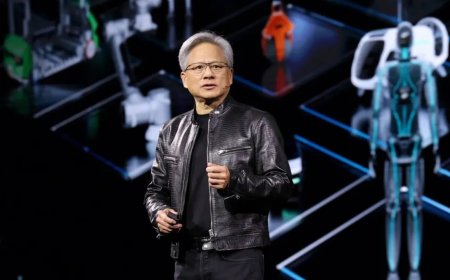
Former Nvidia chief executive Jensen Huang used the chipmaker's own balance sheet to finance AI startups and data-centre operators so they would keep buying its graphics processors, rather than letting a surplus of chips push prices down, according to a Wall Street Journal report published on Thursday, November 12. The account, relayed by Wccftech on November 13, lands days after Huang's resignation and adds a new strand to the questions now facing Nvidia's interim leadership.
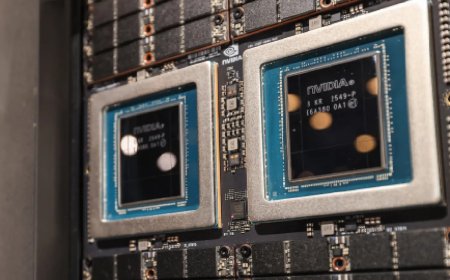
At the centre of the report is what Huang privately described as an "avalanche" of prepaid silicon and memory that Nvidia had already committed to buy from Taiwan Semiconductor Manufacturing Company (TSMC). Instead of allowing that surplus to reach the open market, the company allegedly funded the customers that would absorb it — a practice critics call circular financing, because the company's money helped buyers purchase its own products.
The August meeting between Huang and Kress
The report describes a tense meeting in August 2026 between Huang and Nvidia's longtime chief financial officer, Colette Kress, who is now serving as interim chief executive after Huang's resignation. Kress pushed to rein in the company's circular-financing commitments to smaller cloud providers and major AI firms such as OpenAI and Anthropic, the Journal reported.
Early discussions had floated underwriting roughly eight gigawatts of OpenAI computing capacity, valued at up to 250 billion dollars. Kress succeeded in scaling Nvidia's signed guarantee cap down to about 4.25 gigawatts, or up to 125 billion dollars, according to the report. Huang reportedly belittled Kress for questioning the deals, referring to her as "a deer in the headlights."
Kress's pushback is now part of a wider picture of her time as chief financial officer. A Reuters profile published after her appointment as interim chief executive described her as the executive who challenged Huang's riskiest bets, including a 250 billion dollar plan for an Ohio data centre with OpenAI that was later pared back. That profile is covered in our earlier article on Colette Kress, Nvidia's interim chief executive.
An avalanche of prepaid silicon
To justify underwriting OpenAI and smaller cloud operators, Huang privately acknowledged that the big cloud companies were shifting part of their workloads to their own custom chips, the report says. With hyperscalers such as Amazon, Microsoft and Google reducing their reliance on off-the-shelf parts, the volume of prepaid TSMC wafers and memory Nvidia had committed to buying was, in Huang's words, "coming at him like an avalanche."
By funding data-centre expansion for AI startups, Nvidia effectively created demand to clear its own surplus silicon instead of letting supply flood the market and force GPU prices down, according to the account. The company has since contacted TSMC to wind down its upcoming chip orders, the report says.
Industry analyst Ed Zitron has separately estimated that at least 200 billion dollars worth of Nvidia AI GPUs are sitting idle in warehouses after being bought by cloud providers that lacked either the electrical capacity or the immediate user demand to switch them on. That is an analyst estimate, not a figure confirmed by Nvidia.
The numbers behind the report
SemiAnalysis, analysing a note in Nvidia's latest quarterly filing, put the company's total commitments and guarantees at about 530 billion dollars, up from 184 billion dollars a quarter earlier — a near-tripling in three months. Much of that money, the Journal's account suggests, exists to pay Nvidia's own customers to keep buying its chips.
Nvidia shares fell about 13 percent in the week the report emerged, its worst week since April 2025, wiping roughly 573 billion dollars from the company's market value. The slide added to a rough stretch for AI-related stocks that was already under way, as covered in our report on Friday's slide in neocloud and AI stocks.
What Nvidia says, and what is not proven
Nvidia has long rejected the circular-financing label, and Huang has previously dismissed the idea. The company has not confirmed the Journal's account, and no formal investigation has been publicly confirmed. The Wall Street Journal's original report is paywalled, and this article is based on the Wccftech relay and other published summaries of it.
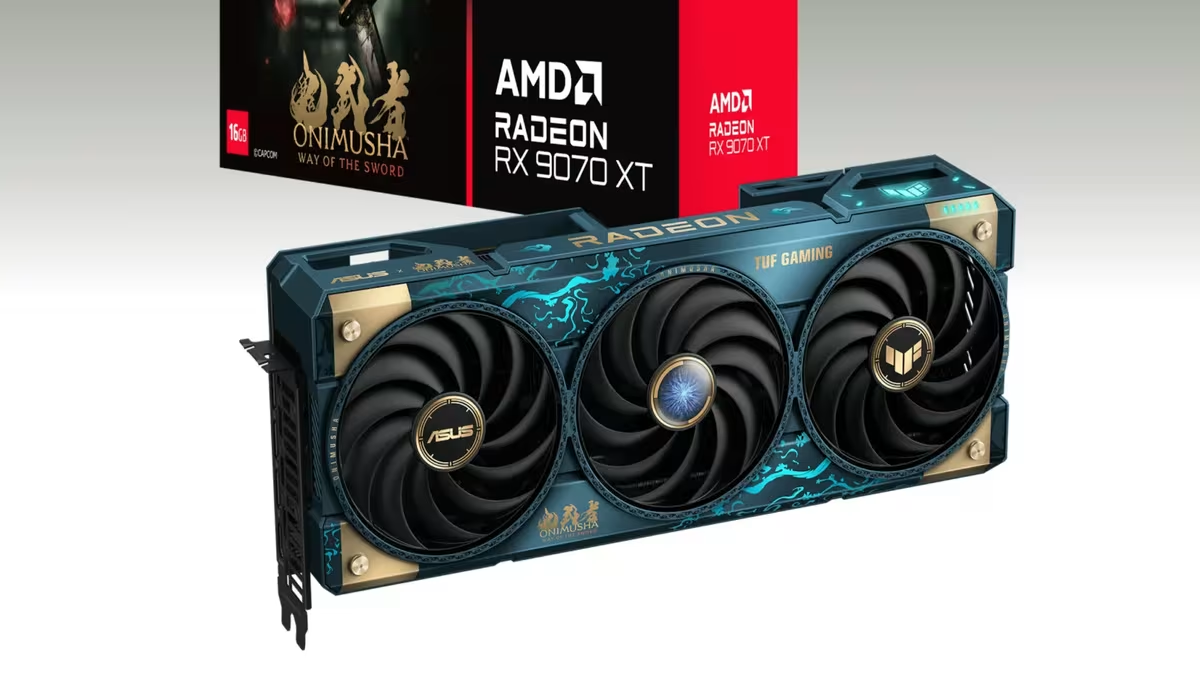
It is also worth keeping the claims in proportion. The report describes financing meant to move surplus data-centre chips. The link between that financing and the prices of graphics cards and memory on store shelves is the relay's interpretation, not something the passages attributed to the Journal establish. For PC builders, though, the disclosures challenge a shortage narrative that has shaped years of steep GPU and memory pricing.
The report is the latest in a run of revelations about Huang's final months in charge, including a Reuters exclusive that he misled Nvidia's top lawyer about his relationship with Chinese businesswoman Alice Huang, covered in our article on Huang misleading Nvidia leaders over the Alice Huang affair. The fallout has also reached Nvidia's business in China, where 3.2 billion dollars of AI projects are now at risk.
What happens next
Nvidia reports third-quarter results on Tuesday, November 17 — its first earnings since Huang's departure, with Kress presenting as interim chief executive. The results, and what Kress says about the company's financing commitments, will be the first test of how the new leadership plans to handle the guarantees Huang built up.
Sources
- Wccftech — "Instead Of Lowering GPU Prices, Former NVIDIA CEO Jensen Huang Reportedly Financed AI Startups To Absorb Excess Silicon" (November 13, 2026), relaying The Wall Street Journal
- The Wall Street Journal — investigation as reported by Wccftech (published Thursday, November 12, 2026; paywalled)
- PakTechStan — "Huang Financed AI Startups to Buy Nvidia's Own Chips as a TSMC Glut Loomed, WSJ Reports" (November 14, 2026)
- Dev.to — "$530B in guarantees: Nvidia funded its own demand" (November 14, 2026)
What's Your Reaction?
 Like
0
 Dislike
0
 Love
0
 Funny
0
 Angry
0
 Sad
0
 Wow
0