
























































After Huang's Resignation, Congress Pushes New Laws to Choke Off China's AI Chip Supply
Congress is moving to tighten US controls on advanced AI chip sales to China after Jensen Huang's resignation, with House Speaker Mike Johnson saying there is growing consensus behind new restrictions — and Chinese AI firms are already rushing to rent Nvidia computing power at data centres outside China.
After Huang's Resignation, Congress Pushes New Laws to Choke Off China's AI Chip Supply
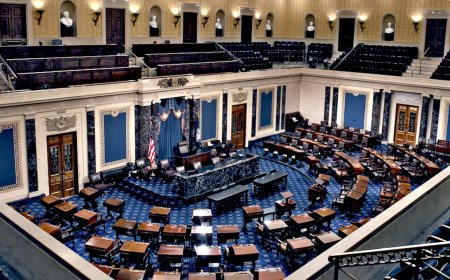
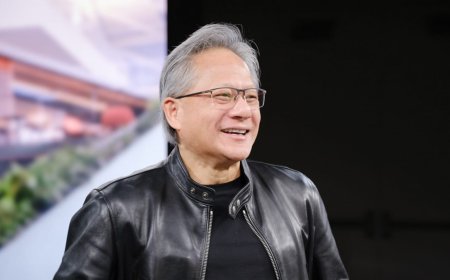
The scandal that forced Jensen Huang out of Nvidia is now reshaping American technology policy. Congress is moving toward tougher restrictions on China's access to advanced artificial intelligence chips, House Speaker Mike Johnson said on Thursday, with lawmakers from both parties pushing new laws — and some hoping to attach them to the annual defence authorisation bill, the must-pass legislation that funds the military.
Johnson said there was growing consensus in Congress in favour of new restrictions after the scandal forced out Huang. The message from Capitol Hill is that the affair was not only a personal failure but a policy failure, and that the export control system that allowed Nvidia's chips to reach China needs to be rebuilt.
The bills on the table
Three proposals are at the centre of the debate, and a Senate version of the defence bill already includes several of them.
The AI Overwatch Act, sponsored by Democratic Senator Elizabeth Warren and Republican Senator Jim Banks, would give Congress a larger role in reviewing changes to export rules. Its supporters say it would make it harder for future administrations to loosen restrictions on sales of advanced chips to China.
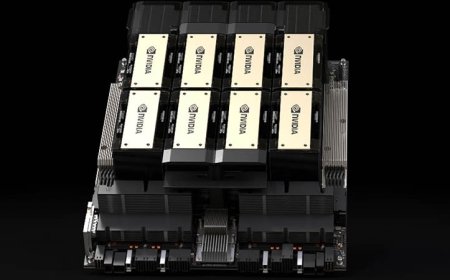
The Chip Security Act would require chipmakers to track the location of advanced AI processors and notify the government if they suspect chips have reached prohibited users. It is aimed at a recurring problem: advanced chips legally sold abroad that are later diverted to China.
The Match Act would pressure US allies to restrict sales and maintenance of advanced chipmaking equipment destined for China. Allies such as the Netherlands, home to ASML, and Japan, home to Tokyo Electron, make the tools used to manufacture semiconductors. The bill would not directly restrict Nvidia's chip sales.
The remote-access loophole
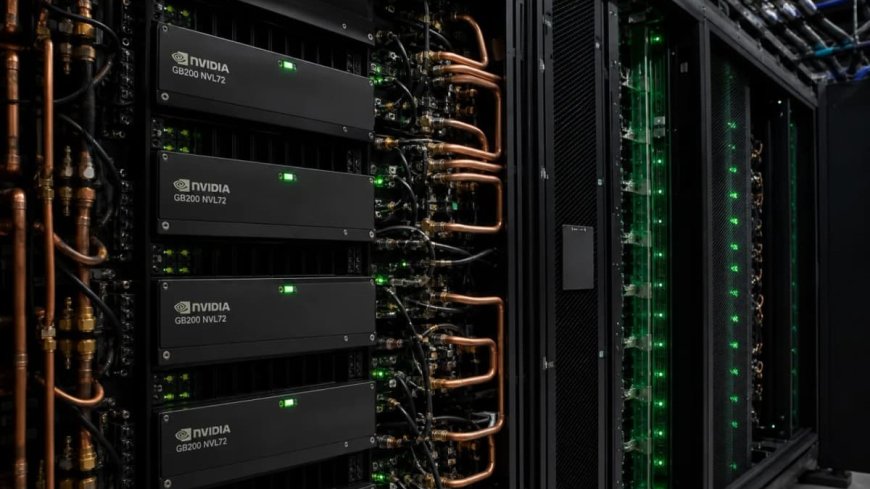
A fourth measure targets a workaround that has grown in importance. Instead of buying advanced chips directly, some Chinese firms rent computing power from overseas data centres equipped with Nvidia chips and access the systems remotely. The Remote Access Security Act would give the Commerce Department authority to regulate that activity. It passed the House in January and is awaiting Senate consideration.
That loophole is now closing in real time. Reuters reported on Thursday that Chinese AI companies are rushing to rent Nvidia-powered computing capacity at data centres outside China, concerned that the scandal could spur Washington to tighten restrictions on their remote use of advanced processors. Some firms have already contacted overseas data-centre operators to secure capacity, according to people familiar with the matter cited by Reuters, and grey-market buyers in China are stockpiling restricted Nvidia chips amid fears of tighter enforcement.
Beijing pushes back
Beijing has condemned the proposed restrictions, warning of "arbitrary disruption and damage" to global supply chains. Analysts say the measures would deepen the technology split between the United States and China, but they also note that Nvidia's direct exposure is small: the company's revenue from chip sales to Chinese data centres is near zero, according to an August company statement, and it does not expect that to change in the third quarter.
Sunny Cheung of the Jamestown Foundation said Huang's resignation was unlikely to end the scrutiny, and that the former chief executive was now more exposed than he had been in office.
Why it matters
The debate is no longer about one man's conduct. It is about whether the United States can keep its most powerful technology out of the hands of its main rival — and whether Congress, rather than the White House, will write the rules. The bills now moving through Congress would shift that power toward lawmakers, lock in restrictions that no future president could easily undo, and extend American controls from the chips themselves to the data centres that rent them out. China is already acting as if they will pass.
Sources
- Reuters — Tougher curbs on AI chip sales to China likely after Nvidia CEO resigns
- Reuters — Drama at Nvidia
- South China Morning Post
- Innopark IT — Nvidia CEO Jensen Huang Resigns; Colette Kress Named Interim CEO
- Innopark IT — Lutnick Stalled Trump's Nvidia Chip Crackdown on China
- Innopark IT — Nvidia Board Meets on Jensen Huang's Future Amid Ouster Reports
- Innopark IT — Nvidia Jensen Huang China Chip Spy Scandal Timeline Explained
What's Your Reaction?
 Like
0
 Dislike
0
 Love
0
 Funny
0
 Angry
0
 Sad
0
 Wow
0