
























































SK Hynix Reportedly Expanding HBM4 Output at Cheongju Plant as AI Memory Demand Outruns Supply
SK Hynix is reportedly in talks with equipment makers to expand HBM4 production at its Cheongju P&T6 plant, with industry sources estimating more than 20,000 extra wafers a month once the line is fully running. The move comes as the chipmaker says its DRAM and HBM output is effectively sold out through 2029.
SK Hynix Reportedly Expanding HBM4 Output at Cheongju Plant as AI Memory Demand Outruns Supply
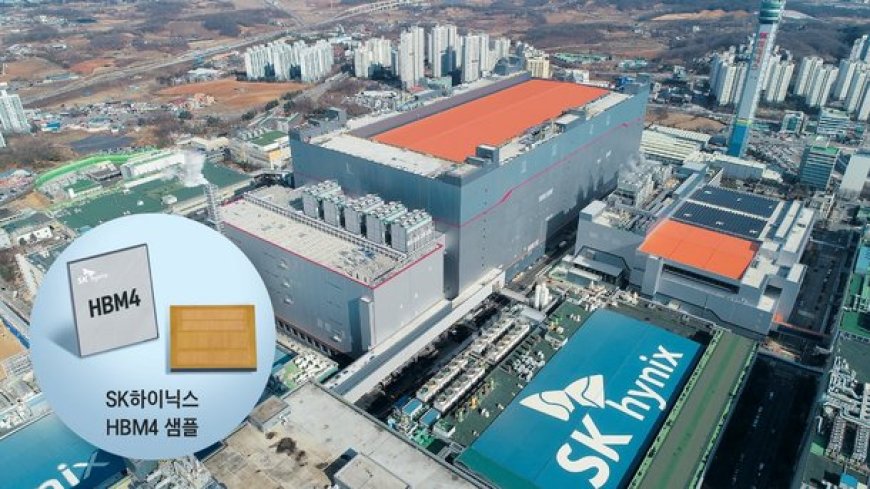
SK Hynix is moving to add more production capacity for HBM4, the high-bandwidth memory that sits at the heart of today's most powerful AI accelerators. According to a report by Korean newspaper ETNews on November 15, the company is in talks with semiconductor equipment makers to buy the tools needed to build out the next generation of memory, with the aim of getting the new line running in the first half of 2027.
The report is based on accounts from several people at equipment suppliers rather than an announcement from SK Hynix itself, and the company has not confirmed the size of the investment, the suppliers involved, or exactly when the new capacity will come online. What is clear is the direction of travel: demand for AI memory is running so far ahead of supply that even the world's leading HBM maker is racing to add capacity.
Back-end equipment first, with installation targeted for early 2027
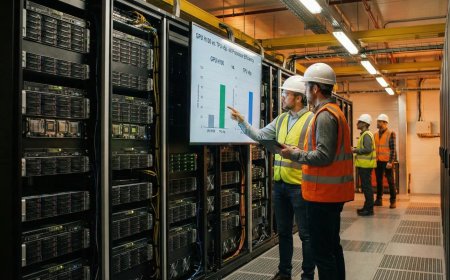
The equipment under discussion covers the back end of HBM production — the bonding that stacks memory dies on top of each other, the cutting that separates finished chips, and the inspection that checks them before they ship. That matters because HBM is not made like ordinary memory: the finished product is a tall stack of DRAM dies joined to a logic base die, so packaging and testing capacity can be just as much of a bottleneck as wafer production itself.
ETNews reported that SK Hynix is pushing for a fast schedule, asking some suppliers to deliver equipment as early as the first quarter of 2027, with installation and commissioning to follow in the first half of the year. The company itself has stayed vague on specifics. An SK Hynix official told the newspaper only that it has continued placing equipment orders in line with its plans and intends to respond to market expansion without disruption.
Cheongju P&T6 is the leading candidate for the new capacity
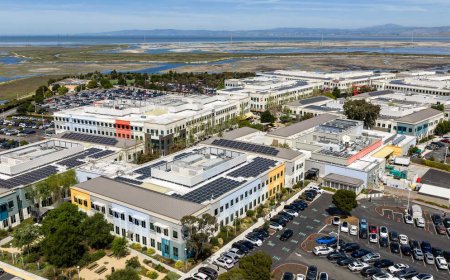
The most likely site for the expansion is the company's P&T6 plant in Cheongju, South Korea. The facility was formerly known as M8, and SK Hynix designated it as an HBM production base in 2025. Work on HBM manufacturing lines there has been under way since early this year, and the new plan would squeeze more output from the available space at the site.
Industry sources cited by ETNews estimated that once the P&T6 line is fully operational it could add HBM output equivalent to more than 20,000 wafers per month. For scale, the newspaper estimated SK Hynix's total HBM production capacity at the end of 2025 at around 150,000 wafers per month, which would put the addition at roughly 13 percent of that figure. Both numbers are industry estimates rather than figures published by SK Hynix, and the company has not confirmed them.
Why the expansion is happening now
The timing reflects a market where memory supply has become one of the main constraints on AI infrastructure. On its third-quarter earnings call last month, SK Hynix said that virtually all of its DRAM and HBM production volumes for the next three years, through 2029, are already sold out. The company reported third-quarter revenue of 104.6 trillion won in late October, with HBM4 shipments expanding and the new generation expected to overtake HBM3E in volume and revenue in the fourth quarter.
The report also comes against a backdrop of uncertainty around Nvidia, SK Hynix's largest HBM customer, following the resignation of chief executive Jensen Huang. The prevailing industry view, according to ETNews, is that AI semiconductor demand remains strong regardless, with alternative demand from companies such as AMD and Broadcom substantial even if Nvidia's business is disrupted.
One development may have made the expansion easier to execute. Nvidia recently lowered its target bandwidth for the HBM4 memory used in its next-generation Vera Rubin AI chip, setting a speed that is less demanding to manufacture. That eases the production burden on memory suppliers and is believed to have influenced SK Hynix's decision to move ahead with the additional capacity.
What remains unconfirmed
For all the detail in the report, several key facts are still open. It is not known whether formal purchase orders have been placed, what the contracts are worth, or whether Cheongju P&T6 is the final site selection. The 20,000-wafer figure is a forecast from industry sources, not a company commitment, and SK Hynix has made no official announcement about the expansion at all.
Even so, the direction is consistent with what the company has already said publicly: it is raising production capacity at its M15X fab in Cheongju to the maximum by the end of 2026 and expanding HBM4 output. If the equipment orders now being discussed turn into firm contracts, suppliers across the back-end equipment industry stand to benefit — and the world's tightest memory market would get a little more breathing room in 2027.
For readers following the wider AI memory story, the expansion also matters beyond SK Hynix. Evidence that export-banned Nvidia chips are behind some of China's most powerful AI models has kept HBM supply chains under scrutiny, while Google's newest TPU variants are adding another source of demand for high-bandwidth memory. More capacity from the market leader would ease pressure on both fronts. Chinese AI models show a Blackwell chip fingerprint | Google unveils TPU 8tx and 8i Max variants
Sources
- ETNews — "SK Hynix to Expand HBM4 Capacity as Demand Holds Firm Amid AI Uncertainty" (November 15, 2026), https://en.etnews.com/20261116200004
- XenoSpectrum — "SK hynix Plans HBM4 Expansion With New Equipment in 2027, but Supply Tightness May Persist", https://xenospectrum.com/en/sk-hynix-hbm4-pt6-capacity/
- AsiaAI.fyi — "SK hynix's HBM4 Ramp: P&T6 Adds 20,000 Wafers a Month", https://asiaai.fyi/sk-hynix-hbm4-cheongju-fab-expansion/
What's Your Reaction?
 Like
0
 Dislike
0
 Love
0
 Funny
0
 Angry
0
 Sad
0
 Wow
0