














Meta’s Next Smart Glasses Could Drop the Camera — and That Could Change Everything
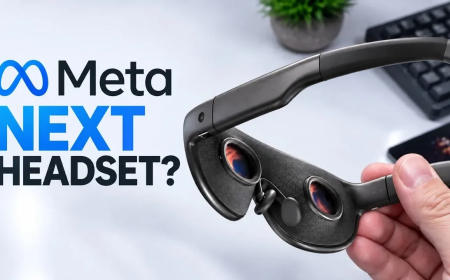
Meta is reportedly preparing a new pair of camera-free smart glasses for launch this fall, internally known as “Luna.” The move could mark an interesting shift for the company as privacy concerns surrounding camera-equipped wearable devices continue to grow.

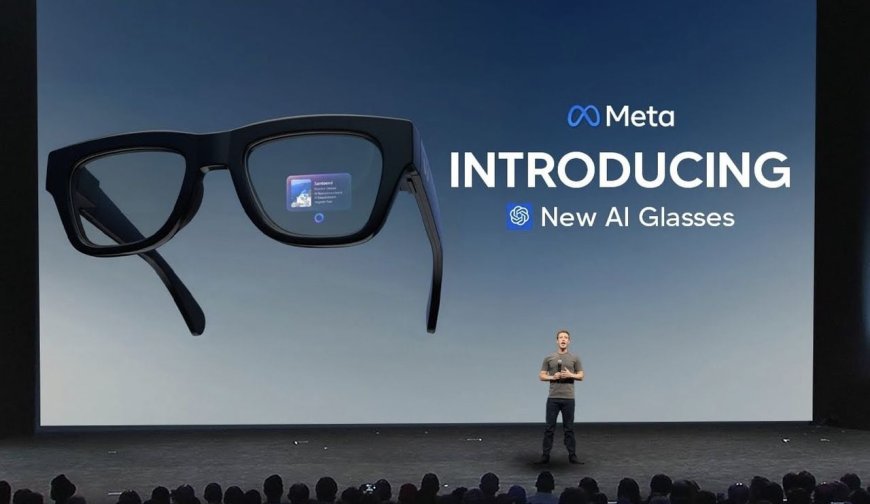
Meta May Be Rethinking What Smart Glasses Should Be
Meta is reportedly preparing something a little different for its next generation of smart glasses. According to The Information, the company is planning to release a camera-free pair of smart glasses this fall, internally known by the codename “Luna.” The report says the glasses are being developed as Meta continues to expand its wearable AI ambitions, but this time without one of the most controversial features of its existing smart-glasses lineup: the camera.
That detail may sound small, but it could actually be one of the most interesting things Meta has done in the smart-glasses market. Cameras have helped make devices such as Ray-Ban Meta useful for taking photos, recording video and giving Meta AI visual information about the world around the wearer. At the same time, putting a camera on something people can wear almost anywhere has created an obvious privacy problem. People don't always know when they are being recorded, and that has made smart glasses a difficult product to introduce into everyday social situations.
The Camera Was the Feature — and the Problem
Meta's existing smart glasses have pushed the idea that a pair of glasses can become a personal AI assistant. Instead of reaching for a phone, users can speak to Meta AI, listen to information, make calls, play music and use the glasses as a hands-free computing device. The camera adds another layer by allowing the AI system to understand what the wearer is looking at. Meta's newer smart-glasses products have increasingly moved toward this idea of an AI companion that is always available.
But the same camera that makes the glasses smarter also makes other people uncomfortable. A person sitting across from someone wearing camera-equipped glasses may reasonably wonder whether they are being photographed or recorded. That concern has become more visible as smart glasses have become more common, with recent reports highlighting situations where people felt uncomfortable or unaware that footage was being captured.
A camera-free design could therefore give Meta a way to make the technology feel less intrusive. Without an outward-facing camera, the glasses could concentrate on audio, microphones and AI-powered features while removing one of the biggest reasons people may hesitate to wear them around others.
Luna Could Be a Different Kind of AI Wearable
The reported Luna glasses are particularly interesting because Meta doesn't necessarily need a camera to make smart glasses useful. A lightweight device with microphones, speakers and access to an AI assistant could still handle conversations, calls, music, notifications and other hands-free tasks. Instead of trying to turn the glasses into a tiny camera mounted on someone's face, Meta could focus more heavily on making them an everyday interface for AI.
That could also make the product easier to accept socially. People already understand that someone wearing headphones might be listening to something. A camera on a pair of glasses creates a very different feeling because it can potentially capture the surrounding environment. Removing the camera doesn't solve every privacy concern — microphones and AI services still raise questions about data — but it changes the conversation considerably.
Meta Is Betting Big on Glasses
The reported Luna project also makes sense when viewed against Meta's larger strategy. The company has been investing heavily in AI-powered glasses and has been steadily expanding the technology beyond traditional smartphones. Meta's smart-glasses lineup has evolved from relatively simple connected eyewear into devices designed around AI assistance, with newer products adding features such as displays, visual information and real-time assistance.
Meta's growing investment comes as other major technology companies are also moving toward AI-powered eyewear. Google and its hardware partners are developing Gemini-powered smart glasses, while the broader industry is increasingly treating glasses as one possible successor to the smartphone for certain everyday tasks. Meta Connect 2026 is scheduled for September 23–24, making the coming weeks particularly interesting for anyone following the company's wearable strategy.
The Biggest Question Is Whether People Actually Want Them
There is still a major unanswered question: Will people actually want to wear AI glasses all day?
The technology can be impressive, but smart glasses have to overcome something smartphones never really had to deal with — social acceptance. A phone can sit in someone's pocket. Glasses sit directly on a person's face, and everyone around that person can see them. That makes design, comfort, privacy and trust just as important as processing power or AI capabilities.
A camera-free product could be Meta's attempt to make smart glasses feel less like surveillance equipment and more like an ordinary piece of technology. If Luna really does arrive this fall, the most interesting part may not be what the glasses can do, but what Meta has deliberately chosen not to put on them.
For now, Meta has not publicly confirmed all of the details reported about the camera-free device, so its final specifications, pricing and launch plans should be treated as unconfirmed until the company makes an official announcement. But the direction is fascinating: after years of making smart glasses increasingly aware of the world through cameras, Meta may now be exploring whether the future of wearable AI could actually begin by looking at less, not more.
What's Your Reaction?
 Like
0
Like
0
 Dislike
0
Dislike
0
 Love
0
Love
0
 Funny
0
Funny
0
 Angry
0
Angry
0
 Sad
0
Sad
0
 Wow
0
Wow
0