














































US FCC Blocks Two Devices Using Huawei Subsidiary Surveillance Chips
The FCC blocked a dashboard camera and wireless video transmitter containing HiSilicon chips, using new national-security authority for the first time.
US FCC Blocks Two Devices Using Huawei Subsidiary Surveillance Chips
The Federal Communications Commission said it blocked two devices from the US market because they contain surveillance chips made by HiSilicon, a subsidiary of China’s Huawei. The agency said it was the first time it had exercised authority under new rules covering such equipment.
Which products were barred?
The FCC identified a dashboard camera and a wireless video transmitter. It said the HiSilicon chip was advertised for the surveillance market and included algorithms for detecting human faces. FCC Chair Brendan Carr described video devices containing chips from companies on the US national-security list as an unacceptable risk.
Huawei did not immediately respond to Reuters’ request for comment, and HiSilicon could not immediately be reached. The FCC’s decision therefore reflects the agency’s security assessment rather than a public response from the chip designer.
First use of expanded authority
The telecom regulator voted in July to bar sales in the US of devices containing key hardware from Chinese companies deemed national-security risks. The move forms part of a broader Trump administration crackdown on Chinese technology equipment.
The latest action is narrower than a ban on every camera or transmitter from a particular category. It focuses on two devices identified by the FCC and on chips produced by a listed company. Future decisions will show whether the agency applies the same authority to other connected equipment.
Why the chip matters
Surveillance hardware can process video, identify people and transmit data through networks. US regulators are concerned that components from companies designated as security risks could create pathways for monitoring or remote access. The FCC’s action demonstrates that the supply chain inside a finished device can matter as much as the product’s brand or final assembler.
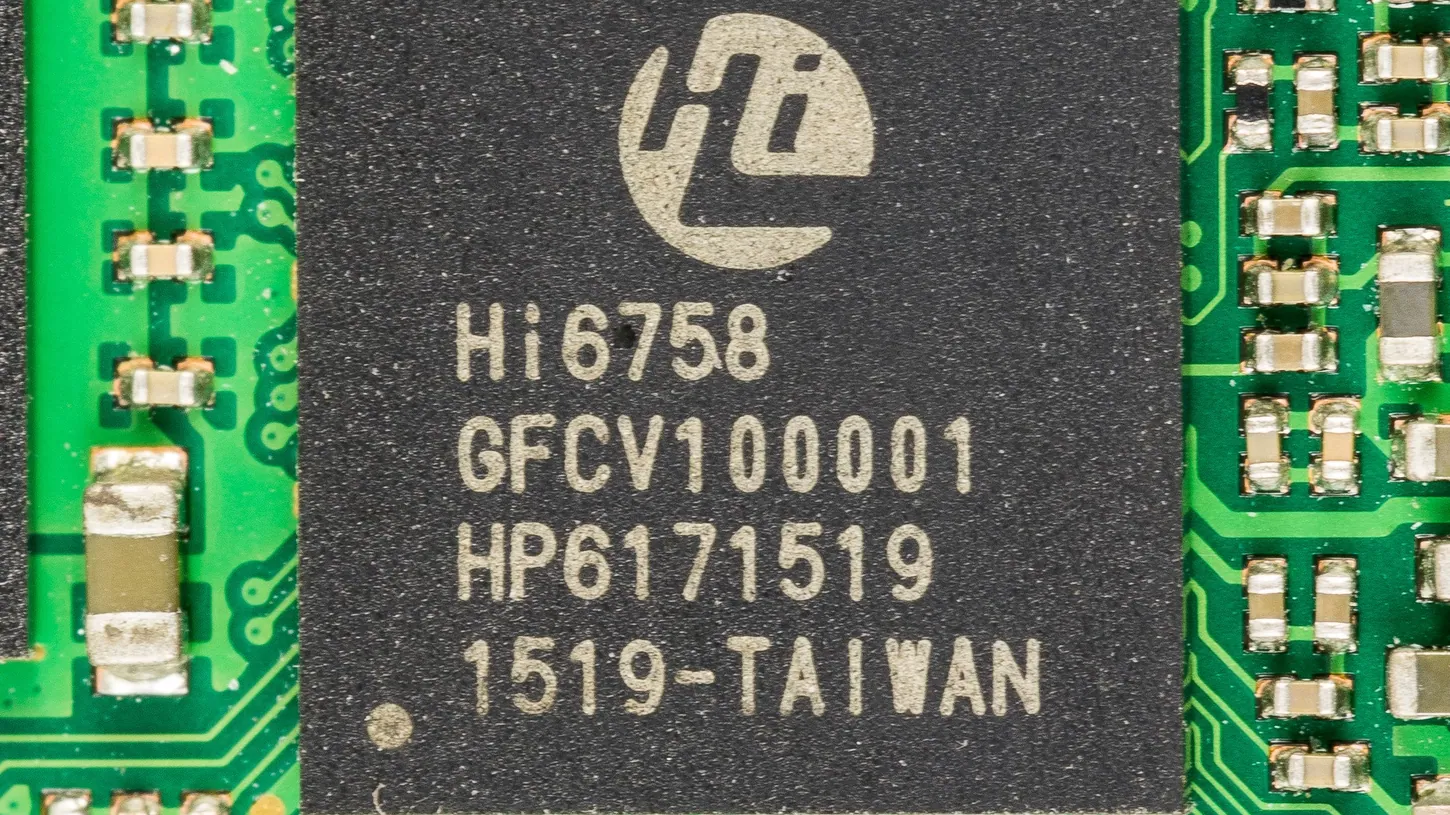
Illustrative file photo of laptop circuitry; not a chip or production facility named in this report. Photo: Alexandre Debiève / Unsplash. Unsplash License; cropped to 16:9. Image source; license.
Sources
What's Your Reaction?
 Like
0
 Dislike
0
 Love
0
 Funny
0
 Angry
0
 Sad
0
 Wow
0