













































iPhone 18 Pro Max Review: Class-Leading Battery and a Top-Tier Flagship — Just Don't Upgrade From the 17 Pro Max
The iPhone 18 Pro Max is undeniably a top-tier flagship: a durable premium build, a sharp 6.9-inch display with a smaller Dynamic Island, class-leading battery life of 19 hours 20 minutes, faster 54W charging, outstanding cameras and fluid iOS 27 performance, all powered by the redesigned 2nm A20 Pro. Yet it remains one of the most incremental updates in recent years — if you are upgrading from the iPhone 17 Pro Max, it can leave a somewhat bitter aftertaste. It starts at $1,299 in the US and €1,599 in Europe. GSMArena rated it 4.4 out of 5.
iPhone 18 Pro Max Review: Class-Leading Battery and a Top-Tier Flagship — Just Don't Upgrade From the 17 Pro Max
Despite the impressive achievement of Apple's redesigned chip, the iPhone 18 Pro Max remains one of the most incremental updates in recent years. This is somewhat understandable, given that the 20th anniversary iPhone 20 arrives next year and the new iPhone Duo took center stage as this year's "one more thing." Still, the 18 Pro Max is undeniably a top-tier flagship — combining a durable premium build, a sharp display with a smaller cutout, class-leading battery life, outstanding cameras, and fluid iOS performance. And while few people will feel the A20 Pro upgrade in everyday use right now, we do believe its extra performance and memory bandwidth will pay off in the years to come. GSMArena gave it 4.4 out of 5 in its full review, published on 23 September 2026. Here is the phone in detail.
Design: visually almost identical to the 17 Pro Max, in new colours
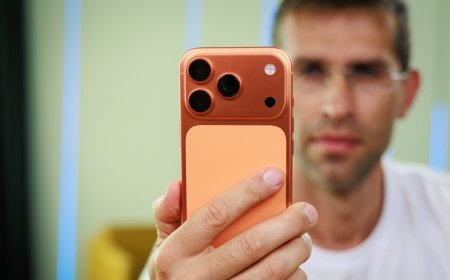
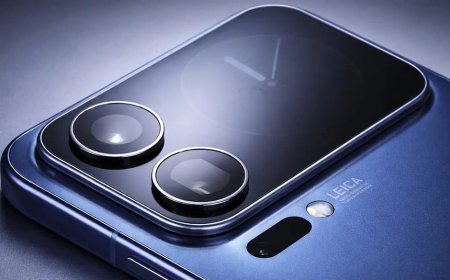
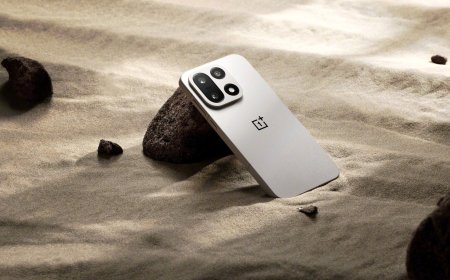
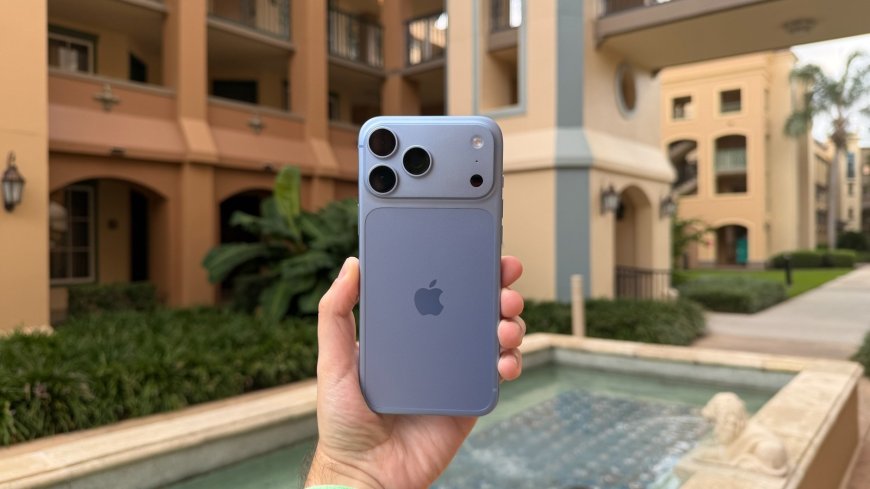
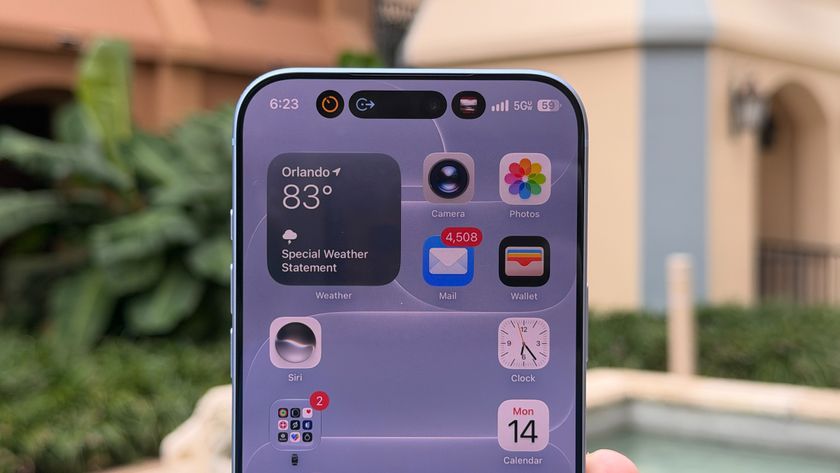
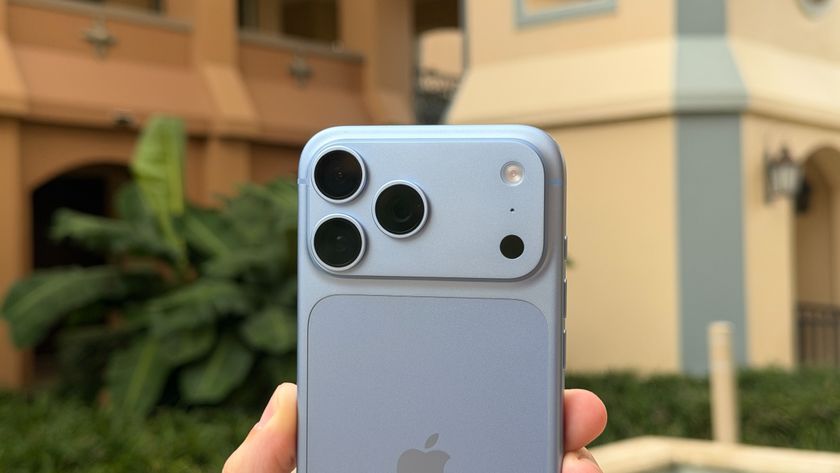
Visually, the iPhone 18 Pro Max is almost identical to the 17 Pro Max except for colours — 17 Pro Max cases and screen protectors fit. Colours are Burgundy (the headlining colour, a burgundy/wine-red), Glacier Blue, Black and Silver, and the glass back now matches the frame colour instead of white. There is Ceramic Shield 2 over the display, an aluminium unibody, an enormous camera island and a Ceramic Shield glass cover over the wireless-charging coil, with IP68 protection (up to 6 metres for 30 minutes). The Dynamic Island is shrunk by 35%, with the IR camera moved to the left of the island directly beneath the screen. The front has a 6.9-inch LTPO display with thin uniform bezels and an almost invisible earpiece doubling as a stereo speaker, plus an anti-reflective, fingerprint-resistant oleophobic coating. The back has a large rectangular camera bump curving up from the aluminium backplate, with three metal camera rings, an LED flash, a LiDAR scanner and a dedicated microphone for video audio; the wireless-charging coil and MagSafe magnets sit under a rectangular glass piece, with glass and aluminium colour-matched on all four models.
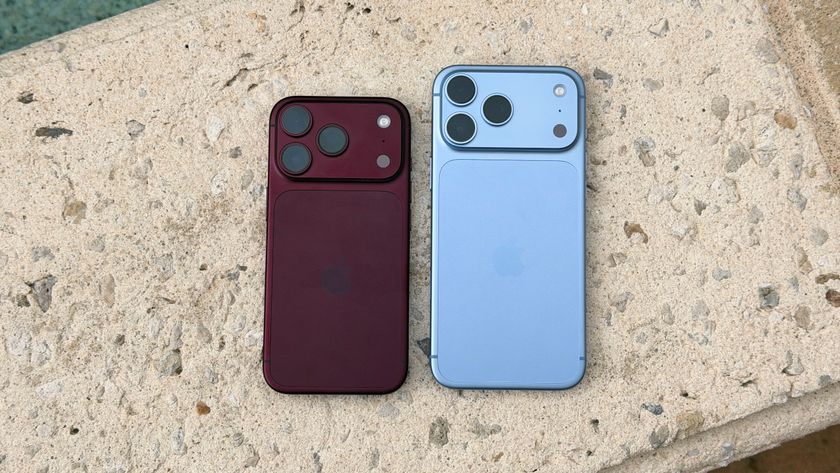
At 163.4 x 78.0 x 8.8 mm and 249 grams, it is a heavy slab — 15 grams heavier than the 17 Pro Max and 22 grams heavier than the 16 Pro Max, extra heft from the larger battery in a steel casing plus the extra-large vapor chamber — but well balanced with great weight distribution. The screen coating and all-matte finish make it virtually smudge-free, though the matte texture offers less friction and compromised grip — slippery enough that you will likely want a case. In the box there is the phone and a braided USB-C cable only — no charger. There is a Camera Control button, an Action Button, a SIM tray on the left side and a centred USB-C port.
Display: sharp and bright, though a touch dimmer than last year in auto mode
The 6.9-inch LTPO Super Retina XDR OLED display packs 1320 x 2826 pixels at 460 ppi, runs at 1–120Hz with ProMotion — automatically dropping to 1Hz when viewing still images — and supports HDR10 and Dolby Vision, behind flat Ceramic Shield 2 glass. The anti-reflective coating is a really nice quality-of-life improvement. Colour accuracy with True Tone off is very good for an Apple display, with a slightly warm white point and an average Delta E of 1.1.
In GSMArena's lab tests the display measured 969 nits maximum auto brightness — a bit behind last year's 17 Pro Max measurements — with a peak of 2,722 nits and minimum brightness of 1 nit with extra dimming. Widevine L1, HDR10 and Dolby Vision are supported in the Netflix app, and YouTube supports HDR10 at 4K60 in AV1 and VP9.
Battery life: class-leading, and charging is finally fast
The battery is 5,391mAh in the nano-SIM version reviewed, or 5,567mAh in the eSIM-only version — about 500mAh more than the respective 17 Pro Max models. In GSMArena's tests it scored an Active Use Rating of 19 hours 20 minutes: 31 hours 23 minutes of calls, 17 hours 13 minutes of web browsing, 26 hours 12 minutes of video playback and 12 hours 9 minutes of gaming, versus 17:58h for the iPhone 17 Pro Max and 17:18h for the iPhone 16 Pro Max. Improvements over the 17 Pro Max came mainly in call times and social-media and web browsing. The review calls it class-leading battery life. Because the battery exceeds 20 Wh, Apple ships it with a firmware-level capacity restriction keeping usable energy below 20 Wh during transport, lifted on first start; users can re-enable it for air shipping.
Charging is much improved: the retail box maxes out at 54W, up from 42W on the 17 Pro Max, consistently drawing 53W for the first 10 minutes. Apple recommends a "40W Dynamic Power Adapter with 60W Max", finally available in the EU — last year it was US-only. Apple's promise of 50% in 15 minutes with a 60W AVS adapter was confirmed: 50% in 15 minutes, 81% in 30 minutes and 100% in 55 minutes, though charging continues at low power after 100%, taking about 73 minutes for charging to stop completely. Wireless charging is 25W MagSafe (Qi2) with a 35W+ adapter, and 50% in 30 minutes was confirmed with Apple's 25W wireless charger. Battery Health settings offer a charge limit from 80% to 100%, Optimized Charging, plus cycle count and estimated battery health.
Performance: the A20 Pro is obviously one of the best chips on the market
Inside is the Apple A20 Pro, a 2nm chip with a 6-core CPU — two Super Cores at 4.93GHz and four Efficient Cores at 2.64GHz — a 7-core GPU up to 40% faster than the A19 Pro, and a 32-core Neural Engine, up from 16 in the A19 Pro. There is 12GB of LPDDR5X RAM on a 96-bit bus, up from 64-bit, with 50% higher memory bandwidth, a new side-by-side memory architecture with DRAM next to the processor die and wafer-level multi-chip packaging, and a vapor chamber with three times the surface area of the A19 Pro's. Storage comes in 256GB, 512GB, 1TB or 2TB NVMe options, though the 256GB/512GB models use TLC storage while the 1TB/2TB models use QLC, and write speeds drop to around 40% of TLC once storage is more than 60% full.
The benchmark results are remarkable: AnTuTu 11 scored 3,463,072, 48% better than the 17 Pro Max's 2,331,417; Geekbench 6 single-core scored 4,735, versus 3,891 for the 17 Pro Max and 3,781 for the Galaxy S26 Ultra; Geekbench 7 single-core scored 4,035; and 3DMark Wild Life Extreme came in at 7,931, versus 6,032 for the 17 Pro Max and 7,744 for the Galaxy S26 Ultra. GPU performance is a massive increase, over 30% boost compared with the iPhone 17 Pro Max. The prose says about a 22% single-core jump and about a 10% multi-core improvement versus the A19 Pro. Geekbench AI (NPU backend) scored 70,681, versus 49,000 on the 17 Pro Max — about a 44% improvement. In stability tests, the APSI Bench 30-minute stress test saw the CPU retain 84% of peak performance, and the 3DMark Wild Life Extreme Stress Test saw the GPU retain 57% of peak performance. The review concludes that the Apple A20 Pro is a solid update and obviously one of the best chips on the market right now.
Cameras: triple 48MP, led by a variable-aperture main lens
The rear camera system is three 48MP cameras: a 48MP main with a variable aperture of f/1.48 to f/4.0 and a Sony IMX 905 sensor, a 48MP ultrawide with an f/2.2 aperture and a Sony IMX 972 sensor, and a 48MP 4x telephoto with an f/2.8 aperture and a Sony IMX 973 sensor, plus a TOF 3D LiDAR depth sensor. All three rear cameras shoot 24MP by default, with 12MP and 48MP options in settings. The main camera also offers 4K120 at 1x and 2x. The front camera is an 18MP multi-aspect sensor with an f/1.9 aperture and an octagonal-shaped sensor with auto-orientation that lets you switch between portrait and landscape selfies.
In daylight, 24MP default shots from the main camera have very good detail with well-defined, if somewhat digital, random textures, reasonably restrained but not lifeless colours, typically accurate white balance and excellent dynamic range. The variable aperture was added by Apple for video — stopping down to avoid ND filters and improve sharpness — and it does make a difference in stills, but only on nearby objects in scenes with depth; the review concludes it is nice to have in principle, but of limited actual practical benefit, at least in this particular implementation. The 48MP mode produces very good shots with marginally more detail in the centre of the frame and no real downside besides storage. 2x shots have great detail definition and the same global properties as 1x; 2x portraits are good, with plenty of detail, warmth, highlight detail and natural bokeh. People shots are very good, with improved skin textures — less plastic — a bit more warmth and highlight detail, natural colours and bokeh more natural than last year, almost at the level of Portrait mode. Portrait mode itself shows no real improvement over last year.
The 4x telephoto is good overall but missing the detail crispiness the reviewers would like in a good light scene, and the 48MP mode is no better than 24MP in a good light scene — 24MP is the higher-quality choice, and the reviewers would probably prefer to look at the 12MP versions instead of the default 24MP ones. 4x headshots appear sharper than last year's take, more likely due to Apple tweaking processing than any hardware improvement. 8x zoom is quite grainy and a bit soft, but can produce good results in bright daylight; 16x zoom is also available. The 48MP ultrawide takes good 24MP photos in bright outdoor scenes and a little less so indoors, with good colours and improved, though not eliminated, corner softness — the ultrawide is the least good of the three cameras at making things look good in 24MP, but it is sort of hanging in there. The iPhone's close-ups use digital zoom from the ultrawide camera — decent results, but no comparison to real macro cameras. Selfies are overall good with accurate colours, though low-light selfies are quite poor and unsharp — the phone did not manage to focus on the face and Night mode did not kick in.
In low light, the main camera's shots are quite excellent — a bit of grain, but wide dynamic range and natural colours — and 2x shots are properly great, some of the best results you can expect from a main camera at 2x in low light. The telephoto can do quite well at 4x, but is also reluctant to engage Night mode; in the scenes where Night mode did kick in, saved in 12MP, things look better on a pixel level, with less grain and sharper detail. At 8x, photos are softer and noisier. Low-light ultrawide shots are softish and grainy, but with a decent amount of detail — usable — though exposures look quite dark, with plenty of fall-off towards the edges and corners. The photo quality verdict: the iPhone 18 Pro Max's single hardware change is a variable aperture lens on the main camera, and it would not be said to bring any meaningful improvement to photo quality or experience. It is good then that the baseline iPhone Pro experience is still quite competitive, with generally very good image quality across the board. The main camera is excellent in both daytime and low-light scenarios, and its 2x photos are on a standout level. The telephoto is not exactly praiseworthy, but does not really disappoint at anything other than close focusing. The ultrawide can be better in the dark, yes, but that is true of most. Selfies are solid too, and the orientation-agnostic sensor can still pass for a selling point.
Video is largely the same as the 17 Pro Max — 4K60/30/24 on all cameras, with the primary camera also offering 4K120 at 1x and 2x, PAL modes at 25fps and 100fps on retail European units, Dolby Vision in all modes, ProRes, Apple Log 2 and Genlock. External storage is needed for some higher fps modes, and 4K60 or higher requires the high-efficiency HEVC/h.265 format, limiting options for ProRes and Apple Log. Manual controls (shutter speed, white balance, aperture) are available in video too. Cinematic mode now maxes at 4K60, up from 4K30. Spatial Audio embeds two audio tracks — stereo AAC and four-channel AAC — with simple stereo and mono options. Stabilization is always on in all modes including 4K120 — you cannot turn it off. In daylight, the rear cameras are precisely matched in colour and exposure, with pleasing hues, wide dynamic range and great contrast; detail is very good, and 2x and 8x look quite alright. At night, the main camera and telephoto show pretty visible internal reflections from bright lights — a long-standing Apple lens peculiarity — while the ultrawide does not suffer from this. Main camera clips are very good — wide dynamic range, accurate colour, and the iPhone's stabilization algorithms are top-tier, with the main camera and the ultrawide pretty much rock steady. The video verdict: wide-ranging capabilities, many frame-rate options, Dolby Vision across the board and manual controls; great daytime video across the zoom range and very good main and telephoto at night.
Software: iOS 27 and the new Siri AI
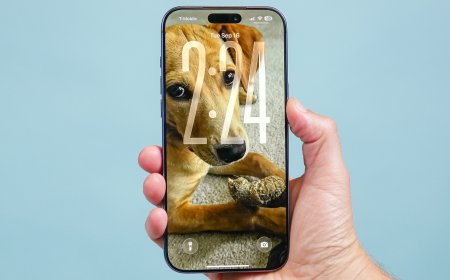
The iPhone 18 Pro Max runs iOS 27 (27.0.1 on the review unit), a refinement of iOS 26's Liquid Glass design — a visual refresh with a transparency slider, a UI that recognizes complex content behind toolbars and menus and provides clearer separation, redesigned icons that are sharper and cleaner, and a new Appearance section in Settings. The Lock Screen is integrated with Notification Center, with torch and camera shortcuts, and every wallpaper, widget and shortcut is customizable. Homescreens, App Library, Notification Center, Control Center and Spotlight: you can hide specific homescreens, though you cannot opt out of the Today page or App Library; enlarge icons or hide names, use accent colour, light and dark themes, and a new monochrome look with liquefied opacity; widgets are stackable, and Extra Large widgets take a whole homescreen page, such as Calendar — previously iPadOS-only. Notification Center is reached via a swipe from the top-left or via the Dynamic Island; Control Center has multiple pages and expandable toggles; the Task Switcher is unchanged; and the Dynamic Island can now display up to three Live Activities at once.
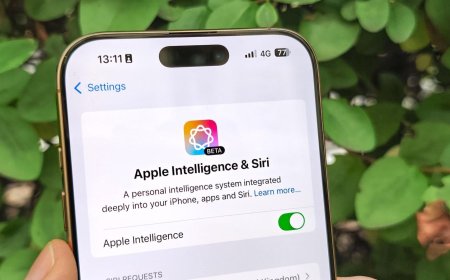
The next-gen, long-awaited Siri revamp is now called Siri AI — a waitlist-only beta, not available in the EU yet, and the review lists "European users are not getting Siri AI for now (if ever)" as a con. It is based on Google's Gemini models, is much more conversational, and uses on-device processing plus Apple Private Cloud Compute, where personal data is not stored or accessible to Apple or anyone. The new Siri app remembers past chats, is available through the Dynamic Island, and on iPadOS 27 and macOS 27 is integrated into Spotlight. The on-device model offers even more expressive voices and a major boost in accuracy with systemwide dictation; expressiveness and pace are customizable, and dictation auto-handles punctuation, capitalization and formatting. Personal context covers messages, emails, photos and more, works with Apple's apps, with a promise that personal-context understanding extends to third-party apps when developers integrate with Spotlight. It answers questions about what is on screen, offers web search via broad world knowledge, and syncs conversations via iCloud across devices. The Camera app will soon get a Siri mode — ask questions about whatever you see, split a bill with Apple Cash, or get nutritional insights about a plate of food. Integrated Writing Tools work anywhere you type — generate a draft, refine or edit; Mail and Messages adapt to how you communicate with each recipient including punctuation and tone; and it auto-proofreads systemwide including most third-party apps. Advanced image editing is immediately available: Extend, Reframe and a smarter Cleanup. Apple gives no promised update count, but the iPhone 11 from 2019 runs iOS 27, so at least 7 major OS updates are expected. The review unit is Made in India.
The hybrid stereo speakers measured -25.0 LUFS — "Very Good" — and sound a bit brighter than the 17 Pro Max, though the difference is not huge. Connectivity covers 5G (sub-6GHz and mmWave, with satellite connectivity), Wi-Fi 7, Bluetooth 6.0, NFC, Apple U2 (UWB gen2 chip), USB-C and dual-band GPS. There is no microSD, no 3.5mm jack and no FM radio. Extras include Face ID, the Dynamic Island, the anti-reflective coating, the Camera Control button, the Action Button, IP68 protection, Emergency SOS, Messages and Find My via satellite, and 4.5W reverse wired charging.
Verdict: an exceptional flagship — just not an upgrade from the 17 Pro Max
The base price is €1,599 / $1,299, and the 2TB version goes up to €3,100 / $2,499. New iPhones are rarely intended for previous-model owners; each new generation offers the most meaningful upgrades to users coming from models at least two or three years old. The iPhone 17 Pro Max is about €250 cheaper — the first suggestion — the same experience while saving enough for a pair of AirPods or an Apple Watch. The €950 iPhone 17 is another favourite — Pro-level features including a 120Hz display and the A19 chip, a compact lightweight body, a capable trio of cameras (main, ultrawide, selfie), no dedicated zoom shooter and solid battery life. Android alternatives include the Galaxy S26 Ultra (S Pen, two telephoto cameras at 3x and 5x), the Xiaomi 17 Ultra (class-leading Leica camera system, optional Photography Kit) and the Oppo Find X9 Ultra (two zoom cameras at 3x/macro and 10x, excellent selfie camera, Photography Kit).
The 18 Pro Max is undeniably a top-tier flagship — combining a durable premium build, a sharp display with a smaller cutout, class-leading battery life, outstanding cameras, and fluid iOS performance. And while few people will feel the A20 Pro upgrade in everyday use right now, we do believe its extra performance and memory bandwidth will pay off in the years to come. What we do not appreciate is Apple's use of slower QLC storage on the 1TB and 2TB models, particularly given how expensive those versions are — you may actually be better off skipping those storage tiers entirely. Ultimately, annual iPhone updates have become predictable. If it were not for the iPhone Duo, Apple would have deserved some serious pushback this year. So, is the iPhone 18 Pro Max worth buying? Absolutely. It remains an exceptional flagship packed with top-tier features. If it fits your needs — or if you are upgrading from an iPhone 15 Pro Max or earlier — it is an easy recommendation. And it can stand tall against any Android rival, too. Even so, a word of warning: if you are upgrading from the iPhone 17 Pro Max, buying into a boring iPhone upgrade such as this one can leave a somewhat bitter aftertaste.
Pros and cons
Pros: Durable and well-protected body. Large LTPO OLED, smaller Dynamic Island. Battery life is notably better. Fast wired and wireless charging. Superb speakers. Cutting-edge performance. Solid photo quality across the board. Great video capture quality.
Cons: Somewhat heavy. More expensive than its predecessor. Hardly any upgrades in the camera department. European users are not getting Siri AI for now (if ever).
Sources
What's Your Reaction?
 Like
0
 Dislike
0
 Love
0
 Funny
0
 Angry
0
 Sad
0
 Wow
0