
Nvidia Boss Jensen Huang to Join Trump’s Dinner for Xi as AI and China Take Center Stage
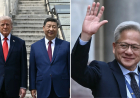
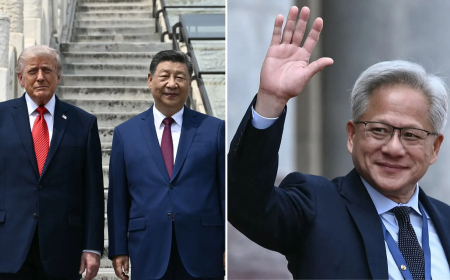
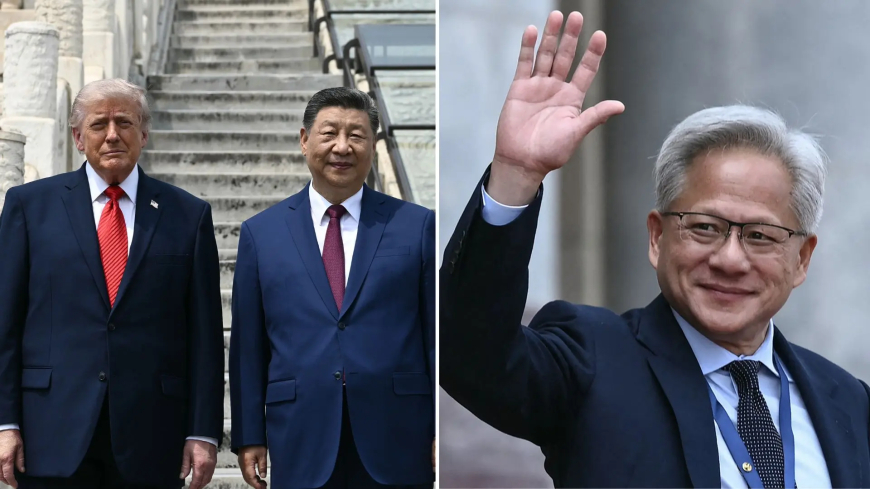
Nvidia CEO Jensen Huang is set to attend a state dinner hosted by U.S. President Donald Trump for Chinese President Xi Jinping, according to a source familiar with the matter. His expected presence adds another major technology figure to a meeting where artificial intelligence, semiconductors, trade and the future of U.S.-China technology relations are likely to be important issues.

Jensen Huang Is Heading Back Into the Trump-Xi Spotlight
Nvidia CEO Jensen Huang is expected to attend a state dinner hosted by U.S. President Donald Trump for Chinese President Xi Jinping, according to a source familiar with the matter. The dinner is expected to take place in Washington around Xi’s planned September 24 visit, putting one of the world’s most influential technology executives in the room with the leaders of the two countries at a particularly important moment for the global technology industry.
Huang’s presence is significant because Nvidia sits directly at the center of several issues that increasingly connect technology with international politics. Nvidia’s processors have become critical infrastructure for the global artificial intelligence boom, while access to advanced AI chips has become one of the most sensitive areas of U.S.-China technology policy. For Huang, the relationship with China is also commercially important. He has previously described China as a major opportunity for Nvidia and has repeatedly pushed for the company to maintain access to the Chinese market.
Why Nvidia Matters So Much in the U.S.-China AI Race
The dinner comes at a time when Washington and Beijing are trying to manage a complicated relationship involving trade, technology restrictions, artificial intelligence and strategic competition. AI chips are at the heart of that discussion because they provide much of the computing power needed to train and operate increasingly sophisticated AI systems. Restrictions on the sale of advanced chips to China have therefore become an important part of U.S. efforts to control the flow of sensitive technology.
For Nvidia, that creates a difficult business environment. The company wants to remain a global technology leader while navigating rules that can limit which products it can sell into China. Huang has previously argued publicly for continued access to the Chinese market, describing it as a substantial commercial opportunity. Nvidia’s CEO has also already participated in high-level discussions involving Trump and Xi: earlier this year, Huang joined Trump’s China delegation after receiving an invitation, highlighting how closely Nvidia has become connected to discussions about America's AI and technology strategy.
The Dinner Comes at a Sensitive Moment for AI
Huang’s expected appearance is also interesting because the AI industry is currently having a much bigger argument about how quickly the technology should advance. Anthropic CEO Dario Amodei has recently called for frontier AI development to be slowed so that safety measures can catch up with rapidly improving capabilities. Other technology leaders have also joined the wider discussion about AI risks, while Trump has taken a more aggressive position in favor of continued development.
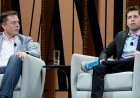
Just one day before news of Huang’s expected dinner appearance, Trump interrupted an onstage interview with Huang at the All-In Summit and spoke about the growing debate over AI risks. Huang emphasized the importance of AI safety but also argued that the United States should continue leading the technology race. The exchange highlighted the tension surrounding AI today: governments and companies want the economic and strategic advantages of faster development, while researchers and some industry leaders are increasingly asking how those advances can be made safely.
More Than Just a Dinner
On the surface, Huang attending a state dinner may sound like a simple diplomatic event. But Nvidia is no longer just another semiconductor company. Its technology has become deeply connected to the AI boom, data centers and the broader competition between the United States and China. Reuters recently reported that Nvidia had reached a market value of around $5 trillion, reflecting just how central the company has become to the modern AI economy.
That makes Huang’s seat at the table potentially meaningful even if he is not there as a government official. The Trump-Xi meeting is expected to involve much broader issues than Nvidia, including trade and economic relations, but the presence of one of America's most important AI executives underlines how difficult it is to separate technology from geopolitics anymore. The chips powering the AI revolution have become part of a much larger conversation about economic power, national security and competition between the world's two largest economies.
What Comes Next for Nvidia and China?
The biggest question for Nvidia is how much room it will have to operate in China as Washington continues to debate restrictions on advanced technology. Huang has consistently argued that Nvidia needs access to international markets, while U.S. policymakers have focused on limiting China's access to the most advanced computing capabilities. Finding a balance between those competing interests could become increasingly important for Nvidia as the AI industry grows.
For now, Huang's expected attendance at Trump's dinner with Xi is another reminder of how dramatically the technology industry has changed. A few years ago, a semiconductor CEO attending a diplomatic dinner might have been a footnote. Today, when AI chips are helping determine the direction of a trillion-dollar technology race, the person running Nvidia can find himself sitting remarkably close to the center of global diplomacy.
What's Your Reaction?
 Like
0
Like
0
 Dislike
0
Dislike
0
 Love
0
Love
0
 Funny
0
Funny
0
 Angry
0
Angry
0
 Sad
0
Sad
0
 Wow
0
Wow
0