







































Galaxy S27 Pro and Ultra May Finally Get DC Dimming
Samsung may introduce DC dimming technology with the Galaxy S27 Pro and Galaxy S27 Ultra, according to a new leak. The reported change could improve the display experience for people sensitive to screen flicker, addressing a long-standing criticism of Samsung's flagship phones. However, the feature remains unconfirmed, and it is not yet clear whether the technology will eliminate flicker completely or be available across the entire Galaxy S27 lineup.
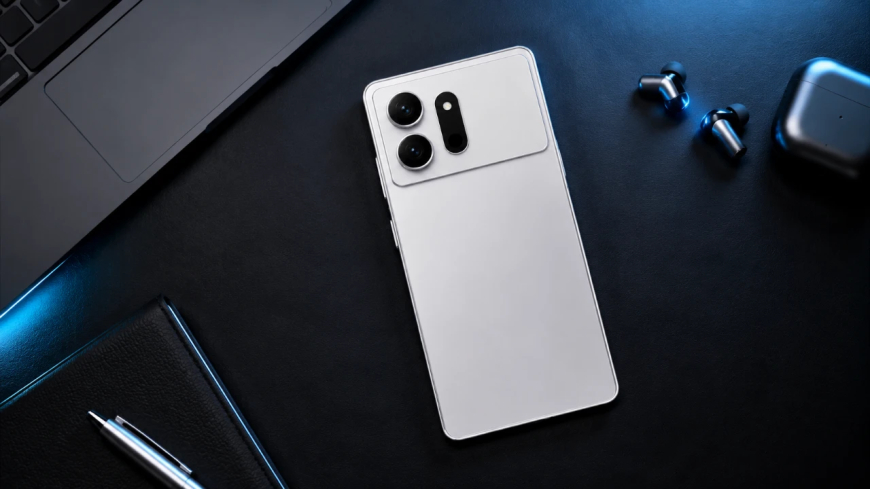
Samsung Galaxy S27 Pro and Ultra May Finally Get DC Dimming
Samsung could be preparing a long-requested display improvement for its next flagship smartphone generation. According to a new leak published in October 2026, the upcoming Samsung Galaxy S27 Pro and Galaxy S27 Ultra may support DC dimming, a technology designed to adjust screen brightness differently from conventional pulse-width modulation (PWM).
The report has attracted attention because Samsung's premium phones have faced criticism from users who experience discomfort when viewing displays that use PWM dimming. While the technology works well for many people, some users report eye strain, headaches or fatigue when using certain flickering displays, particularly at lower brightness levels.
If the reported change makes it into the final products, it could give Samsung another reason to appeal to customers who care about display comfort as much as resolution, brightness and colour accuracy. For now, however, the information comes from leaks rather than an official Samsung announcement.
Galaxy S27 Pro and Ultra Could Introduce DC Dimming
The latest report originated with tipster @WalleGalaxy, who claimed that the Galaxy S27 Pro and Galaxy S27 Ultra would support DC dimming. Chinese technology publication IT Home reported the claim on October 10, 2026, following the tipster's post a day earlier.
Another technology account, known as Ice Universe, also reacted to the report. However, repeated coverage and reactions to the same leak do not establish that Samsung has independently confirmed the feature.
The distinction between the models is important. The current claim specifically names the Pro and Ultra versions. It does not establish whether the standard Galaxy S27 and Galaxy S27+ will receive the same capability.
Samsung has not officially confirmed DC dimming for the Galaxy S27 series, and final specifications could change before the phones reach the market.
What Is DC Dimming, and How Does It Work?
DC dimming adjusts display brightness by changing the electrical power supplied to the display's light-emitting elements. On OLED screens, implementation is more complicated than simply turning down a conventional backlight because each pixel produces its own light.
PWM dimming works differently. It controls perceived brightness by rapidly switching the display's light output on and off. At lower brightness settings, the relationship between the on and off periods changes, reducing the average light reaching the viewer.
Many people never notice this behaviour. Others are more sensitive to particular flicker patterns and may find some displays uncomfortable during extended use.
DC or DC-like dimming can reduce certain forms of flicker, depending on how the manufacturer implements the technology. However, the name alone does not guarantee a completely flicker-free screen. Some OLED implementations use hybrid approaches that combine different dimming methods depending on brightness levels.
That is why the details of Samsung's implementation will matter as much as the presence of a DC dimming option itself.
Why Samsung Users Have Been Asking for Better Flicker Control
Display quality is often measured through specifications such as peak brightness, refresh rate, resolution and colour reproduction. Yet the way a screen manages brightness can also affect the everyday experience, particularly for people who spend hours reading, browsing social media or working on their phones.
Samsung's Galaxy S26 generation did not introduce a dedicated DC-like dimming option, according to reporting published around its launch. That left users who specifically seek alternative dimming methods looking at other devices or hoping for a change in a future Galaxy flagship.
The issue is not that PWM is inherently unsuitable for everyone. Its effects vary between individuals and depend on factors including flicker characteristics, brightness settings and viewing conditions. A display that feels comfortable to one person may not feel the same to another.
For users who already know they are sensitive to certain displays, a clearly documented dimming option could become an important purchasing consideration rather than a minor specification on a product page.
Galaxy S27 Display Upgrades May Go Beyond Dimming
DC dimming is not the only display-related change being discussed in connection with Samsung's next flagship generation. Separate reports have suggested that Samsung may differentiate the higher-end Galaxy S27 models through newer OLED display materials and additional hardware features.
One reported possibility is the use of Samsung Display's newer M16 OLED material generation in the S27 Pro and S27 Ultra, while the standard and Plus models could use a different display configuration. These details remain unconfirmed and should not be treated as final specifications.
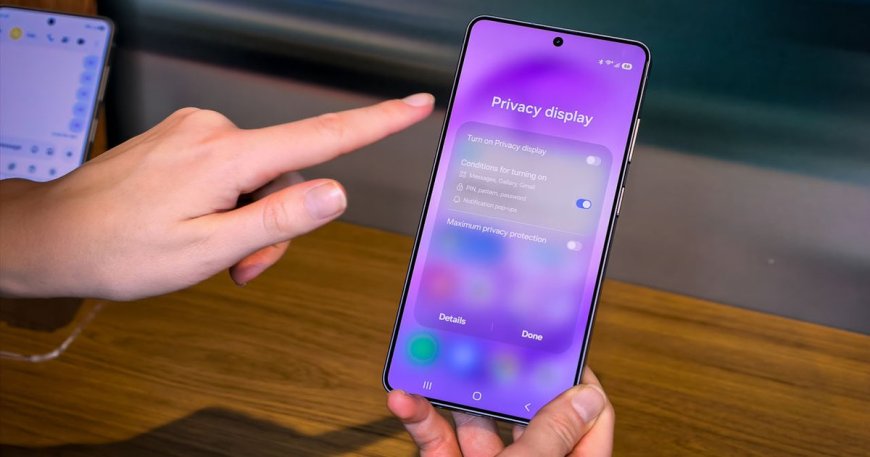
The reported continuation of Privacy Display technology on the premium models has also drawn attention. First introduced on the Galaxy S26 Ultra, this feature is designed to restrict side-angle visibility, helping keep on-screen information less visible to people nearby.
If Samsung introduces both improved dimming and further display refinements, the company could make viewing comfort and privacy part of its premium-phone strategy. Whether these features justify a higher price will depend on the final specifications, implementation and real-world performance.
Will DC Dimming Eliminate Eye Strain?
Not necessarily. Reducing flicker can help some people who are sensitive to particular display behaviours, but no single dimming technology guarantees that every user will experience less eye discomfort.
Brightness, ambient lighting, viewing distance, screen content and the duration of use can all influence comfort. Some people may also experience discomfort for reasons unrelated to PWM flicker.
The practical question for the Galaxy S27 series will be how the screen behaves across different brightness levels. If Samsung uses a hybrid dimming system, its effectiveness at very low brightness could be particularly relevant to people who use their phones in dark rooms.
Independent testing will be needed to establish the display's flicker characteristics. Useful measurements would include flicker frequency, modulation depth and behaviour at different brightness settings, rather than relying solely on a marketing label.
Buyers who are particularly sensitive to flicker should therefore wait for reliable measurements of retail devices before assuming that the new models will solve their specific concerns.
Will All Samsung Galaxy S27 Models Get the Feature?
That remains an open question. The current leak identifies the Galaxy S27 Pro and Galaxy S27 Ultra, but it does not conclusively establish that DC dimming will be exclusive to those models.
Samsung could ultimately offer the feature on additional devices, restrict it to selected displays or change the implementation before launch. Until official specifications are published, claims about model-by-model support should be treated cautiously.
The distinction could matter to buyers who prefer a smaller or less expensive flagship. If the feature is limited to the most expensive models, users seeking improved flicker control may have fewer options within Samsung's own lineup.
A broader rollout would make the technology more accessible, but there is currently insufficient evidence to predict Samsung's final decision.
Samsung Galaxy S27 Release Date and Availability
Samsung has not officially announced the Galaxy S27 lineup or confirmed a release date for the Pro and Ultra models. Based on the company's established flagship launch pattern, an early-2027 launch is plausible, but the timing remains unconfirmed.
Pricing, regional availability and the complete hardware specifications are also unknown. There is no confirmed information establishing how much the reported display changes would affect the cost of the phones.
For buyers in India, the United States, China and Bangladesh, local launch dates and configurations may differ. Samsung's regional product pages and official announcements will be the most reliable sources for confirming which models and features become available in each market.
Until then, the Galaxy S27 DC dimming report is best understood as an early indication of a possible display upgrade, not a confirmed reason to delay or make a smartphone purchase.
What the Rumour Means for Samsung's Next Flagships
The potential addition of DC dimming highlights a part of smartphone design that can be overlooked when manufacturers compete over camera systems, processors and artificial intelligence features. A display's brightness-control method may not be immediately obvious on a specification sheet, but it can make a meaningful difference to people who are sensitive to flicker.
Samsung has an opportunity to address a recurring request from a segment of its flagship customers. The outcome will depend on whether the company implements the technology effectively, how broadly it is offered and whether independent measurements support the expected benefits.
For now, the Galaxy S27 Pro and Galaxy S27 Ultra remain unannounced products with unconfirmed specifications. The most important next step is an official Samsung confirmation followed by independent testing of the finished displays.
Sources
What's Your Reaction?
 Like
0
Like
0
 Dislike
0
Dislike
0
 Love
0
Love
0
 Funny
0
Funny
0
 Angry
0
Angry
0
 Sad
0
Sad
0
 Wow
0
Wow
0