


















Microsoft Gives Copilot a Major Makeover, Turning It Into an AI Worker That Can Build and Act
Microsoft has dramatically revamped Copilot, adding natural-language code generation, a persistent AI agent called Autopilot, and direct access to Word, Excel and PowerPoint. The company is pushing Copilot beyond a chatbot and toward an AI work platform capable of building software, handling longer-running tasks and working alongside people.

Microsoft Wants Copilot to Stop Just Answering — and Start Doing
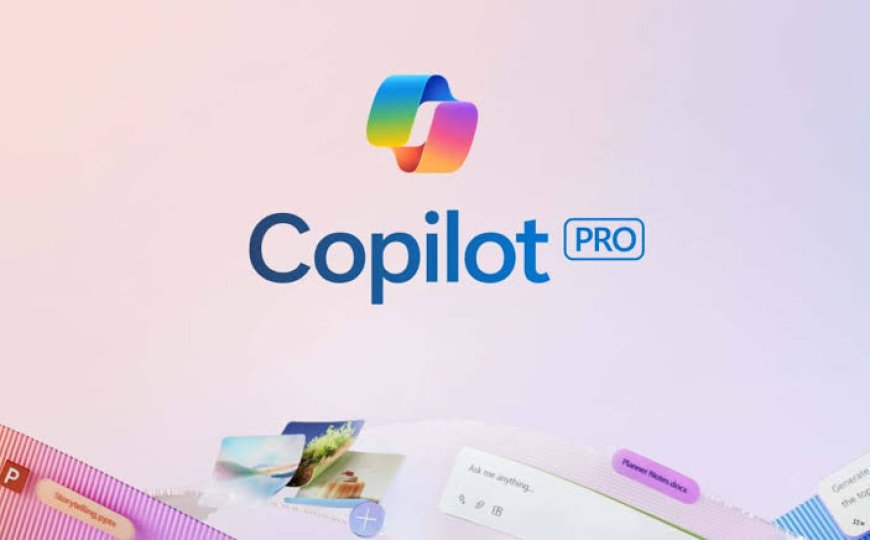
Microsoft is giving Copilot one of its biggest makeovers yet, and this time the company isn't simply making the chatbot smarter. It is trying to change what Copilot actually is. Microsoft has introduced a redesigned Copilot experience built around three major areas — Home, Code and Autopilot — bringing together AI conversations, software creation, Office applications and agents that can continue working on tasks after the user steps away. citeturn0news5turn0news6
That shift is important because the AI race is moving away from the simple question-and-answer model. For years, people have opened an AI chatbot, typed a question and waited for an answer. Microsoft now wants Copilot to become something closer to a digital coworker: something that can understand an instruction, create something useful, work through multiple steps and potentially keep going without requiring a human to guide every single move.
Copilot Can Now Build Software From Plain English
One of the headline additions is Copilot Code, which allows users to create applications, dashboards and other software using natural-language instructions. Microsoft says the feature uses the same underlying technology as GitHub Copilot, bringing AI-assisted software creation beyond traditional developers and into the hands of more knowledge workers. Early access is scheduled to begin at the end of September, with Microsoft 365 Premium and Pro subscribers getting a preview later this year. citeturn0search0turn0news10
That could be a meaningful change for people who have an idea for an internal tool but don't necessarily have the time or expertise to build it from scratch. Instead of starting with a blank development environment, a user could describe what they want and let Copilot generate the underlying software. It doesn't mean developers suddenly become unnecessary; rather, Microsoft is trying to move the starting point from “write the code” to “describe what you want to build.”
Then There Is Autopilot — The Part That Gets Really Interesting
Microsoft is also introducing Autopilot, a persistent AI agent designed to work more independently. Unlike a traditional chatbot that waits for the next prompt, Autopilot can continue working on tasks and operate with its own identity and permissions inside an organization. Microsoft says businesses will be able to control what the agent is allowed to access and do. citeturn0news5turn0news10
This is where Microsoft's Copilot strategy starts to look very different. An AI that writes an email is an assistant. An AI that can monitor a project, coordinate work and continue operating in the background starts to look more like a digital employee. Microsoft is clearly moving toward that second idea, while also emphasizing enterprise controls, security and governance around these agents. citeturn0search1
Word, Excel and PowerPoint Are Coming Into the Same Space
Microsoft is also bringing its familiar Office applications directly into the Copilot experience. Word, Excel and PowerPoint can be used without leaving Copilot, allowing people to work with those applications while staying inside the AI interface. citeturn0news5turn0news6
This matters because Microsoft's biggest advantage in the AI productivity race isn't necessarily the chatbot itself. It is the enormous ecosystem surrounding it. Millions of people already use Word for documents, Excel for data and PowerPoint for presentations. If Copilot can sit across those tools and understand the context of the work, Microsoft can make AI feel less like another website employees have to visit and more like a layer built directly into their working environment.
Microsoft Is Going After the Real Workplace
The timing is no accident. Microsoft is competing with a growing list of powerful AI products, including ChatGPT and Claude, but its strategy is increasingly focused on the workplace rather than simply winning the consumer chatbot race. Reuters reported that Microsoft is trying to turn Copilot into a one-stop shop for office workers, combining coding, Office applications and autonomous AI capabilities in one experience. citeturn0news5
Microsoft has also been pushing deeper into agentic AI across its broader ecosystem. Earlier this year, the company described Copilot as moving beyond simple assistance toward multi-step work that can continue over time, with agents operating across applications and company data. citeturn0news20
The Hard Part Is No Longer Making AI Talk
The interesting part of Microsoft's announcement isn't really that Copilot can generate code or that it can answer questions. Those capabilities are becoming increasingly common across the AI industry.
The bigger challenge is trusting AI with actual work.
If an AI agent is allowed to access company information, modify files, build applications or coordinate tasks, mistakes become much more serious than a bad chatbot answer. Microsoft therefore has to solve two problems at the same time: make agents capable enough to be useful, while giving organizations enough visibility and control to know what those agents are doing. Microsoft's own recent messaging emphasizes monitoring, security, governance and managing AI costs as organizations move toward large-scale agent deployment. citeturn0search1
Copilot Is Becoming Something Bigger Than a Chatbot
Microsoft's latest move shows where the next stage of the AI race may be heading. The battle is gradually moving from who has the smartest chatbot to who can build the most useful AI worker.
Copilot Code wants to turn ideas into software. Office integration puts AI directly inside everyday work. Autopilot wants to keep working after the human walks away. Put those pieces together and Microsoft's vision becomes clear: Copilot isn't supposed to be just a box where you ask AI questions anymore. Microsoft wants it to become the place where people plan work, build things, delegate tasks and get results.
And that could be a much bigger change than another chatbot upgrade. The next generation of AI may not be defined by how convincingly it talks to us, but by how much real work it can safely accomplish alongside us.
What's Your Reaction?
 Like
0
Like
0
 Dislike
0
Dislike
0
 Love
0
Love
0
 Funny
0
Funny
0
 Angry
0
Angry
0
 Sad
0
Sad
0
 Wow
0
Wow
0