
















































The New iPad Mini Has a Beautiful OLED Screen — But Reviewers Say the Missing 120Hz Still Hurts
The new iPad mini's OLED display is a big upgrade, but it is limited to 60Hz — and reviewers are not buying Apple's explanation. The Verge's David Pierce says refresh rates matter, from Apple Pencil work to scrolling text, while Apple argues OLED's faster pixel response times make 120Hz unnecessary. The feature stays exclusive to the iPad Pro.
The New iPad Mini Has a Beautiful OLED Screen — But Reviewers Say the Missing 120Hz Still Hurts
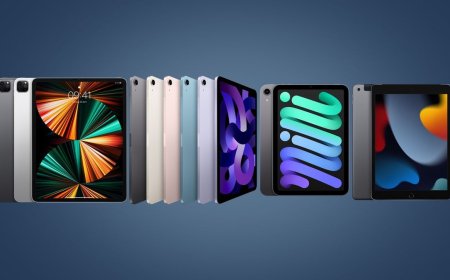
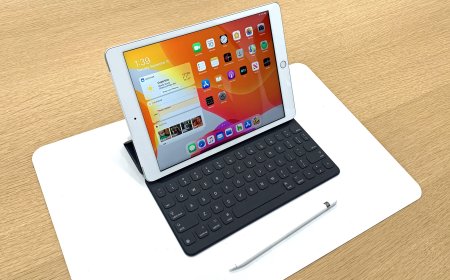
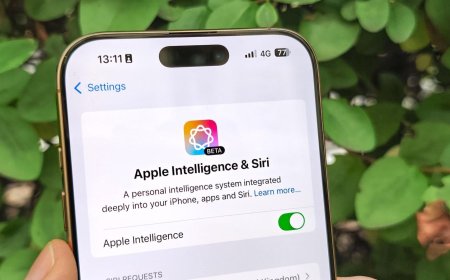
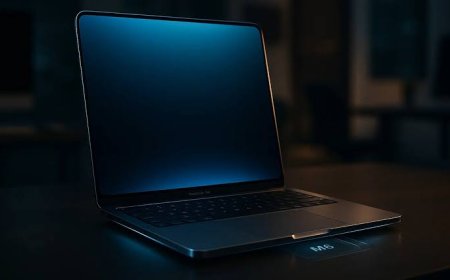
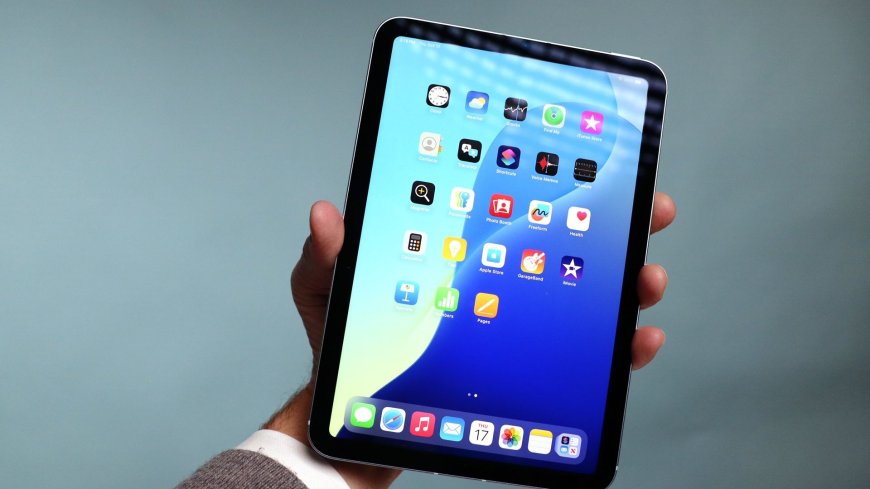
The new iPad mini has an OLED display, but the device does not support ProMotion, meaning the display's refresh rate is limited to 60Hz instead of 120Hz. Apple said OLED displays still have significantly faster pixel response times compared to LCDs, resulting in reduced motion blur. The Verge's David Pierce is not entirely satisfied — and his review has turned a missing spec into the most talked-about thing about the new tablet. The photo with this article shows the iPad mini's design — the new mini 8 shares the same design.
"Refresh rates matter"
From his iPad mini 8 review: "Apple's answer, to Chris Lawley and others, has been something to the effect of '120Hz is irrelevant, OLED's faster pixel response solves the problems.' I don't agree. I don't think the lack of ProMotion is an immediate and total dealbreaker, but refresh rates matter! To games and high-touch creative apps, of course, but you notice the difference even with basic swiping and zooming. The Apple Pencil feels more juddery moving across my screen. On a 120Hz screen, I can scroll a browser page and still clearly read the text as it's moving. With 60Hz, it gets blurry. In all these cases, even if you don't explicitly see the difference, you really do feel it." Apple executive David Pakula, Vice President of Hardware Design, defended the choice by highlighting the inherent technical traits of OLED technology. The argument is that OLED pixels change states far faster than liquid crystals, so motion blur is reduced even without a higher refresh rate. Pierce's point is that fast pixel response is simply not a true substitute for a high refresh rate: a 60Hz screen updates the visual content 60 times per second, whereas a 120Hz display doubles that output.
Why the panel is 60Hz — and what the OLED still delivers
ProMotion support would have allowed the iPad mini's refresh rate to automatically adjust from 10Hz to 120Hz depending on the content being displayed, but Apple has kept the feature exclusive to the iPad Pro among iPads. There may also be a technical reason behind the choice. Analyst Max Weinbach argues the panel is likely LTPS OLED rather than LTPO, which can physically handle 120Hz but does not support the more advanced display control needed for variable refresh rates. LTPS panels have trouble maintaining consistent brightness and colour calibration at different refresh rates, potentially causing flickering, brightness drops and extra battery drain — and if 120Hz were enabled, it would constantly run at 120Hz and drain the battery. Some users have suggested the panel is actually capable of 120Hz but software-locked by Apple, which is unconfirmed. None of that changes what the OLED screen itself delivers: Apple's tech specs indicate a 2,000,000:1 contrast ratio, a maximum brightness of 600 nits for standard content, up from 500 nits on the previous model, and up to 1,200 nits for HDR content. The new iPad mini also brings an 8.5-inch OLED display, the A20 Pro chip, a nano-texture display option, a thinner and lighter design, IP67-rated water and dust resistance, a landscape front camera, the N1 chip with Wi-Fi 7 and Bluetooth 6, and a new Acoustic Display audio system that eliminates speaker holes. US pricing starts at $699 for a model with 128GB of storage, and the device launched on Friday, November 6. The screen is a genuine leap — but for reviewers, the 60Hz ceiling is the asterisk on it.
Sources
- MacRumors — iPad Mini 8 Reviewer Dissatisfied With Apple's Excuse for Lack of 120Hz Display
- PhoneArena — Is the iPad mini's 60Hz display actually a "locked" 120Hz panel?
What's Your Reaction?
 Like
0
 Dislike
0
 Love
0
 Funny
0
 Angry
0
 Sad
0
 Wow
0