
















Best Phones for Long-Term Use in 2026: Which Smartphones Are Built to Last?
Buying a phone for five or more years requires more than choosing the fastest processor. Long software support, strong hardware, battery longevity, repairability and dependable performance have become equally important. From Google Pixel and Samsung Galaxy flagships to iPhone and Fairphone models, several smartphones now offer unusually long support windows.

Best Phones for Long-Term Use in 2026: Which Smartphones Are Built to Last?
The smartphone market has changed considerably for people who do not want to replace their phone every two or three years. Manufacturers are now competing not only on cameras, processors and displays, but also on how long a device will continue receiving software and security updates. That matters because a phone can remain physically functional for years while becoming increasingly difficult to use safely once official support ends. Google, Samsung and other manufacturers have responded with much longer update commitments, while companies such as Fairphone are approaching longevity from another direction by making devices easier to repair.
Long-Term Phone Ownership Is About More Than Software
Software support is probably the easiest longevity metric to compare, but it is not the whole story. A phone that receives updates for seven years still needs hardware capable of handling newer applications, enough storage for an expanding software ecosystem and a battery that can maintain reasonable capacity after years of charging cycles. Battery replacement also becomes increasingly important as a device ages. This is why a premium phone with a powerful current-generation processor can sometimes make more sense for long-term ownership than a cheaper model with an older platform, even when both receive several years of updates.
Google Pixel: Seven Years of Updates
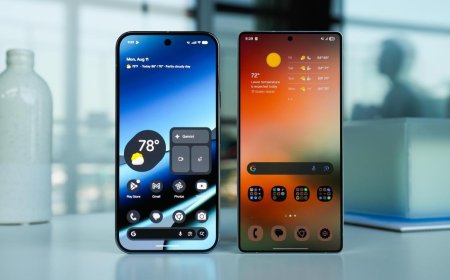
Google has made long-term software support one of the strongest arguments for its newer Pixel phones. The company's current policy gives Pixel 8 and newer models seven years of operating-system and security updates, with Pixel Drops and other feature updates potentially included during that period. That policy covers the Pixel 11 Pro and Pixel 11 Pro XL as well as the Pixel 10 family. For someone planning to keep an Android phone for five or six years, that long support window removes one of the traditional reasons for replacing a Pixel early.
The Pixel approach is particularly interesting because Google's software and AI features are central to the experience. A newer Pixel can therefore continue gaining useful software capabilities during its supported lifetime rather than simply receiving security patches. The trade-off is that long-term ownership still depends on battery condition and hardware performance as future Android versions and increasingly demanding AI features arrive.
Samsung Galaxy S26 Series: Flagship Hardware With a Long Lifespan
Samsung has also turned long-term support into a major selling point for its flagship phones. The Galaxy S26, S26+ and S26 Ultra are eligible for seven generations of Android OS upgrades and seven years of security updates, taking the supported lifespan well into the next decade. Samsung's One UI software layer also receives regular updates between major Android releases.
For long-term buyers, the Galaxy S26 family has another advantage: hardware variety. The S26 Ultra, for example, combines a high-end processor with a large display, substantial camera hardware and a feature-rich software environment. That gives it enough headroom for demanding applications today while the seven-year update commitment provides a clear support horizon. The larger question for owners will eventually be battery health rather than whether Samsung is still providing security patches.
iPhone Remains a Strong Long-Term Platform
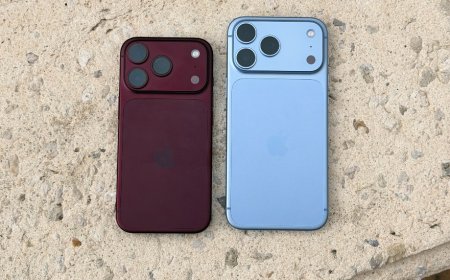
Apple approaches longevity differently. The company does not market a simple seven-year update guarantee in the same way Google and Samsung do, but Apple's history of supporting older iPhones for many years has made long software lifespans a familiar part of the iPhone ecosystem. Apple continues to distinguish major operating-system upgrades from smaller security and maintenance updates, and older devices can eventually lose access to newer versions when their hardware no longer meets the requirements.
That makes a current-generation iPhone a sensible consideration for someone planning to keep a device for years, particularly because Apple's control over the processor, operating system and hardware allows the company to optimize iOS for its supported devices. However, long-term ownership does not mean every new software feature will necessarily appear on every supported iPhone. As AI and other hardware-dependent features become more demanding, some capabilities can remain limited to newer models even when an older phone continues receiving the main operating-system update.
Fairphone Takes a Different Approach to Longevity
Fairphone is perhaps the most unusual option in this group because its longevity strategy is not based solely on software. The Fairphone Gen. 6 family is designed to be repairable, allowing components such as the battery and display to be replaced rather than requiring the entire phone to be discarded when a single part wears out. Fairphone has also committed to a long software-support period, giving the device a potential lifespan that extends well beyond the typical smartphone replacement cycle.
That approach highlights an important point about keeping a phone for a long time: software support is only useful if the physical device remains practical to maintain. A replaceable battery can be more valuable to a five- or six-year owner than a slightly faster processor or a higher-resolution camera. Fairphone's hardware is not designed to compete directly with the most powerful flagship phones, but its repairability gives it a different kind of advantage.
What Should You Look for in a Phone You Plan to Keep for 5–7 Years?
The safest strategy is to buy a phone with more hardware capability than you immediately need and a clearly documented update policy. A modern flagship processor, at least enough RAM and storage for several years of applications, a good-quality display, strong battery capacity and a manufacturer with a dependable security-update record all matter. Storage deserves particular attention because it is one of the few major smartphone components that cannot normally be upgraded later.
Battery health is the other unavoidable issue. Even if a manufacturer promises seven years of software updates, the original battery will naturally lose capacity over time. This means a phone with an accessible battery replacement program or a manufacturer with reliable service support can have a practical lifespan beyond what its specification sheet suggests.
The Best Long-Term Phone Is Not Necessarily the Most Expensive
The biggest change in 2026 is that buyers no longer have to treat three years as the natural lifespan of an Android flagship. Google's seven-year Pixel policy and Samsung's seven-year flagship commitment have pushed the industry toward longer software support, while Apple continues its long-running approach to iPhone updates and Fairphone demonstrates how repairability can extend a device's useful life.
For someone planning to keep a phone for many years, the smarter question is therefore not simply which phone has the fastest chip or the most cameras. It is whether the device has enough performance for future software, enough storage for future applications, a battery that can realistically be maintained, and official support that will still be there several years after the purchase. Those factors are what turn a new smartphone into a genuinely long-term device.
What's Your Reaction?
 Like
0
Like
0
 Dislike
0
Dislike
0
 Love
0
Love
0
 Funny
0
Funny
0
 Angry
0
Angry
0
 Sad
0
Sad
0
 Wow
0
Wow
0