







































Apple HomePod mini 2 Launches With Siri AI, New Colors and Better Sound
Apple has unveiled the HomePod mini 2, its next-generation smart speaker featuring future Siri AI support, five color options, enhanced computational audio and new home theater capabilities. Priced at $149 in the US, the speaker is available for preorder ahead of its October 30, 2026, launch. However, Siri AI will arrive through a future software update, meaning some of the biggest changes will not be available immediately.
Apple HomePod mini 2 Arrives With Siri AI, Five Colors and Enhanced Audio
Apple has finally introduced the HomePod mini 2, bringing a new generation of its compact smart speaker to the company's growing smart home ecosystem. Announced on October 13, 2026, the updated speaker combines a new processor, enhanced computational audio, colorful lighting effects and planned support for Apple's more conversational Siri AI.
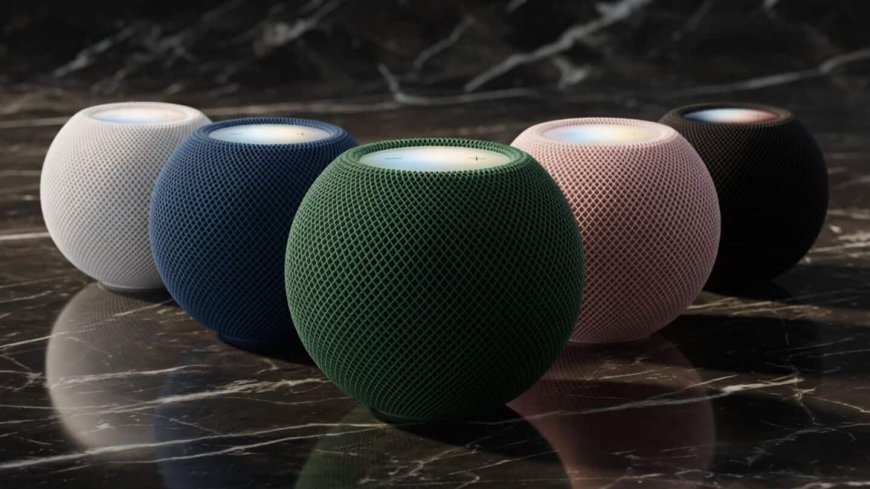
The new model costs $149 in the United States, with preorders opening on announcement day and general availability scheduled for October 30. It comes in pink, green, blue, white and midnight, giving buyers five color options for different home setups.
But the most important detail is not the new color palette. Apple is preparing the HomePod mini 2 for a more capable voice assistant that can understand personal context, answer a broader range of questions and offer richer music discovery. That functionality will arrive in a future software update, so buyers should not expect every advertised AI capability to be available from day one.
HomePod mini 2: What's New?
The original HomePod mini launched in 2020, giving Apple users a relatively small speaker for music, Siri commands and smart home control. The second-generation model builds on that idea while expanding its role in Apple's connected-home experience.
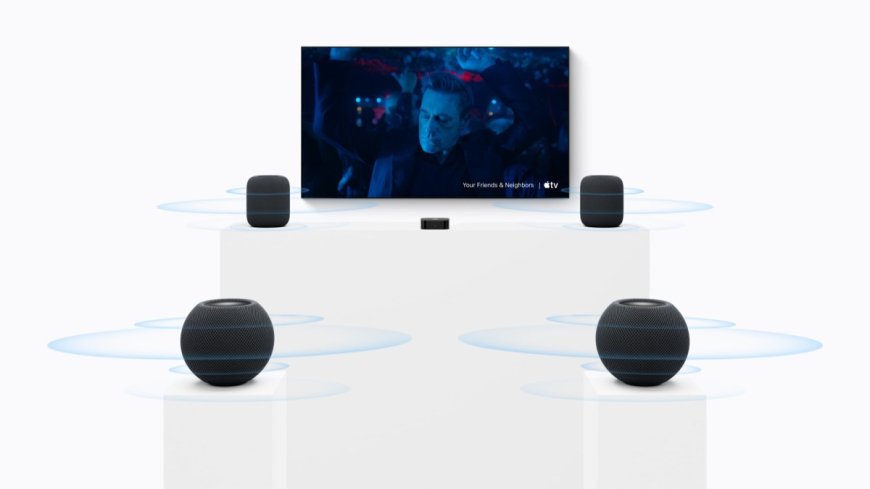
Apple highlights three main areas of improvement: Siri AI support, enhanced audio processing and new ways to interact with music. The speaker can also work with Apple's newly announced Apple TV 4K to create a four-speaker surround-sound setup.
Rather than replacing the compact design with a completely different device, Apple is keeping the HomePod mini's familiar form factor. That makes the new model an incremental hardware update with a broader software vision: a speaker that can serve as both a music device and a more capable voice-controlled home assistant.
Siri AI Is the Biggest Upcoming Upgrade
Siri AI is arguably the most important feature planned for the HomePod mini 2. Apple says the updated assistant will offer a more natural, conversational experience, with improved understanding of personal context and broader world knowledge.
For everyday users, that could make voice interactions more useful than simply asking for a song, setting a timer or controlling a connected light. Improved music discovery, more contextual requests and access to additional app capabilities are among the experiences Apple describes for the new Siri.
Imagine asking for music that matches a particular mood or making a request that depends on the context of an earlier conversation. A more capable assistant could make those interactions feel less like issuing separate commands and more like having a continuing conversation.
However, there is an important limitation: Siri AI is not available at launch and will require a future software update. Apple also says the feature requires pairing the HomePod mini 2 with an Apple Intelligence-enabled iPhone or iPad. Its availability therefore depends on compatible hardware, software and supported regions.
Apple's initial English-language rollout is planned for the United States, Australia, Canada, India, New Zealand, Singapore, South Africa and the United Kingdom. Bangladesh is not included in that initial list, so local buyers should check Apple's regional support information before purchasing specifically for the new AI features.
New S10 Chip Focuses on Audio Processing
The HomePod mini 2 introduces Apple's S10 chip, replacing the S5 processor used in the original HomePod mini. Apple says the new hardware supports advanced computational audio that can optimize dynamic range, loudness and acoustic performance in real time.
Computational audio is an important part of how compact speakers deliver sound. Software can process audio signals and adjust playback behavior to make better use of the speaker's physical design and available hardware.
That does not automatically mean the HomePod mini 2 will outperform every competing speaker. Real-world sound quality also depends on speaker drivers, enclosure design, room acoustics, volume and the type of music being played.
Apple is positioning the new model around a richer listening experience, but buyers should distinguish the company's audio claims from independent listening tests. Detailed measurements and side-by-side testing will be needed to establish exactly how much the new model improves on the original.
Sound Glow Adds Colorful Music Visuals
One of the HomePod mini 2's more distinctive additions is Sound Glow, a feature that turns the speaker's illuminated top into a visual companion for music.
According to Apple, the lighting effects can respond to musical elements such as bass and treble, while drawing colors from the artwork associated with the song. The result is a small visual display that changes as the music plays.
It is not a replacement for better speakers or a feature that changes the recording itself. Instead, Sound Glow adds another layer to the listening experience, particularly for people who keep the speaker in a bedroom, living room or entertainment area.
The feature also gives the HomePod mini 2 a more recognizable identity without requiring Apple to abandon its familiar spherical design.
Four HomePod mini 2 Speakers Can Create Surround Sound
Apple is also expanding the speaker's role in home entertainment. When paired with the new Apple TV 4K, the HomePod mini 2 supports a four-speaker surround-sound configuration.
This could be appealing to people who want a more immersive television experience without building a traditional home theater system around a receiver and multiple separate speakers.
The arrangement is particularly relevant for existing Apple households, where an Apple TV can serve as the center of the entertainment setup. Instead of using the HomePod mini only for background music or voice commands, owners can integrate it into a larger audio environment.
Apple says the system can account for speaker positions in the room and calibrate audio levels accordingly. Nevertheless, buyers should check the required software, device compatibility and setup instructions before investing in multiple speakers.
The new model also supports stereo pairing and multiroom audio, allowing users to listen in different rooms or build a more coordinated home audio setup.
HomePod mini 2 Price and Release Date
Apple has announced a US starting price of $149 for the HomePod mini 2. Preorders opened on October 13, 2026, and the company has scheduled availability to begin on October 30.
The new price is higher than the original HomePod mini's $99 launch price in 2020. The original model's more recent US price was $129, making the new generation a $20 increase over that figure.
For prospective buyers, the value question will depend on how much they expect to use the new capabilities. Those who primarily want a compact speaker for music playback and basic smart home commands may find an older model sufficient if it is available at a substantial discount.
Buyers who want the latest hardware and plan to use Siri AI, Sound Glow or the new Apple TV surround-sound configuration may have stronger reasons to consider the second generation. Still, it makes sense to weigh the price against the features that will actually be available at purchase.
Apple has not confirmed a Bangladesh launch date or an official local retail price in the announcement. The US price should not be treated as the final cost in Bangladesh, where import expenses, taxes, exchange rates and retailer pricing may affect availability.
Five Colors Give Buyers More Choice
The HomePod mini 2 will be available in pink, green, blue, white and midnight. The selection offers a mix of bright finishes and more understated options.
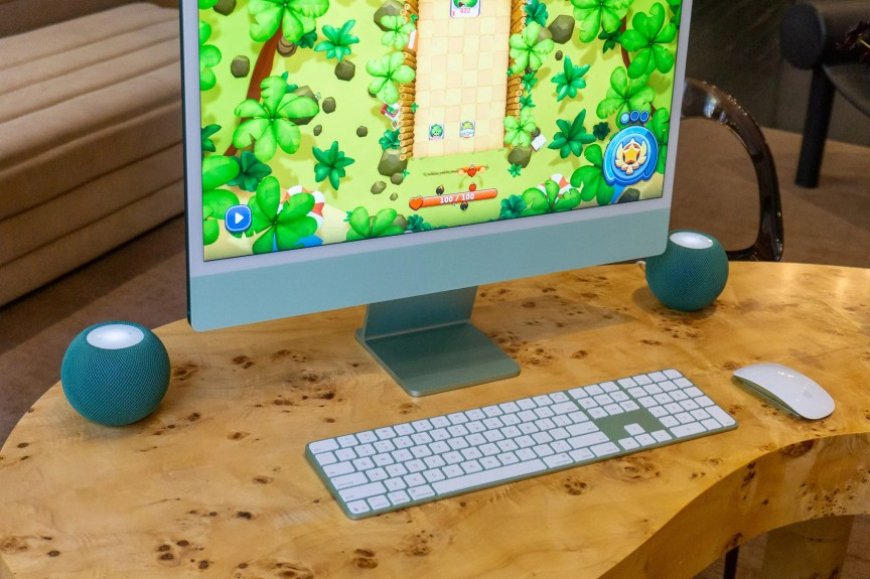
The familiar compact design remains central to the product. Its small footprint allows it to fit on a desk, shelf, bedside table or kitchen counter without taking up the space required by larger home audio equipment.
Color choice is mostly a matter of preference, but it can also help the speaker blend into a room or match other devices. For buyers who already use Apple products, the new finishes offer another way to coordinate the speaker with a home office or entertainment area.
The updated color range is a visible change, although it is unlikely to be the primary reason most existing owners should upgrade.
HomePod mini 2 vs Original HomePod mini
The second-generation model retains the original product's core purpose while introducing new hardware and planned software capabilities.
| Feature | HomePod mini 2 | Original HomePod mini |
|---|---|---|
| Processor | Apple S10 | Apple S5 |
| Siri AI | Planned through a future update | Not announced for this model |
| Colors | Pink, green, blue, white, midnight | Original color selection |
| Audio | Enhanced computational audio | Computational audio |
| Sound Glow | Supported | Not announced |
| Four-speaker surround sound with new Apple TV 4K | Supported | Not announced for this setup |
| US price at launch | $149 | $99 in 2020 |
The biggest distinction is the combination of newer processing hardware, expanded audio features and planned AI capabilities. However, the original HomePod mini remains a practical option for people who already own one and mainly use it for everyday listening or smart home control.
Existing owners should also verify compatibility before assuming they can combine the two generations in every configuration. Apple has not established that every new audio feature will work identically across mixed-generation speaker setups.
What the New Speaker Means for Apple's Smart Home Strategy
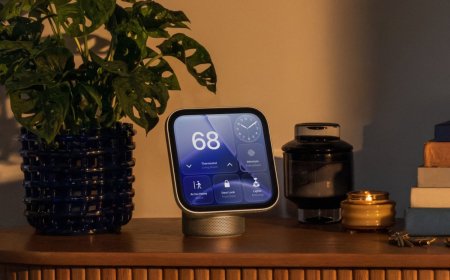
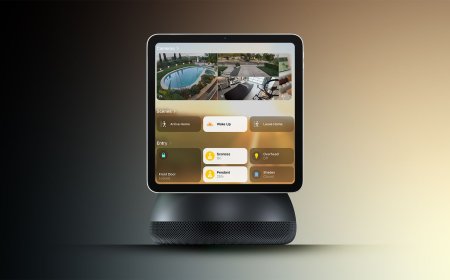
The HomePod mini 2 is arriving as Apple expands its wider smart home lineup, including the new HomeView device and Apple TV 4K. Together, these products suggest a stronger focus on making Apple's home ecosystem more useful through voice interaction, entertainment and connected-device control.
The competitive challenge is significant. Amazon and Google have spent years building smart speakers and voice assistants, while Apple's approach has placed particular emphasis on its own hardware, software integration and privacy-focused ecosystem.
A more capable Siri could make Apple's smart home products more useful to people who already own compatible iPhones, iPads and Apple TVs. But the success of that strategy will depend on how well the assistant performs in daily use, how quickly new features arrive and how broadly they are supported.
The HomePod mini 2 therefore represents more than a cosmetic refresh. It is part of Apple's effort to make the smart speaker a more central part of the connected home. Whether the upgrade justifies its higher price will become clearer as Siri AI rolls out and independent testing evaluates the speaker's audio performance.
Should You Buy the Apple HomePod mini 2?
The HomePod mini 2 looks most appealing to people who want a compact Apple smart speaker and intend to use it as part of a broader home setup. Its updated processor, Sound Glow lighting and planned Siri AI features give it more to offer than a simple music speaker.
For current HomePod mini owners, an immediate upgrade may be harder to justify. If the existing speaker already handles music, timers and smart home commands well, waiting for Siri AI to arrive and for independent comparisons to become available could be the more sensible choice.
Potential buyers outside Apple's initially supported Siri AI regions should be especially careful. The hardware may still be useful for supported audio and smart home functions, but the availability of advanced AI features could affect the value of the purchase.
Ultimately, the HomePod mini 2's appeal will depend on the balance between sound quality, software support, ecosystem compatibility and price. The new colors make it more visually flexible, but the long-term value will rest on whether Apple's promised intelligence and audio improvements deliver a noticeably better everyday experience.
Sources
- Apple Newsroom — Apple announces the next generation of HomePod mini
- MacRumors — Apple Announces $149 HomePod Mini 2 With Siri AI, Sound Glow, and Four-Speaker Surround Sound
- The Verge — Apple announces the HomePod Mini 2, but it isn't ready for Siri AI at launch
- 9to5Mac — Apple announces HomePod mini 2: Siri AI, new colors, Sound Glow, more
What's Your Reaction?
 Like
0
Like
0
 Dislike
0
Dislike
0
 Love
0
Love
0
 Funny
0
Funny
0
 Angry
0
Angry
0
 Sad
0
Sad
0
 Wow
0
Wow
0