














































Meta Bans TikTok Ads on Facebook and Instagram in the US
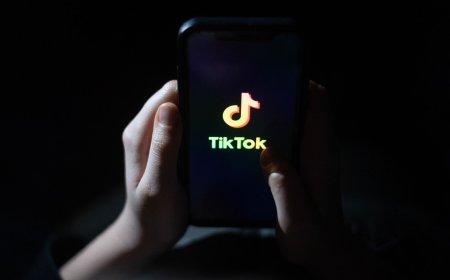
Meta has banned TikTok owner ByteDance and related third-party advertisements from Facebook and Instagram in the United States and six other countries. The immediate restriction escalates the competition between Meta and TikTok for users, creators and advertising revenue, while adding a new dimension to their ongoing dispute over social media safety and platform competition.
Meta Blocks TikTok Ads on Facebook and Instagram as Rivalry Intensifies
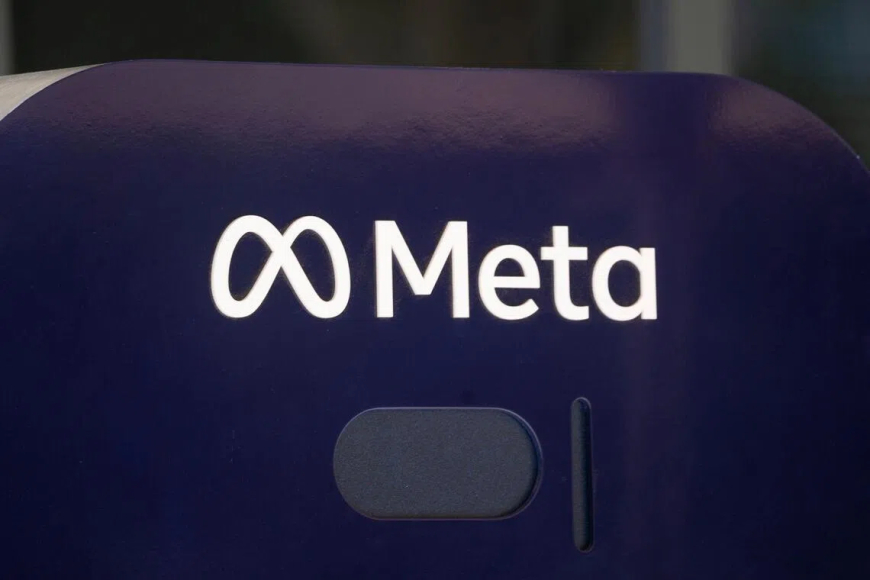
Meta has drawn a new line in its competition with TikTok, banning advertisements from the short-video platform's parent company, ByteDance, across Facebook and Instagram in the United States and six other countries. The restriction took effect immediately on October 8, 2026, and also covers third-party advertising campaigns that direct users to TikTok and other ByteDance-owned services in the affected markets.
The decision puts a commercial barrier between two of the world's most influential social media businesses. Meta and TikTok compete for the same things: users' attention, creators' content, brand advertising budgets and the time people spend scrolling through short-form videos. By refusing to sell advertising space to a direct competitor, Meta is turning that rivalry into a more explicit platform policy.
According to Reuters, the restriction applies in the United States, Canada, Egypt, Indonesia, Japan, Thailand and Vietnam. Meta says it is a standard business decision not to provide promotional services to a competitor that wants to draw users away from its own platforms.
Why Meta Is Blocking TikTok Advertising
Meta's explanation is straightforward: it does not believe it should help a competing service attract users away from Facebook and Instagram. A company spokesperson said Meta would continue competing through product quality and user experience rather than promoting a rival.
The policy is significant because advertising on major social platforms is not simply about displaying a banner or video. Paid campaigns can help an app attract new users, bring existing users back and introduce its services to audiences who may never have searched for it independently. Losing access to a major advertising channel can therefore affect how a business promotes itself, even if it does not prevent the service from operating.
The restriction also reaches beyond advertisements purchased directly by ByteDance. Third-party advertisers running campaigns that link to TikTok or other ByteDance properties are covered in the affected countries. That detail matters for agencies, app marketers and businesses that might otherwise promote a TikTok destination through their own advertising accounts.
Meta has not announced that TikTok itself will disappear from Facebook or Instagram. The reported action concerns paid advertising and promotion, rather than a general ban on users discussing TikTok or sharing ordinary content about it.
Seven Countries Face the New Advertising Restriction
The policy is not limited to the American market. Meta has extended the restriction to six additional countries, spanning North America, Asia and Africa.
The United States is particularly important because it remains one of TikTok's largest markets. Canada and Japan are also significant digital advertising markets, while Indonesia, Thailand and Vietnam have substantial social media audiences. Egypt adds another market in which the restriction will apply.
For advertisers, the immediate practical question is whether existing campaigns direct users to affected ByteDance services. Businesses and agencies may need to review their campaigns, landing pages and advertising plans to understand how the policy applies to their activities.
The ban does not automatically mean that all marketing activity involving TikTok stops in these countries. Brands may still have other ways to reach audiences, subject to each platform's rules and applicable laws. The change specifically concerns advertising services provided through Meta's platforms.
Meta and TikTok Are Fighting for More Than Views
The rivalry between Meta and TikTok has grown as short-form video has become a central part of online entertainment and advertising. TikTok's recommendation system helps users discover videos from creators they may not already follow, while Instagram Reels and Facebook's video products compete for much of the same viewing time.
That competition has consequences for the advertising business. Marketers want access to audiences who are likely to watch, engage with or purchase from their campaigns. When two platforms compete for the same budgets, each has an incentive to make its own advertising tools attractive while protecting its user base from being diverted elsewhere.
Meta's decision highlights a broader issue in the digital economy: major platforms can act as both competitors and gatekeepers. They operate services that businesses rely on to reach customers, but they also set the rules determining which campaigns they will accept.
The restriction may encourage marketers to diversify their advertising plans rather than depend too heavily on a single platform. However, its actual effect on advertising costs, user growth and campaign performance remains uncertain. Those outcomes will depend on how advertisers respond and whether the restriction remains in place.
The Dispute Also Connects to Teen Safety
The advertising ban comes amid a wider disagreement over how social media companies should address risks affecting younger users.
Meta has recently pushed TikTok and Google's YouTube to adopt measures similar to changes it agreed to introduce for younger users on Facebook and Instagram following a settlement with US states over alleged harms to children. The changes Meta agreed to include daily usage limits, nighttime restrictions and stronger measures intended to prevent children from accessing age-restricted content.
TikTok has faced its own legal pressure. Reuters reported that the company reached a settlement with Alabama in September requiring usage limits and stronger age-verification measures. These developments are part of a broader debate about the responsibilities of social media platforms toward young users.
The timing adds another layer to the competition between Meta and TikTok, but the advertising restriction should not be confused with a government-imposed ban. Meta has described its decision as a business policy, and the available reporting does not establish that the new restriction was ordered by regulators.
What This Means for Advertisers and Users
For advertisers, the immediate priority is to understand whether campaigns involving TikTok or other ByteDance services are affected in the seven listed countries. Agencies managing campaigns for multiple clients may need to check destinations and revise plans where necessary.
For users, the decision does not itself prevent them from opening TikTok or watching videos on the service. It changes where ByteDance-related advertising can be purchased, rather than announcing a general shutdown of TikTok on Meta's platforms.
The wider impact will depend on how the companies respond. TikTok and ByteDance had not immediately responded to Reuters' requests for comment when the report was published. Meta, meanwhile, says it will continue competing on product quality and user experience.
A New Chapter in the Social Media Advertising Battle
Meta's decision makes the competition between Facebook, Instagram and TikTok more direct. By cutting off paid promotion for its rival and related services across seven markets, Meta is protecting its own advertising ecosystem while adding pressure to an already intense contest for users and marketing budgets.
The move also raises questions about how much control large platforms should have over the advertising channels available to competing services. For now, the confirmed change is a restriction on ByteDance-related advertising—not a ban on TikTok's general availability in the affected countries.
Advertisers will be watching how the policy is enforced, while the broader industry will be looking for signs of whether other platforms adopt similar restrictions. Any lasting effect on competition, marketing costs or audience growth will become clearer only as the policy plays out.
Sources
What's Your Reaction?
 Like
0
Like
0
 Dislike
0
Dislike
0
 Love
0
Love
0
 Funny
0
Funny
0
 Angry
0
Angry
0
 Sad
0
Sad
0
 Wow
0
Wow
0