



















































Huawei Sense G1 Brings Medical-Grade Glucose Tracking to the Arm
Huawei has unveiled the Sense G1, its first continuous glucose monitor: a small arm-worn sensor that tracks blood sugar around the clock for up to 16 days. China's drug regulator has registered it as a Class III medical device, the country's strictest category. Huawei has not yet announced a price or a sale date.
Huawei Sense G1 Brings Medical-Grade Glucose Tracking to the Arm
Huawei has entered the continuous glucose monitoring market with the Sense G1, its first device of this kind. The company introduced the sensor in a post on the Chinese social network Weibo on 13 November 2026, and the announcement carries more weight than a typical wearable launch: China's drug regulator has already registered the Sense G1 as a Class III medical device, the strictest of the country's three risk categories.
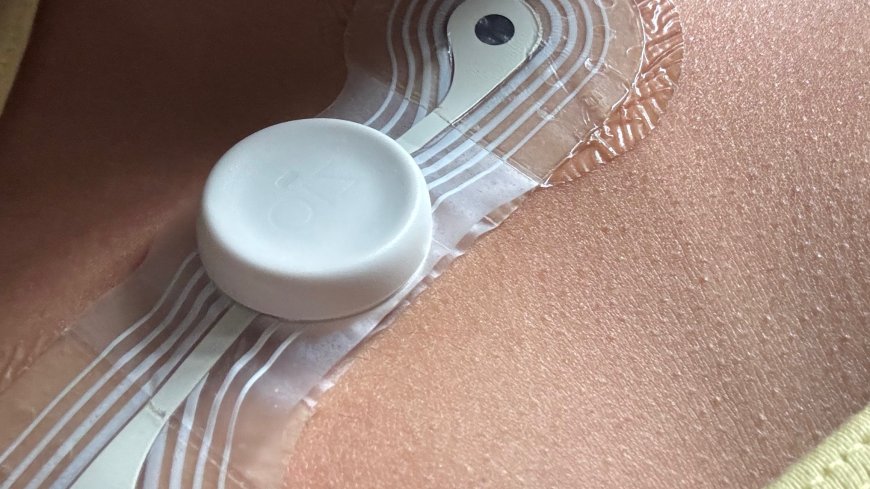
The Sense G1 is a small, round sensor worn on the upper arm. It reads glucose levels day and night, sends the results to a phone, a Huawei smartwatch or a fitness band, and can alert the wearer when readings move outside a target range. There is no finger pricking involved. A single sensor lasts up to 16 days, needs no calibration, and is intended for one user.
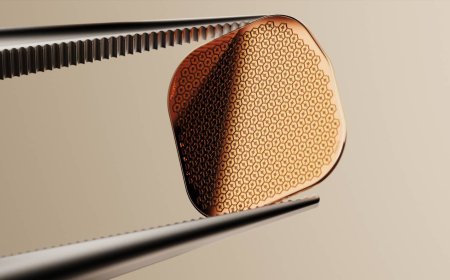
The featured image shows a continuous glucose monitor sensor of this type worn on the upper arm; it is a representative photo, as Huawei has not released a full set of official Sense G1 product images.
How the sensor works
Like other continuous glucose monitors, the Sense G1 does not measure glucose directly from blood. A tiny needle sits beneath the skin and samples the fluid surrounding the body's cells. The sensor uses glucose oxidase and electrodes to measure glucose in that fluid and convert the results into blood sugar readings.
That design is what sets the Sense G1 apart from Huawei's existing health wearables. The company's smartwatches can already assess diabetes risk, and its TruSense health monitoring system, introduced in 2024, tracks a range of vital signs. But no Huawei watch can measure glucose itself. The Sense G1 closes that gap, and it does so as a dedicated medical sensor rather than a smartwatch feature.
A Class III registration, the strictest tier
The Sense G1's medical credentials are the heart of the story. China's National Medical Products Administration registered the device as a Class III medical device, under certificate number 国械注准20263072228, with the approval dated 30 October 2026. Class III is the highest risk category in China's system, the same tier that covers products such as cardiac stents and artificial joints.
It is the first Class III medical device from Huawei's consumer hardware business. For comparison, Huawei's Watch D blood pressure monitoring smartwatches were registered under the lower Class II category. The Sense G1 therefore marks a step up in how seriously Huawei's health hardware is treated by regulators, and it puts the company in competition with clinical-grade monitors rather than just other consumer wearables.
Accuracy figures are reported, not confirmed
Two performance figures are circulating, and both need care. Reports in Chinese media, citing a tipster, put the Sense G1's mean absolute relative difference, or MARD, below 10 percent. MARD measures how closely a monitor's readings match laboratory reference measurements, so a lower figure means better accuracy. The same reports say readings can lag behind actual blood sugar levels by around 5 to 15 minutes, which is normal for sensors that read interstitial fluid rather than blood.
Huawei itself has not published either figure, so both should be treated as reports rather than confirmed specifications. The company has also said nothing yet about water resistance or battery behaviour beyond the 16-day sensor life.
Three years in the making
The Sense G1 has been a long project by Huawei's own account. Li Xiaolong, chief technology officer of Huawei's Terminal business group, says it has been the longest development project his team has undertaken. He first wore a test version himself in December 2023, which puts the development and testing period at roughly 35 months before the public announcement.
That timeline helps explain why Huawei chose to announce the product even though the commercial details are not ready. The device exists, it is certified, and the company is showing it before it is ready to sell.
Price, sale date and availability still unknown
Huawei has not said how much the Sense G1 will cost or when it will go on sale. The company could share more at an event later in November, where it is also expected to introduce the Mate X8 foldable phone, reported to be launching on 24 November.
For now, the Sense G1 is a China-only story. The sensor works within Huawei's own ecosystem, sending readings to Huawei phones, watches and bands running HarmonyOS, so a global launch would not be straightforward. Huawei has not announced any certification outside China, such as CE marking in Europe, or any launch date beyond its home market. Apple and Samsung watches, often named as rivals in this space, still offer no glucose monitoring of their own, which leaves Huawei first to market with a dedicated sensor among the big consumer brands.
Why it matters
Continuous glucose monitoring has long been a medical market dominated by specialist firms. A consumer electronics company entering it with a Class III certified device changes the shape of that market, particularly in China, where diabetes affects a large share of the population. Whether the Sense G1 reaches a wide audience will depend on the price Huawei eventually sets and on whether it can sell a medical device through consumer channels. The certification, at least, is already in hand.
Sources
- GizmoChina — Huawei announces Sense G1 as company's first continuous glucose monitor
- PhoneArena — Huawei beats Galaxy and Apple watches to the punch with its first continuous glucose monitor
- Android Authority — HUAWEI reveals its first continuous glucose monitor
- Tech Prolonged — Huawei Sense G1 is its first glucose sensor, with China's top medical approval
What's Your Reaction?
 Like
0
 Dislike
0
 Love
0
 Funny
0
 Angry
0
 Sad
0
 Wow
0