





















Nvidia Unveils Record $150 Billion Buyback as AI Chip Competition Tests Its Stock
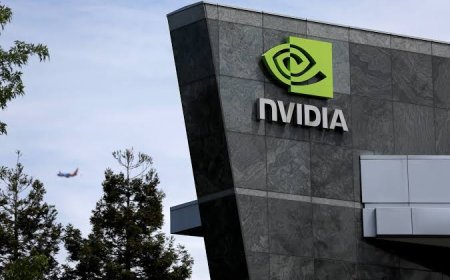
Nvidia has announced its largest-ever share buyback authorization, adding $150 billion to its existing program and taking its total repurchase capacity to $235 billion. The move comes as Nvidia faces intensifying competition from AMD, Intel and custom AI chips developed by major technology companies, while investors question how long the extraordinary AI infrastructure spending boom can continue.

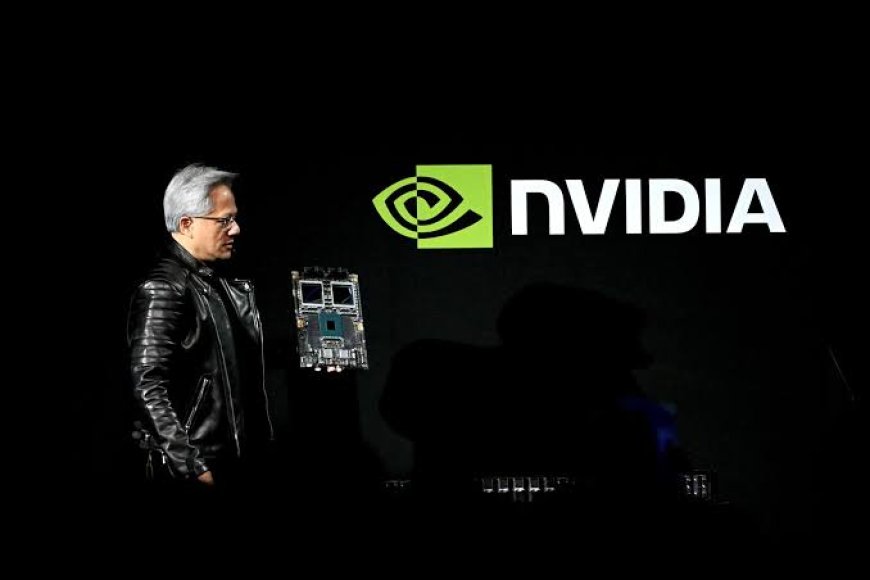
Nvidia Makes a Massive Bet on Its Own Stock
Nvidia has authorized an additional $150 billion in share buybacks, making it the largest buyback authorization in the company's history and surpassing Apple's $110 billion authorization from 2024. The new approval brings Nvidia's total remaining share-repurchase capacity to $235 billion, which the company expects to use through its fiscal year ending January 2028. Nvidia shares initially rose more than 2% following the announcement as investors reacted to the scale of the program and the company's confidence in its future cash generation.
Why Is Nvidia Buying Back So Much Stock?
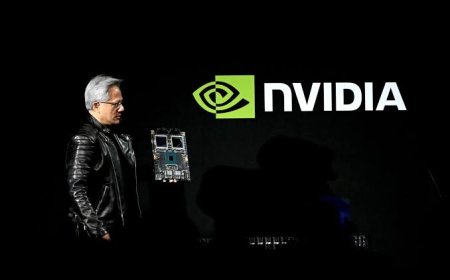
Share buybacks allow a company to use its cash to purchase its own shares from the market. When shares are retired, the number of outstanding shares falls, which can increase earnings per share and potentially provide support for the stock. For Nvidia, the move comes after several years of extraordinary growth driven by demand for GPUs used in AI data centers. CEO Jensen Huang said the company's cash generation gives it enough capacity to continue investing in new technologies while also returning capital to shareholders.
AI Competition Is Changing the Stock Story
Nvidia remains one of the most important suppliers of AI computing hardware, but competition around the industry is becoming increasingly intense. AMD and Intel are developing competing processors, while major Nvidia customers such as Alphabet and Amazon are investing in their own custom AI chips. At the same time, investors are questioning whether the enormous spending on AI infrastructure can continue at its current pace indefinitely. Reuters reported that Nvidia's shares had gained just over 20% through Friday in 2026, compared with much larger gains for AMD and Intel during the same period.
Nvidia Still Has Enormous AI Demand Behind It
The stock's relative performance does not necessarily mean Nvidia's underlying AI business has suddenly weakened. The company continues to generate enormous revenue and profits from its data-center business, while demand for advanced processors remains strong. Nvidia reported $59.69 billion in quarterly profit in its latest reported quarter, according to the Associated Press. The company has also forecast roughly 70% revenue growth for fiscal 2028, suggesting that management still expects substantial demand for AI infrastructure in the years ahead.
Investors Are Watching Valuation and AI Spending
Another important part of the story is Nvidia's valuation. Reuters reported that the stock was trading at roughly 16.5 times forward earnings, its lowest level on that measure since January 2015 and below its 15-year average of about 30 times. That reflects a market that is becoming more cautious about how quickly Nvidia's earnings can continue expanding after years of extraordinary growth. The question for investors is increasingly shifting from whether AI demand exists to how sustainable the current scale of AI investment will be.
A Record Buyback at a Turning Point for AI
Nvidia's $150 billion authorization is therefore more than just a headline-making corporate action. It comes at a moment when the AI chip market is becoming more competitive and investors are looking beyond Nvidia's spectacular past growth toward the next phase of the AI infrastructure cycle. Nvidia ended its July quarter with $22.44 billion in cash and cash equivalents, giving it substantial financial resources to simultaneously fund research, infrastructure and shareholder returns.
The announcement shows that Nvidia's management remains confident about the long-term AI opportunity, but the stock market is also sending a different signal: expectations are much higher now than they were before the AI boom. As competition increases and companies debate the sustainability of massive AI spending, Nvidia's ability to keep growing while maintaining its technological lead will remain one of the biggest stories in the global semiconductor industry.
What's Your Reaction?
 Like
0
Like
0
 Dislike
0
Dislike
0
 Love
0
Love
0
 Funny
0
Funny
0
 Angry
0
Angry
0
 Sad
0
Sad
0
 Wow
0
Wow
0