



















Warren Buffett Finally Steps Away From Berkshire’s Top Chair After 56 Years
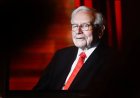
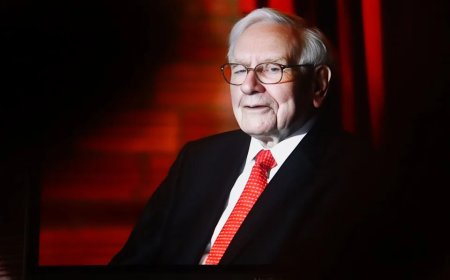
Warren Buffett has stepped down as chairman of Berkshire Hathaway after holding the position since 1970, completing another major stage of the company’s carefully planned succession. Buffett is now chairman emeritus and remains on Berkshire’s board, while his son Howard Buffett becomes chairman and Greg Abel continues as CEO.

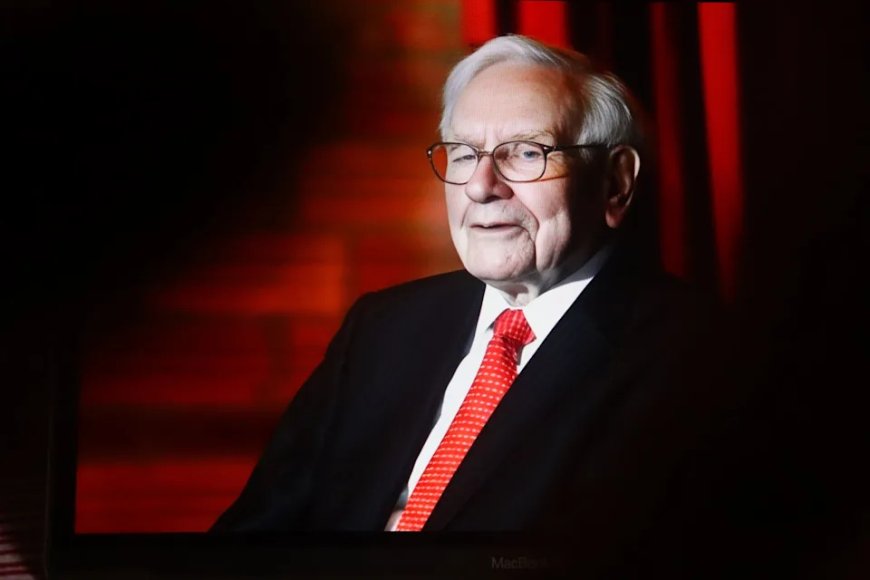
The Man Who Became Almost Synonymous With Berkshire Is Giving Up the Chair
For more than half a century, the name Warren Buffett and the name Berkshire Hathaway have been almost impossible to separate. Now, one of the longest-running chapters in modern American business has officially come to an end. Berkshire Hathaway announced on September 18 that Buffett has stepped down as chairman of the company, ending a tenure that began in 1970. He will become chairman emeritus immediately and will remain a member of Berkshire’s board, meaning he is not disappearing from the company completely. Instead, the 96-year-old investor is moving further away from day-to-day leadership while leaving the company he transformed in the hands of the next generation.
Buffett's departure from the chairman's office comes only nine months after he handed the CEO position to longtime Berkshire executive Greg Abel. Abel became CEO at the beginning of 2026, while Buffett remained chairman during the transition. Now the second half of that succession has happened: Abel runs the company, while Howard Buffett, Warren's son and a Berkshire director since 1993, takes over as chairman. Berkshire says Howard's main responsibility will be protecting the company's culture and values rather than managing its businesses on a daily basis.
From a Struggling Textile Company to a $1 Trillion Empire
The scale of what Buffett built is difficult to put into a single number. When Buffett took control of Berkshire in 1965, it was a struggling textile business. Over the following decades, he turned it into a sprawling conglomerate with businesses ranging from GEICO insurance and BNSF Railway to energy, manufacturing, retail and consumer brands. Berkshire is now worth roughly $1 trillion and has become one of the most closely watched companies in the world.
The numbers behind Buffett's Berkshire record are equally remarkable. Berkshire has reported a compounded annual gain of around 19.7% since 1965, compared with roughly 10% for the S&P 500 over the comparable period. That long-term record helped turn Buffett into much more than a successful businessman. For generations of investors, he became a reference point for how to think about companies, money and patience. His annual shareholder meetings in Omaha became almost a pilgrimage for investors who wanted to hear him discuss everything from business strategy to market psychology.
“Father Time Always Wins”
Buffett himself appeared to view Friday's change with characteristic simplicity. In his letter to shareholders, he wrote, “Father Time always wins. He has, however, been generous with me.” He also expressed confidence about what comes next for Berkshire, saying he is more confident than ever about the company's future.
There is something unusually personal about this transition. Buffett has been associated with Berkshire for more than six decades, and generations of shareholders have grown accustomed to seeing him at the center of the company. Even after stepping down as CEO, he remained chairman. Now, with that final executive leadership position gone, Berkshire is entering a period where its future will increasingly be judged by the people Buffett selected to carry it forward.
Greg Abel Runs the Business. Howard Buffett Guards the Culture.
The new structure is relatively clear. Greg Abel is the CEO, responsible for running Berkshire's operations and making the major business decisions. Howard Buffett becomes chairman, with a role centered largely on preserving the culture that Warren Buffett built. Susan Decker remains Berkshire's lead independent director. Warren Buffett stays on the board as chairman emeritus and will continue providing his judgment and perspective.
That distinction matters because Berkshire has never been built like a typical corporation. Buffett famously gave managers considerable independence, allowing businesses within the group to operate without constant interference from headquarters. Howard Buffett has previously described the company's culture in simple terms: keep things straightforward, treat people fairly, respect managers and shareholders, and be honest about bad news. Preserving that philosophy is now part of his new responsibility.
Berkshire Is Entering a New Era With an Enormous Amount of Money to Deploy
The leadership change comes at an interesting financial moment for Berkshire. The company has accumulated an enormous cash position, and it has recently started putting some of that money back to work. In the second quarter, Berkshire's operating profit rose 16% to $12.98 billion, while net income more than doubled to $25.67 billion, although the latter figure includes unrealized gains and losses on investments. The company has also been investing billions in stocks and buying back some of its own shares.
That means the next phase of Berkshire will not simply be about preserving Buffett's legacy. Investors will also be watching what Abel does with the enormous financial resources Buffett leaves behind. One of the biggest questions surrounding the succession is whether Berkshire can continue making large capital-allocation decisions with the same discipline that became a defining part of Buffett's leadership.
Buffett Isn't Really Gone
Perhaps the most important detail is that Warren Buffett has not completely left Berkshire Hathaway. He remains a director, and the company specifically says he will continue offering his judgment and perspective. His formal title changes from chairman to chairman emeritus, but his connection to Berkshire remains.
Still, the symbolism of September 18 is hard to miss. For 56 years, Buffett occupied Berkshire's chairman's seat. He took control when the company was a struggling textile manufacturer and spent decades turning it into one of America's most recognizable business empires. Now the chair belongs to his son, the CEO's office belongs to Greg Abel, and Buffett himself moves into a new role watching from the boardroom rather than leading from the top.
For Berkshire shareholders, the most interesting part of the Buffett era may therefore be what happens after Buffett. His greatest test is no longer how much he can build himself, but whether the culture, discipline and long-term thinking he spent six decades creating can continue without him at the center of it.
What's Your Reaction?
 Like
0
Like
0
 Dislike
0
Dislike
0
 Love
0
Love
0
 Funny
0
Funny
0
 Angry
0
Angry
0
 Sad
0
Sad
0
 Wow
0
Wow
0